Exam 


Incident Reporting: Getting It Right

Test Questions

Instructions: Select answer by clicking on circle to the left of selection. (the circle will turn a color when clicked) When done click on [show results] and follow further directions.

You need to be registered and logged in to take this quiz. Log in or Register


 Back to CE Articles

Exam 


Autism’s Change to Autism Spectrum Disorder


Test Questions

Instructions: Select answer by clicking on circle to the left of selection. (the circle will turn a color when clicked) When done click on [show results] and follow further directions.

You need to be registered and logged in to take this quiz. Log in or Register


 Back to CE Articles

Exam 


LATE Dementia, the Alzheimer Mimic

Test Questions

Instructions: Select answer by clicking on circle to the left of selection. (the circle will turn a color when clicked) When done click on [show results] and follow further directions.

You need to be registered and logged in to take this quiz. Log in or Register


 Back to CE Articles

Exam 


Prebiotic, and Synbiotic Supplements … Huh?

Test Questions

Instructions: Select answer by clicking on circle to the left of selection. (the circle will turn a color when clicked) When done click on [show results] and follow further directions.

You need to be registered and logged in to take this quiz. Log in or Register


 Back to CE Articles


Exam 


A Gut Reaction:

An overview of the gastrointestinal system and what can go wrong with it


Test Questions

Instructions: Select answer by clicking on circle to the left of selection. (the circle will turn a color when clicked) When done click on [show results] and follow further directions.

You need to be registered and logged in to take this quiz. Log in or Register


 Back to CE Articles

Incident Reporting: Getting It Right

Author: Mark Parkinson BsPharm:  President  AFC-CE

Credit Hours 1- Approximate time required: 60 min.

Educational Goal

Show how incident reports are a caregiving tool that leads to easier caregiving.

Educational Objectives

Explain about profession and amateur attitudes about towards incident reports.

Quote state regulations

Show how to effectively fill out and utilize incident reports

Procedure:

Read the course materials.  2. Click on exam portal [Take Exam].  3. If you have not done so yet fill in Register form (username must be the name you want on your CE certificate).  4. Log in  5. Take exam.  6. Click on [Show Results] when done and follow the instructions that appear.  7. A score of 70% or better is considered passing and a Certificate of Completion will be generated for your records.

Disclaimer

   The information presented in this activity is not meant to serve as a guideline for patient management. All procedures, medications, or other courses of diagnosis or treatment discussed or suggested in this article should not be used by care providers without evaluation of their patients’ Doctor. Some conditions and possible contraindications may be of concern. All applicable manufacturers’ product information should be reviewed before use. The author and publisher of this continuing education program have made all reasonable efforts to ensure that all information contained herein is accurate in accordance with the latest available scientific knowledge at the time of acceptance for publication. Nutritional products discussed are not intended for the diagnosis, treatment, cure, or prevention of any disease.



Incident Reporting: Getting It Right

When I first became an adult foster care provider back in the ‘80s, there were few, if any, regulations governing the industry. As I look back, the freedom of less regulation was a mixed blessing. Yes, I enjoyed not being told what to do, but it also left me wide open for conflict. Without regulation, any incident or harmful occurrence would lead to disputes and tension with the county. They became the enemy and I thought it was best to keep them in the dark as much as possible. It was not a very professional attitude, I admit. It closed the door on any help that the county could have given me. It also created a climate where erroneous methods never got addressed. With such an attitude, improvement and innovation got very stifled. How can you improve if you hide and deny every problem that comes along?

Today, regulations are a fact of the industry, but I have learned that is not necessarily a bad thing. Take, for instance, incident reporting. At first glance it appears that you are telling on yourself. Why would you want to send out a report on any problem that you’re having? Won’t that just get you in trouble? That is the common reaction of amateurs and the inexperienced. Professionals, however, view incident reports as just another caregiver tool that helps them identify the root cause of problems. Once identified, practices and systems can be improved, which eliminates the root cause of the problem. In doing so, this will naturally prevent the error from reoccurring in the future. If utilized correctly, incident reports may actually keep you from getting in trouble in the future. It’s a blessing, not a curse.

Whether you love them or hate them, incident reports are required to be filled out by government mandate. If you want to be licensed (and thus make a living) you have to agree to fill them out. If you ignore them or do them incorrectly, you may lose your license.


DHS Administrative Rules Chapter 411 Division 360

Since you are agreeing to follow the administrative rules you might as well know what they say.


411-360-0180 General Practices (15):

  (15) Complete an incident report as described in section:


(A)

  1. TYPES OF INCIDENTS. A foster care provider must complete an incident report for all of the following:
    1. Any allegation of abuse as defined in OAR 411-317-0000.
    2. Death or serious illness, injury, or accident, requiring inpatient or emergency hospitalization.
    3. An individual is away from the home without support beyond the time frames established by their ISP team.
    4. Use of an emergency physical restraint.
    5. Use of a safeguarding intervention or safeguarding equipment.
    6. Unusual incident as defined in OAR 411-317-000
  2. INCIDENT REPORT REQUIREMENTS. An incident report must include all of the following information:
    1. Name of the individual who is the subject of the incident.
    2. Date, time, duration, type, and location of the incident.
    3. Conditions prior to, or leading to, the incident.
    4. Detailed description of the incident, including staff response.
    5. Description of injury, if injury occurred.
    6. Name of staff, including their position title, and witnesses to the incident.
    7. Follow-up to be taken to prevent a recurrence of the incident. The use of any emergency physical restraint must be reviewed by the licensee within two hours of application.
  3. INCIDENT REPORTING TIMELINES.
    1. A foster care provider must place an incident report in the individual's record and provide a copy to the individual's case manager, and as applicable by their legal representative, in accordance with the following timelines:
      1. ABUSE. An incident report documenting abuse must be provided within five business days from the date of the incident.
      2. DEATH, SERIOUS ILLNESS, INJURY, OR ACCIDENT. An incident report documenting a death or a serious illness, injury, or accident, must be provided within five business days from the date of the incident. 
      3. UNAUTHORIZED ABSENCE. An incident report documenting an individual's unauthorized absence must be provided within five business days from the date of the incident. 
      4. EMERGENCY PHYSICAL RESTRAINT. An incident report documenting the use of an emergency physical restraint must be provided within one business day from the date of the incident. 
      5. SAFEGUARDING INTERVENTION AND SAFEGUARDING EQUIPMENT. 
        1. TEMPORARY EMERGENCY SAFETY PLANS. If an individual has a Temporary Emergency Safety Plan, an incident report documenting the use of a safeguarding intervention or safeguarding equipment must be completed in accordance with the requirements outlined in the individual's Temporary Emergency Safety Plan. 
        2. INJURY. An incident report documenting the use of a safeguarding intervention or safeguarding equipment, resulting in an injury, must be provided within one business day from the date of the incident. 
        3. NO INJURY. An incident report documenting the use of a safeguarding intervention or safeguarding equipment, not resulting in an injury, must be provided within five business days from the date of the incident. 
        4. UNUSUAL INCIDENT. An incident report documenting an unusual incident must be provided within five business days.

(B) An individual's case manager or a Department designee (when applicable) must receive complete copies of all incident reports.

(C) A copy of an incident report provided to an individual's legal representative or other service providers must have confidential information about other individuals removed or redacted as required by federal and state privacy laws.

 (D) A copy of an incident report may not be provided to an individual's legal representative when the report is part of an abuse investigation.


Some Notes from the Battle Trenches

It may seem that the rules are cut-and-dried because of the precise language used, but that is not the case. There is a lot of wiggle room on what is applied and how the terms are interpreted. There is even a lot of difference of application between different government officials. It would be wise not to get angry about it. This leads to an “us against them” environment that is not conducive to running a successful business. I’ve always found that establishing a good relationship with those in authority always leads to a greater latitude in permissions to act. It’s all about developing trust. If they don’t trust you, a stricter application of the rules is applied. It’s just that simple and is part of a normal human reaction; try to use that reaction to your advantage. Develop trust with those in authority and your job gets much easier. If you still are having trouble letting go of the “us versus them” mentality, ask yourself this question: Who gets the bigger traffic fine? The jerk who yells at the traffic cop and judge? Or the cooperative, humble, and grateful offender?


How to Effectively Fill Out an Incident Report


Start with the Right Frame of Mind

Perception influences reality. A negative fearful frame of mind compared to a positive and cooperative frame of thought affects how much benefit is derived from an incident report. A more effective way to fill out the form is to realize that incident reports are not a weapon that leads to destruction. It is a management tool that leads to improvement. Negative minds don’t look for benefit, positive minds do. If you are business owner with employees, you have to work hard at this so your people will cooperate. Nothing turns off cooperation faster than chewing someone out after an incident report is filed. (That’s a lesson that county officials need to be reminded of now and then.)


“Just the Facts, Ma’am”

That is a line made famous by Jack Webb’s character Joe Friday from the TV show Dragnet. He used it to filter out assumption, speculation, and guesses from witness statements. Similarly, incident reports are a simple statement of the facts. It is a nonjudgmental summary of events as you witnessed them. Do not write down any conclusions or assign any blame.

What does that look like?

Monday at 11:30 Mary Smith left the house unattended and was gone for three hours.  After a search of the neighborhood, Jane Jones found and escorted the resident back home. No injuries or other incidents were observed.

Not – Mary Smith got agitated because her son brought his kids and they were too noisy. She took off because the son left the door open and was more concerned about his own kids and not his mom’s welfare.

If you didn’t see it, don’t write it as if you did. If there were witnesses, put their comments in quotation marks and reference their name. Remember, don’t draw any conclusions from the remarks.

Henry Kaplan, a fellow resident, reported, “I heard Mary’s son yell at her when she got upset about the kids misbehaving.” He witnessed the incident just before she left the home.

Not – The kids got her upset and that made the son angry. He was abusive to her which made her want to run away.

The benefit of “just the facts” is that you get to tell exactly what happened up front, before any conclusions are jumped to. You can get to what actually happened much faster and draw the correct conclusions after properly studying the facts. You will spend less time trying to correct an issue that may not have even occurred.

In his book The 7 Habits of Highly Effective People: Powerful Lessons in Personal Change, Stephen Covey states, “For every thousand hacking at the leaves of evil, there is one striking at the root.” A correctly filled-out, factual, non-judgmental report can help you get to the root of the problem faster.


Timeliness Counts

Incident reports must be written while memories are fresh. The human  mind is easily distracted. We forget things easily as new thoughts push out the old. Not every fact makes it to our long-term memory. This leaves holes in the story. Often, our brain subconsciously knows that there are holes and fills them in with substituted facts. These false facts are filled in because that is what the subconscious mind wants us to believe. It’s what makes sense at the time. Our conscious mind is not aware that a substitution of facts took place. All it knows is that the flow of thoughts seems to fit together. 

Also, a timely presentation of the facts prevents wrong conclusions from being formed. If you wait until later to file a report, assumptions will have already been made and it will be harder to see past an incorrect conclusion. That is true for your part, the witness, the boss, the family, and everyone else concerned. In the absence of timely facts people will make up their own story.

Finally, late reports make you look like you’re trying to hide something. You don’t want to go there. On the other hand, timely reports make it look like you’re on top of things. So, take care of immediate safety concerns and then write your report and get it to the right people quickly.


Follow Up

Now that you’ve filed the report, what are you going to do — nothing? Are you hoping that the incident won’t happen again? Are you going to let it sit there and wait to see what happens? Are you hoping that nobody will notice? That’s what amateur caregivers do. Doing nothing is a missed business opportunity. Professionals view incident reports as vital feedback on their caregiving practices. Successful businesses view incident reports as critical operational feedback that is used to improve their product. Successful business owners know that no improvements means that they will eventually fall behind the competition. You can bet that your competition is using this important data to try to out-compete you.


More Notes From the Business Trenches

 Here is what I suggest that you do to get the full benefit out of incident reports: Treat an incident just as you would if it were a report on the appearance of symptoms in one of your residents. This time, the business is the patient and you’re the doctor. Ask questions to find out what is really going on. Is it serious? What are the contributing factors? What are the circumstances that will make it happen again? Do you see any hidden patterns? Once you’ve got a good handle on it, you’re going to want to conduct a therapeutic experiment to see if you can cure the patient. Find something to measure, implement a change, and record and review the results.

What does that look like?

After sending your report about Mary Smith, you start to look at the circumstances. Mary wandered off because she got agitated. She got agitated when her son yelled, because the kids were making her nervous. The son yelled because it was hard for him to control the kids. The kids got out of control because they got bored.

The therapeutic experiment: supply visiting children with entertaining distractions, or supply a plate of cookies, or keep staff around during family visits. Measure the agitation level during and after the visit, or the kid’s annoyance factor.


Conclusion

Over the years, I have changed my opinion about incident reports. Today, I see them as a valuable caregiving tool. I view their use by others as proof of their professionalism. No one will ever be perfect all the time; incidents are going to happen. Are you going to fearfully hide, or are you going to take advantage of incident reports? I hope that I have supplied you with enough reasoning to look on incident reports more favorably. Because the fact is, a properly filled-out incident report submitted in a timely manner will give you valuable insights that will drive improvement. Improperly filled-out or late reports will only land you in trouble with licensors, families, and the courts. Just view them as another professional caregiving tool, not as something that leads to punishment.

As always, good luck in your caregiving efforts.

Mark Parkinson, BSPharm

PS According to Oregon Government Abuse website the new Abuse Reporting phone number is ‭(855) 503-7233‬.

References:

Adult Foster Homes for Individuals with Intellectual or Developmental Disability. Oregon Administrative Rules, Chapter 411, Division 360. https://www.dhs.state.or.us/policy/spd/rules/411_360.pdf

Incident Reports. The Climate Change and Public Health Law Site. 2019.  https://biotech.law.lsu.edu/Books/aspen/Aspen-INCIDENT.html

Hynes, JoElla MSN. Charting Checkup Don't Be Intimidated by Incident Reports. LPN2009. March/April 2009, Volume :5 Number 2, page 4 – 5. https://www.nursingcenter.com/journalarticle?Article_ID=843476&Journal_ID=522928&Issue_ID=843475

When to Report an Incident in an Assisted Living Facility. Highland Risk. 2019. https://www.highlandrisk.com/when-to-report-an-incident-in-an-assisted-living-facility/

Should I be reporting this to someone? Making sense of the Incident Reporting Requirements. Elliott Frost Leadingage Procare. ADHCC Annual Conference Apr. 2013  https://www.leadingageny.org/home/assets/File/Incident%20Reporting%20Requirements.pdf


Exam Portal

click on [Take Exam]

Purchase membership here to unlock Exam Portal.

*Important*

Registration and login is required to place your name on your CE Certificates and access your certificate history.

Username MUST be how you want your name on your CE Certificate.


Guest:  Purchase Exam

LATE Dementia, the Alzheimer Mimic

Author: Mark Parkinson BsPharm:  President  AFC-CE

Credit Hours 1- Approximate time required: 60 min.

Educational Goal

Educate caregivers about a newly describe form of dementia Limbic-predominant age-related TDP-43 encephalopathy. (LATE)

Educational Objectives

Provide variety in dementia training.

Describe LATE dementia

Tell how the discovery of LATE dementia effects medical research

Provide caregiver techniques in regard to residents who show signs of dementia.

Procedure:

Read the course materials.  2. Click on exam portal [Take Exam].  3. If you have not done so yet fill in Register form (username must be the name you want on your CE certificate).  4. Log in  5. Take exam.  6. Click on [Show Results] when done and follow the instructions that appear.  7. A score of 70% or better is considered passing and a Certificate of Completion will be generated for your records.

Disclaimer

   The information presented in this activity is not meant to serve as a guideline for patient management. All procedures, medications, or other courses of diagnosis or treatment discussed or suggested in this article should not be used by care providers without evaluation of their patients’ Doctor. Some conditions and possible contraindications may be of concern. All applicable manufacturers’ product information should be reviewed before use. The author and publisher of this continuing education program have made all reasonable efforts to ensure that all information contained herein is accurate in accordance with the latest available scientific knowledge at the time of acceptance for publication. Nutritional products discussed are not intended for the diagnosis, treatment, cure, or prevention of any disease.


LATE Dementia, the Alzheimer Mimic

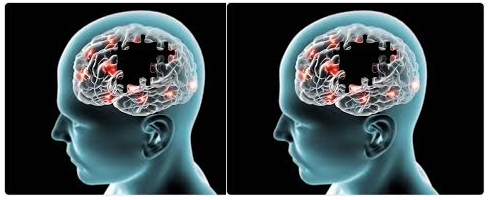
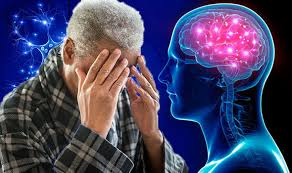
                                                                               LATE Dementia                 Alzheimer's Disease 


Something New in Dementia

Continuing education courses about dementia are constants in the adult foster care industry. You all have read the same concepts over and over again. This time, though, the dementia training will be different. Something new has come up that is the cutting edge of medical science. For now, it’s called limbic-predominant age-related TDP-43 encephalopathy, or LATE Dementia. The reason it warrants a CE course of its own for caregivers is that it looks and acts just like Alzheimer’s disease. Its discovery is impacting Alzheimer’s research and may have an impact on future Alzheimer’s therapy. Besides that, it’s about time you had some variety in dementia-related courses.

An article about LATE dementia was published this year in Oxford Academic’s Brain journal. The news is spreading quickly, and the medical science community’s reaction to it gives an interesting insight into how medical research is done. The article was the result of an international consensus of researchers from Britain’s Rush University Medical Center and scientists from several National Institutes of Health-funded institutions in the United States. For the advanced science geeks among you, the full article can be read for free at the following link: https://academic.oup.com/brain/article/142/6/1503/5481202

Fair warning, though, it’s pretty advanced reading (kind of refreshing in a weird way for the advanced medical professional). For the rest of us non-science geeks I will cover the details here and talk about its implications in more everyday language.


Alzheimer’s Disease Symptoms

As you know, Alzheimer’s is a difficult-to-diagnose disease that is predominantly recognized by the dementia symptoms of:

  • Increased memory loss and confusion
  • Inability to learn new things
  • Difficulty with language and problems with reading, writing, and working with numbers
  • Difficulty organizing thoughts and thinking logically
  • Shortened attention span
  • Problems coping with new situations
  • Difficulty carrying out multistep tasks, such as getting dressed
  • Problems recognizing family and friends
  • Hallucinations, delusions, and paranoia
  • Impulsive behavior such as undressing at inappropriate times or places, or using vulgar language
  • Inappropriate outbursts of anger
  • Restlessness, agitation, anxiety, tearfulness, or wandering—especially in the late afternoon or evening
  • Repetitive statements or movements and occasional muscle twitches

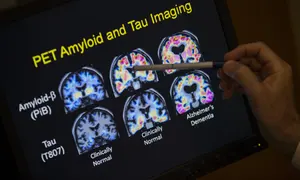
These signs of Alzheimer’s disease may be caused by the loss of brain matter due to changes in certain proteins in the brain. It is thought that the buildup of tau protein tangles and plaques of beta-amyloids (leftover fragment of larger proteins) interfere with the brain tissue’s normal functions and the brain cells die. The loss of brain cells leads to loss of brain function, causing the dementia symptoms.

You may have noticed I used the phrases “may be” and “it is thought.” There is a large amount of uncertainty in what is happening in the brain of dementia patients. There are many cases where dementia symptoms have occurred and there is no buildup of tau tangles and beta-amyloid plaques. These cases have baffled Alzheimer’s researchers, leading them to search for other possible causes of dementia. After months and years of study, another cause of dementia symptoms has been identified and named: deposits of a misfolded protein called TDP-43 in the brain.


TDP-43 Error and the Cause of Disease

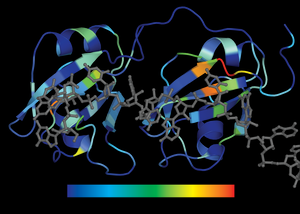
The transactive response DNA-binding protein of 43 kDa, or TDP-43 for short, is a protein that helps regulate gene expressions of DNA and RNA.  Think of it as a chemical tool the brain cell uses in getting its work done in the nucleus. TDP-43 is a highly folded molecule that attaches to DNA and RNA in specific ways in order for it to work properly.

Unfortunately, a mutation can and does occur in a cell’s DNA and a misfolded TDP-43 is created. The misfolding error changes the protein’s shape. The change in shape interferes with the protein’s proper function. As the misfolded TDP-43 accumulates in the brain, malfunctions start to occur, resulting in memory loss and thinking skill problems. Misfolded TDP-43 malfunction is also a factor in amyotrophic lateral sclerosis (ALS, or Lou Gehrig’s disease) and frontotemporal lobar degeneration.

Recent brain tissue studies have found that misfolded TDP-43 protein is very common in older adults — about one-quarter of people over 85 have enough misfolded TDP-43 protein to affect activities of daily living. In my opinion, this may partially explain the aging process of the brain.


LATE Dementia

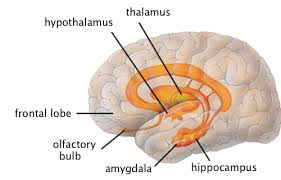
Misfolded TDP-43 is a major factor in LATE-caused dementia. As the malfunctioning protein starts to accumulate, protein tangles start to appear outside of the nucleus. When tangles accumulate in the cells of limbic regions of the brain, dementia symptoms start to occur. The limbic system of the brain is heavily involved in memory recall and memory storage, emotions, and survival instincts. As damage in the limbic regions increases, so does memory loss. Emotions such as fear and anger become harder to manage. Changes in personality are seen and the ability to think clearly decreases. These are all classic signs of dementia. 


LATE dementia progresses in three phases.

  • Stage 1 – TDP-43 accumulates in the amygdala.
  • Stage 2 – TDP tangles spreads to the hippocampus.
  • Stage 3 –TDP tangles have started to accumulate in the middle frontal gyrus of the frontal lobe of the brain.

So far, research shows that the onset of LATE dementia occurs later in life. In brain autopsies, the condition is seen in “the oldest of the old.” The reason for the age relationship was not discussed in the articles I researched. I speculate that it is part of the age-related breakdown of the repair mechanisms of the brain. If the breakdown occurs in the limbic system, you get dementia. That is just a guess on my part, though.

Another limitation I found in the articles I read was that currently the only way to make a certain diagnosis of LATE dementia is through a brain autopsy. Also, there is no cure or even a way to slow LATE dementia down. Not very useful for living patients with dementia symptoms. Clearly, more work needs to be done. But medical science has to start somewhere, and the discovery of LATE dementia is still very significant. It gives hope that other discoveries may lead to other advances in understanding dementia, and maybe one day we’ll find a remedy for it.


Caregivers and LATE Dementia

So, if you can’t detect LATE dementia without a brain autopsy (that’s not going to happen very often) and you can’t cure it, why bother writing a course about it? What good does knowing all this do for caregivers? Good questions. Kind of cynical thinking, but valid reasoning nonetheless.

There are a couple of reasons I wrote this course. I thought that you would like a break from the standard dementia course. Don’t you get tired of reading the same thing over and over again? Also, you have to admit, learning something brand-new and interesting in your chosen career field is kind of cool. But beyond the entertainment value, there are practical applications for caregivers in knowing about another cause of dementia.


Firstly, I have always considered adult foster care providers as medical professionals. You are not just babysitters but valuable members of the medical caregiving spectrum. In order for you to interact effectively with other members of the medical community, you have to be up-to-date with your understanding of medicine. Also, you are the first point of contact with the patient and their family. If they hear of LATE dementia, they will understandably have questions and hopes for new therapeutic options. You can provide those answers and help them to have realistic expectations. Dashed hopes only leads to depression and anger. Besides, it’s just good business sense to be more knowledgeable than your competition.


Late Dementia Versus Alzheimer’s Disease

Medically speaking, the discovery of LATE is very significant across all causes of dementia, including Alzheimer’s disease. It has filled in gaps in our understanding and changed the way we perceive dementia. We now know that LATE mimics Alzheimer’s-caused dementia so closely that we didn’t even know it was there. The only visible difference between the two is that LATE occurs primarily in adults over 80 years old. Autopsy studies show that between 20 to 50 percent of people in this age group have signs of TDP-43 tangles. In contrast, the first signs of Alzheimer’s start to manifest themselves decades earlier. Other than the age thing, it’s almost impossible to tell the difference between LATE and Alzheimer’s in live patients.

Because of this fact, researchers are starting to wonder if what was once diagnosed as Alzheimer’s was actually LATE instead. It has been estimated that 15 to 20 percent of Alzheimer’s cases should actually have been diagnosed as LATE. To complicate things even further, they have found several cases where both Alzheimer’s and LATE pathology caused the dementia symptoms.   

So why should we even care? Dementia is dementia, after all. Calling it LATE or Alzheimer’s doesn’t really affect how we care for the patient. In caregiving, that’s true, but in medical research the possibility that cases were mislabeled changes everything. All the conclusions drawn from all previous studies could now be wrong. It’s like we have to start all over again in many ways.

For example, consider a drug trial that targets the Alzheimer’s disease process. They give the drug to a thousand dementia patients and the results are disappointing. It worked for some patients but had no effect on others. The researchers then concluded that the drug doesn’t work for enough Alzheimer’s patients, so they went in a different direction.

 Suppose now that those non-responders didn’t have Alzheimer’s at all but had LATE instead? The conclusion that the drug didn’t work was actually wrong. It did work; the poor responses were a result of giving the drug to the wrong type of patient. You can’t treat a disease that wasn’t there in the first place.

Going forward, dementia research now has to take LATE into consideration. Old projects could be reevaluated. Abandoned lines of thought could be resurrected.  The challenge now is determining who has LATE dementia and who has Alzheimer’s dementia so that proper studies can be done.  The race is on now to find biological markers for LATE that doesn’t involve cutting out a portion of a living brain and putting it under a microscope.


LATE TherapyImage result for eating a big juicy steak

I know that information that the caregiver can use in their work is kind of skinny in this article, so let’s put some meat on the bone for you to chew on.


Brain cell damage due to LATE is irreversible. You can’t regrow brain tissue that has been lost. That leaves utilizing what brain function remains in the best way possible. The overriding caregiving principle is that YOU have to change and adapt because the resident can’t. The disease has robbed them of the mental capacities they once had.   

Here are some caregiver tips, ideas and tools that will help.

  • Create a reliable daily routine with small rituals (less change to cope with).
  • Allow for unusual behavior. Reduce your rejection of bizarre behavior unless it endangers someone.
  • Keep the lines of communication open with family, friends, and loved ones. Educate them so there is less social rejection.
  • Keep the home well-lit using soft natural light. Avoid fluorescent lights, which can agitate people with dementia.
  • Demonstrate what you want the patient to do (takes less brain power to understand).
  • Lay out the clothes in the right sequence (less decision-making needed).
  • Clearly mark the toilet, e.g., a colorful door with a symbol (visual cue again. You can do the same with other activities of daily living tasks).
  • Make going to the toilet part of the daily routine.
  • The inside of the toilet bowl should be dark (e.g., by coloring the water). A totally white toilet does not allow orientation, especially for men while urinating in a standing position.
  • Restlessness sometimes indicates a need to go to the toilet.
  • Control napping to avoid sundowners.
  • Speak slowly, not too loud, using a low-pitched voice.
  • Face the person when you are speaking to them.
  • Use short, familiar words and short, simple sentences that clearly express what you want to say.
  • Allow sufficient time to respond. If the person does not respond, repeat your question with the same wording as before.
  • Ask only one question or give one instruction at a time. Break tasks down into smaller steps that are more manageable. For instance, even activities as simple as tooth brushing are made up of many smaller tasks, such as picking up the toothpaste, taking off the cap, picking up the toothbrush, putting toothpaste on the brush, etc.
  • Don’t confront … redirect instead. Avoid saying "don't" or giving negative commands. For example, instead of saying "Don't go in that room," try saying "Let's go over here."
  • Avoid questions that require a lot of thought, memory, and words.
  • Avoid instructions that require the patient to remember more than one action at a time (for example, avoid questions of the type "What film did you see last night?" or "What did you do this morning?").
  • Avoid arguing or disagreeing with the patient. Since dementia affects reason and logic, and arguing with someone requires logic, arguing is pointless.
  • Address the feelings of a person with dementia rather than focusing on the facts or accuracy of what the person is saying. Avoid reorienting the person to reality if not necessary. For instance, if someone with dementia thinks that the year is 1970, and this is not hurting anyone, refrain from trying to convince them it’s not. Instead, try to identify feelings related to 1970 by asking more about it.
  • Keep things peaceful and simple.

Thanks to Dementia.com for most of these tips. For even more, visit their website at https://www.dementia.com/coping-with.html.


Conclusion

The neurodegenerative syndrome that is dementia can be caused by a number of different factors. Despite the popular belief, not all dementia is caused by Alzheimer’s disease. The discovery of LATE is filling in many gaps in our understanding of the condition. The challenge now for researchers is to find ways of identifying cases in live patients so that studies can be more accurate and effective. For caregivers, the challenge is to understand LATE and communicate with other medical professionals, residents, and their families effectively. Caregiving in dementia is about adapting to the client’s reducing mental capacities.


I hope you enjoyed the article and got some benefit out of it.

As always, good luck in your caregiving efforts.

Mark Parkinson, BSPharm


References:

TDP-43. Alzpedia Alzforum. 2019. https://www.alzforum.org/alzpedia/tdp-43

Peter T Nelson et al. Limbic-predominant age-related TDP-43 encephalopathy (LATE): consensus working group report. Brain. Volume 142, Issue 6 June 2019.   https://academic.oup.com/brain/article/142/6/1503/5481202

Researchers define Alzheimer's-like brain disorder. Science Daily. Apr.30 2019. https://www.sciencedaily.com/releases/2019/04/190430121800.htm

We Totally Missed a Different Kind of Dementia for Decades. SciSchow Psych. Sep. 26 2019. https://www.youtube.com/watch?v=CC2LG5TQn_4

Scientists Identify New Type of Dementia That Mimics Alzheimer’s. Being Patient. May 1 2019 https://www.beingpatient.com/late-dementia/

Coping with dementia. Dementia.com. 2019. https://www.dementia.com/coping-with.html


Exam Portal

click on [Take Exam]

Purchase membership here to unlock Exam Portal.

*Important*

Registration and login is required to place your name on your CE Certificates and access your certificate history.

Username MUST be how you want your name on your CE Certificate.


Guest:  Purchase Exam


Dealing with Migraines

Author: Mark Parkinson BsPharm:  President  AFC-CE

Credit Hours 2- Approximate time required: 120 min.

Educational Goal

Provide instruction about the Migraine disorder and how care to for residents who suffer from Migraine headaches

Educational Objectives

Provide migraine statistics

Define Migraine disorder and improve caregiver understanding

State the need a bridge between migraine suffers and proper care

Tell about the management principles of the Migraine disorder

Procedure:

Read the course materials.  2. Click on exam portal [Take Exam].  3. If you have not done so yet fill in Register form (username must be the name you want on your CE certificate).  4. Log in  5. Take exam.  6. Click on [Show Results] when done and follow the instructions that appear.  7. A score of 70% or better is considered passing and a Certificate of Completion will be generated for your records.

Disclaimer

   The information presented in this activity is not meant to serve as a guideline for patient management. All procedures, medications, or other courses of diagnosis or treatment discussed or suggested in this article should not be used by care providers without evaluation of their patients’ Doctor. Some conditions and possible contraindications may be of concern. All applicable manufacturers’ product information should be reviewed before use. The author and publisher of this continuing education program have made all reasonable efforts to ensure that all information contained herein is accurate in accordance with the latest available scientific knowledge at the time of acceptance for publication. Nutritional products discussed are not intended for the diagnosis, treatment, cure, or prevention of any disease.


Dealing with Migraines


Making a difference in the lives of the most needy is what helps foster care providers get up each morning and face a new day. Sometimes, though, a caregiving challenge arises that seems overwhelming. Boy, I hated those days when I was a caregiver. Everyone looks at you like you’re some kind of miracle worker that should know what do to solve any problem.

What do you do when the caregiving challenge is a resident with a headache so severe that it causes nausea and vomiting? What do you do when someone in your charge develops a searing, debilitating, throbbing head pain that almost totally incapacitates them? What do you do when the headaches happen over and over and over again despite your best efforts? That’s the foster caregiving nightmare called a migraine headache. What do you do about migraines? You get busy and learn about them and how to best manage them.


Migraine Facts

Prevalence

Migraine is a very common neurological disorder of the brain. It afflicts 39 million people in the U.S. and 1 billion worldwide, making it the third most prevalent illness in the world. In the United States, 12 percent of the population suffer from migraines. It is estimated that one in four households includes someone who has endured a migraine.

Gender

Men, women, and children can suffer from a migraine. In America 18 percent of women, 6 percent of men, and 10 percent of children have experienced an episode. Adult women are three times more likely than men to have a migraine. Up to 30 percent of women will have at least one episode in their lifetime.

Age

Migraine can occur at any age, with cases having been reported in children as young as 18 months. Migraine headaches occur most frequently between the ages of 18 to 44. Before puberty, boys are affected more than girls, but during adolescence, the risk of migraine and its severity rises in girls. Half of all migraine sufferers have their first attack before the age of 12. After the age of 50 the frequency of headaches and the severity of the episodes seem to reduce.

Genetics

Migraines tends to run in families. Ninety percent of sufferers also have a family history of occurrences. Children who have one parent suffering from a migraine have a 50 percent chance of having one too. The chance of occurrence for a child who has both parents with a history of migraines increases to 75 percent.

Frequency

Every 10 seconds, someone in the U.S. goes to the emergency room complaining of head pain, out of which approximately 1.2 million visits are for acute migraine attacks. More than 4 million people have chronic daily migraines, with at least 15 migraine days per month. However, most patients only have 1 or 2 a month.

Costs

It is estimated that migraines cost the U.S. economy 20 million a year due to direct health costs and lost time, though that figure could be a lot higher. Fewer than 5 percent of patients are seen by a healthcare provider, receive a proper diagnosis, and receive appropriate care. 


More Than Just a Headache

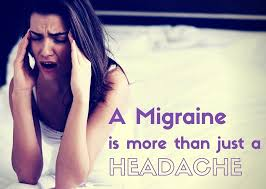
Handling the nightmare that is migraine starts with gaining a proper caregiver perspective on what it is. Most of what you probably know about migraine comes from popular cultural references and is probably wrong. Despite what caregivers have been told, migraine is not just a severe headache that comes and goes. It is a primary brain disorder that causes a headache. Even how you use the word is probably wrong. “I’m having a migraine” is no more accurate than saying “I’m having diabetes.” It is not an event, it is a condition.

The migraine disorder is not fully understood yet by medical science. It most likely involves how the nerves and blood system of the brain develop in certain parts of the brain. Overactive or overly sensitive nerves send out signals to the trigeminal nerve, a major nerve that supplies sensations to the head and face. In turn, the trigeminal nerve stimulates other reactions including the release of chemicals that cause blood vessels in the lining of the brain to swell. The inflammation greatly contributes to the pain experienced in a migraine headache. This condition makes patients with migraine more suspectable to biological and environmental triggers that result in a special kind of moderate to severe headache called a migraine headache. There may yet be other contributing factors that remain undiscovered. 

Having a migraine may be an inaccurate way to describe what is actually going on, but the concept is so ingrained in our society that there is little point in trying to correct it. As long as the caregiver starts off with the proper understanding, therapeutic efforts can be more effective. From now on in this article if I say “having a migraine” you’ll know what that I really   mean.

Migraine Headaches

Migraine headaches are different from regular headaches. How you recognize them, how you treat them, and how you prevent them is all different. You don’t just give a resident an aspirin when the migraine comes on and expect that everything will be okay, because it won’t be. Fortunately, there are ways to manage migraines if caregivers can spot them and know what to do.

Recognizing Migraines

There is significant variability in how migraine headaches are experienced. There are patterns in the signs and symptoms, though, that set apart migraines from regular headaches. Typically, migraine headaches are felt on one side of the head, are throbbing, and can last from a few hours to three days. Often other symptoms accompany the headache; these may include nausea, vomiting, and sensitivity to light, sound, or smell. The pain is generally made worse by physical activity. Also, migraine headaches occur in phases. Certain signs and symptoms may happen before, during, and afterward the migraine. There are also predictable events that trigger the onset of a migraine. The phases of a migraine are:

Prodrome phase

Because the brain controls many things, when migraine disordered cells are triggered, other bodily effects can result before a headache occurs. Prodromal symptoms can be seen in up to 60 percent of patients. They can occur between two hours to two days before the pain phase and can be used as a sign that a migraine is coming on. The symptoms are as varied as individuals are, so it’s best to keep tract of events before the migraine comes on. Look for things like altered mood, irritability, depression or euphoria, fatigue, cravings for certain foods, stiff muscles (especially in the neck), constipation or diarrhea, and sensitivity to smells or noise.

Aura Phase

Up to one-third of people with migraine headaches experience what is called an aura — a short period of sensory disturbances that signals that the headache will soon occur. They usually last less than 60 minutes. Ninety-nine percent of aura cases involve impaired visual effects. Other sensory disturbances are seen in about 30–40 percent of auras.

Visual auras often affect just a portion of the field of vision and can flicker in and out. They can appear as zigzagging lines of black or white that start in the center of the field of vision and extend outward. Others experience blurred spots, while others lose a portion of the visual field. All visual auras can affect the resident’s ability to perform visual tasks.  

Other sensory disturbances can be feeling pins and needles in the skin on one side of the body, starting at the hand and traveling up toward the nose and mouth area. Numbness usually follows. Some patients describe tasting, smelling, seeing, or hearing things that are not there. Also, language problems and dizziness may temporarily appear.  

Rarely, an aura can occur without a following headache. Known as an acephalgic or silent migraine, they can be used as an indication of the migraine disorder.

Pain Phase

This is when the actual headache starts. It begins gradually and pulses into greater intensity. Because inflamed cranial blood vessels are involved, anything that makes blood pressure and flow increase, like physical activity, will make the throbbing pain worse. Typically, the pain is only felt on one side but over 40 percent of cases experience pain on both sides. Less commonly, pain may occur primarily in the back or top of the head. The pain phase can last from four to 72 hours. In younger children, the pain phase often lasts less than one hour.

As the headache intensity grows, other symptoms start to appear. In 90 percent of cases, nausea is felt, with one-third of those resulting in vomiting. The patient is aggravated by light, sounds, or smells. Dizziness, scalp tenderness, lightheadedness, confusion, blurred vision, nasal stuffiness, diarrhea, frequent urination, pallor, or sweating may also occur. These additional symptoms appear less frequently in the elderly.

Postdrome Phase

After the migraine headache resolves, rebound symptoms can occur, like weakness, confusion, mood changes (including euphoria), GI disturbances, and tenderness in the headache area. It has been described like being hung over and can last for several days. The emotional response can range from feeling refreshed or euphoric to general malaise and depression.

A final distinction in migraine is that it is a brain function disorder and is often associated with other brain function maladies. They can include major depression, bipolar disorder, anxiety disorders, and obsessive-compulsive disorder. These psychiatric disorders are approximately two to five times more common in people without aura, and three to ten times more common in people with aura than the general public.


 Triggers


There are a number of things that can set off the cascade of cellular events that can lead to migraine headaches. They include:

  • Hormones in women – Changes in the estrogen levels in women seen in menstrual periods, pregnancy, and menopause can trigger migraines and affect their severity. Medications that include hormones, like oral contraceptives and hormone replacement therapy, can also worsen migraines. Some women, though, find that taking hormones decreases the number of migraines they experience.
  • Drinks – Drinks that contain alcohol and caffeine affect brain cells and thus are known triggers for migraine headaches.
  • Stress – Increases in mental and physical stresses.
  • Overstimulating the senses – Bright lights, glaring sunshine, loud sounds, strong smells, and secondhand smoke can all set off migraine-sensitive nerves.
  • Changes in sleep patterns – Migraines can be triggered by getting too much sleep, not enough sleep, or jet lag.
  • Physical activities – An increase in activity increases several brain functions including migraines. Feeling fatigued can also be a factor.
  • Weather changes – A change of weather or barometric pressure can bring on a migraine.
  • Medications – It is a given that drugs that affect hormone levels and blood pressure will affect migraine occurrences. They include oral contraceptives, vasodilators, and nitroglycerin.
  • Foods and food additives – Ingredients in certain foods like aged cheeses, salty and processed foods, aspartame, and monosodium glutamate (MSG) have been observed in triggering headaches. There is also a link through the gut-brain axis and how our intestinal flora reacts with food that can send signals to the brain that will trigger a migraine.


Being the Bridge to Proper Care

It is one thing to make an overall list of the signs, symptoms, and triggers of migraine, but it’s a totally different thing diagnosing and treating the individual. If medical science doesn’t have a complete handle on what migraine disorder is, then the general public is particularly clueless. That is one of the reasons why only 5 percent of migraine patients receive proper treatment. Foster care providers can help fill the understanding gap that will lead to more patients receiving more appropriate care. It starts with recognizing that the moderate to severe headache that the resident is experiencing might be something more.  

So, how can a caregiver tell a migraine headache is coming on and not just a regular headache? The answer? Being an expert on your residents and recognizing the migraine pattern of symptoms and behaviors.

  • First, recognizing who’s most likely to have migraines. Pay attention to patient files and family histories. If there is a history of migraines, then those are the ones that are most likely to have future migraine headaches.
  • Second, recognizing repeating events. If the patient does have oversensitive nerves, then headaches will occur frequently. You will notice that they may be triggered predictably by certain events.
  • Third, recognizing the patterns in the headaches, including what happens before and after the headache. Remember, migraine headaches occur in phases.

The Diagnosis

One of the great things about being a foster care provider is that we don’t have to come up with a diagnosis. All we have to do is suspect that the resident has migraine; the doctor has to make the diagnosis call. When our suspicions prove true, then we look like a hero for catching something that no one else did (that’s particularly satisfying, in my opinion). If the doctor doesn’t agree with your guess, it’s no big deal. Don’t stop monitoring; doctors have been known to be wrong before.

According to the International Headache Society, a migraine diagnosis can be made according to the following "5, 4, 3, 2, 1 criteria."

  • Five or more attacks — for migraine with aura, two attacks are sufficient for diagnosis.
  • Four hours to three days in duration
  • Two or more of the following:
    • Unilateral (affecting half the head)
    • Pulsating
    • Moderate or severe pain intensity
    • Worsened by or causing avoidance of routine physical activity
  • One or more of the following:
    • Nausea and/or vomiting;
    • Sensitivity to both light (photophobia) and sound (phonophobia)

I think it is important to point out a few things about this subject.

  1. The vast majority of migraine sufferers have not been properly identified, diagnosed, and treated. That means most will want to just hide in a dark, quiet place or go to the ER.
  2. Some, like mental health patients, developmentally disabled, and children who have communication problems, have never properly described what they are experiencing. You’ll have to do it for them.
  3. Those who have experienced multiple migraines will be engrained in a particular line of thought on what it is and what it is not. Their migraine reality is shaped by the fear of a painful headache episode. Going outside their comfort zone will be very hard because of the fear of that pain.
  4. Patients will have only called their doctor in the middle of a headache demanding an immediate remedy. Most likely, not much effort will have been made in treating migraine like a disease; rather, it’s treated like an emergency event.
  5. There is a tendency of inexperienced doctors to not diagnose migraines unless there is an aura. Gently remind the doctors that the majority of migraines are without aura, or ask questions about all the other symptoms that you see. For example, “What about the light sensitivity and nausea, doctor, what is causing that?”
  6. Not every migraine patient will have every phase of migraine.

Have patience with the resident, the family, and the doctor. Be the bridge between what is now happening and what needs to be happening in the future in regard to migraine disorders.


Caregiving in Migraine

There may be headache relievers but there is no cure for migraine, just management — management of the triggers, management of the patient, and management of the headache. The key to successful migraine management is you, the in-home caregiver.  You are in the best position to manage all the factors that can reduce the severity and frequency of migraine episodes. The following are a few helpful suggestions and resources that I believe will be beneficial to your caregiving efforts.

Frame of Mind

Start off and continue in the right frame of mind: empathic, supportive, and flexible. Everyone experiences migraine differently and may need different kinds of support. Treatments may vary from medication, chiropractic care, alternative medication, special diets, or whatever. If it works, run with it. Don’t forget about expecting and managing the other the symptoms involved in migraine, for example vomiting. Remember, migraine is a disorder, not an event. Your emotional support during headaches will be very important.

Management of Triggers

Getting In-the-Know

The more involved you become in understanding your resident’s condition, the more likely you will be able to affect the course of the disease. A Migraine Diary will be a very effective caregiving tool in getting in-the-know. There are several free versions, or ones available at very low cost. Most are easily adaptable to a care home setting. They are designed to help identify what triggers a migraine and measure how effective therapy is. Doctors will love you if you send them patients with a filled-out migraine diary.

Check this one out, written by Hartford Healthcare.Org https://hartfordhealthcare.org/File%20Library/Services/PDFs/Headache-Center-Diary-and-Guide.pdf

The Menu

Cooking recipes from scratch helps manage ingredients that trigger migraine attacks. It will help you avoid having to prepare completely separate trigger-free meals. Nitrates, commonly found in processed meats, can be an issue. There are nitrate-free versions; you just have to look for them. Save time and just ask the grocer or butcher where they are. Once you get a good handle on food triggers, educate family members who want to bring food gifts or take their loved ones out to dinner.


Take Regular Walks

Those who read my CEs know how much I tout the benefits of taking residents for regular walks. It turns out walks are recommended for migraine trigger management, too. Mild physical activity reduces stress, a migraine trigger. It also strengthens the blood flood gradually. Those who regularly exercise become more capable of handling sudden demands on blood flow, also a known trigger of migraines.


Triggers Are Accumulative

Not all trigger events cause a migraine every time. The explanation is there seems to be a stimuli threshold that has to be crossed before migraine-effected brain cells are set off. So, if the resident accidently eats a trigger ingredient, manage all the other triggers and you might avoid the migraine. Also, if there is an increase of uncontrollable triggers like the weather or menstrual periods, be ready with extra trigger control.


Management of the Patient

Classification

Migraines are classified into several subclasses. A list of them is not that important right now, though if you do see the subclass name it might give you clues on how to manage the resident. The classifications I want to concentrate on is acute versus chronic. In the case of migraine, acute is defined as present or experienced in an intense, severe way. On the other hand, chronic is defined as having three or four acute attacks per month. These labels will help determine what medication is used. Everyone will get an abortive agent(s), which is the headache remedy. Chronic migraine sufferers might get a prophylaxis agent, which is a preventative medication. I was going to give you a list of meds but I will spare you from reading a long, boring list. Instead, I will give you a list of helpful caregiver medication management hints.

PRN and the Overused Red Flag

I know the PRN log is a pain to fill out, but in migraine it can give you very useful info. How often PRN meds are charted tells a lot about how migraines are experienced. It also helps alert you to overuse, which can actually lead to more migraines (ironic, isn’t it?). It might also be an indication that a med routine change is needed. It would be wise to get a “call the doctor” point in the frequency of PRN drug use from the prescriber.

When to Dose

Abortive agents work better if given early on. It’s easier to put out a one-alarm fire than a five-alarm fire. Don’t wait too long to give PRN meds.

Statistically, the onset of most attacks of migraine occur in the morning when you’re the busiest. The migraine may even have started before the resident woke up, so the early warnings may not be there. Be more aware of migraine symptoms in your morning routine and be ready with the abortive meds.

Preventative Medication Considerations

Medication used to prevent migraines will be familiar to you but applied in a different way. When a preventative medication is started, the doctor might begin with a fairly low dose and gradually increase the amount used depending on the patient’s response or side effects that occur. Feedback to the doctor is pretty important at this time. Monitor for effect with skill. In many instances, these agents are not used long enough. Frustration on the part of both the physician and the patient leads to frequent changing of medications. Some of these preventive agents, particularly verapamil and divalproex sodium, may take six to eight weeks before one sees a significant reduction of headache frequency and severity. Often patients have their drugs changed every couple of weeks and never give the medication an adequate trial. You can help by asking questions about sufficient trial times for each medication. Consulting a pharmacist might also help get the point across.

In migraine prevention, higher doses of calcium channel blockers and beta-blockers are needed than are used in treating hypertension so watch for side effects. Also, in tricyclic antidepressants, lower doses are used than what is seen in treating depression.

Children Medications

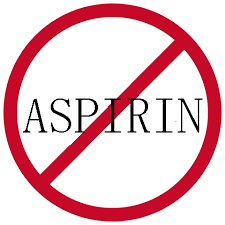
Many migraine relief medications contain aspirin (like Excedrin Migraine). Children and aspirin-containing products don’t mix well. The worry is about causing Reye’s syndrome. If you take care of infants, read the ingredients of all your headache remedies. If aspirin is present, bring it to the attention of the doctor. Educate family members not to give these products when the resident is with them.

Migraine Prevention Devices

There are nerve stimulation devices that are FDA-approved for migraine prevention. Insurance coverage is going to be an issue. The good thing is that there are no side effects and they can be used for children and teens.


Management of the Headache

Caregiver Tools for Headache Management

Once the migraine is triggered, caregivers have to switch gears from prevention to controlling the pain and other symptoms that you know are coming. The pressure is on you, the caregiver — not the doctor, not the home health nurse, and not the family.  Here are a few ideas that I think will help you manage the headache.

Monitoring for Effect

Because of the PRN nature of headache remedies, you will have to use skill in when to apply them. That skill is developed as you pay attention to how effective the remedies are. The Migraine Diary is an essential tool in this effort. Record what you did and what effect it seemed to have. Include time frames as well. Review the records and discuss them with the resident and the doctor. Over time you can develop an effective treatment regime.

Stimulus Control

Now is the time when you have to control or eliminate all the things that can aggravate the headache that is coming on. Establish a place that is cool, quiet, and dark. Don’t make any demands on the resident and provide plenty of stress-free emotional support.

Drug Considerations

If the doctor has not spelled out a drug regime for migraine, get one. It should be more than just PRN Excedrin. Develop a more detailed plan. It’s going to be a work in progress as you report back to the doctor what works and what doesn’t. Don’t forget nausea control in the regime.

For headaches that happen at least 15 times per month, ask the doctor if medication overuse is contributing to the headache. If it is, it’s going to take two to six weeks to taper off the meds to get things under control again.

Non-Drug Therapies

Drugs are first-line therapies, but they are not the only tools in your caregiver toolbox. The following may or may not be thought of as therapy. When in doubt, get the doctor to add them to the PRN migraine management orders.

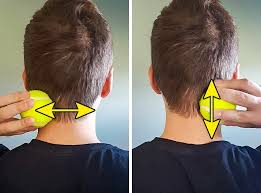
  • Many people find that putting gentle pressure on the head, face, and neck during a migraine can help ease the pain. Techniques to try:
  • Press your brow line and under your eyes.
  • Rub your temples and jaw in a circular motion.
  • Massage the base of your skull with a tennis ball.
  • A variety of head wraps and bands claim to ease migraine pain. They're inexpensive and might be worth a try.
  • Relaxation techniques.
  • Migraine masks. These are specially shaped cold packs worn over the face. A supply of cool compress rags would have a similar effect.
  • Aromatherapy (lavender oil might help).
  • Massaging the muscles in the neck and shoulders can help to relieve tension and alleviate migraine pain. Massage may also reduce stress.
  • Residents can be given a tennis ball and use it for self-massage along the shoulders and back.
  • Acupressure: application of pressure to specific parts of the body. Stimulating specific points of the body in this way is believed to release muscle tension and alleviate pain.

One popular pressure point is the LI-4 point in the space between the base of the left thumb and pointer finger. Applying firm but not painful circular pressure to the LI-4 point, using the opposite hand for 5 minutes, may relieve headache pain. A 2012 study looked at 40 people who had migraines without aura. It found that pressure on the PC6 acupoint, which is located three fingers up from the base of the wrist on the inside of the arm, was effective in relieving migraine-associated nausea or vomiting associated with a migraine headache.”

Source https://www.medicalnewstoday.com/articles/322814.php#3


Conclusion

Dealing with a headache is not fun. Dealing with a migraine headache is particularly debilitating and those who suffer will need help. A resident who has migraine disorder is going to need caregiver management of their triggers, the prevention therapies, and the migraine headache themselves. Adult foster care providers will find that they are in a powerful position to manage all aspects of the disease that is called migraine. Remember, it is not an event, it’s a disorder.

As always, good luck in your caregiving efforts.

Mark Parkinson, BsPharm


References:

By S. Jähnichen (talk) - File:Brandenburger_Tor_Blaue_Stunde.jpg, CC BY-SA 3.0, https://commons.wikimedia.org/w/index.php?curid=6668865

Migraine, MayoClinic 2019. https://www.mayoclinic.org/diseases-conditions/migraine-headache/symptoms-causes/syc-20360201

Migraine Research Organization 2019. https://migraineresearchfoundation.org/about-migraine/migraine-facts/

Migraine Diary. Hartford Healthcare,org. https://hartfordhealthcare.org/File%20Library/Services/PDFs/Headache-Center-Diary-and-Guide.pdf

Migraine Headaches. WebMD. 2019. https://www.webmd.com/migraines-headaches/migraines-headaches-migraines#1

Migraine. Wikipedia. 2019. https://en.wikipedia.org/wiki/Migraine

How to Support Someone with Migraine. Migraine Foundation. https://cdn2.hubspot.net/hubfs/2611652/How%20to%20Support%20Someone%20with%20Migraine.pdf

Sai NR Chandamuri, MD, James Abbey, MD, Jesse Vance, PharmD. Migraine Headaches. InfantRisk Center, Texas Tech University Health Center. https://www.infantrisk.com/content/migraine-headaches

Migraine and Tension Headache Guideline. Kaiser Permanente.

https://wa.kaiserpermanente.org/static/pdf/public/guidelines/headache.pdf

Lifestyle Strategies That Might Help Your Migraine. WebMD. https://www.webmd.com/migraines-headaches/common-headaches-17/migraine/slideshow-nondrug-migraine-relief

Nicole Galan. What are some tips for instant migraine relief? MedicalNewsToday. Aug. 20, 2018. https://www.medicalnewstoday.com/articles/322814.php#3


Exam Portal

click on [Take Exam]

Purchase membership here to unlock Exam Portal.

*Important*

Registration and login is required to place your name on your CE Certificates and access your certificate history.

Username MUST be how you want your name on your CE Certificate.


Guest:  Purchase Exam

Autism’s Change to Autism Spectrum Disorder

Author: Mark Parkinson BsPharm:  President  AFC-CE

Credit Hours 3- Approximate time required: 180 min.

Educational Goal

Show how the grouping all the different kinds of Autism into a single diagnosis effects Autism therapy.

Educational Objectives

Explain how the various autism disorders are now combine into a single diagnostic category as a spectrum of disorders and its impact on therapy and diagnosis.

Define Autism Spectrum Disorder, and inform about its biology, prevalence, risk factors.

List Autism Spectrum Disorders signs and symptoms and therapy option

Show how ASD effects all foster care settings.

Provide caregiver perspectives on ADS care.

Procedure:

Read the course materials.  2. Click on exam portal [Take Exam].  3. If you have not done so yet fill in Register form (username must be the name you want on your CE certificate).  4. Log in  5. Take exam.  6. Click on [Show Results] when done and follow the instructions that appear.  7. A score of 70% or better is considered passing and a Certificate of Completion will be generated for your records.

Disclaimer

   The information presented in this activity is not meant to serve as a guideline for patient management. All procedures, medications, or other courses of diagnosis or treatment discussed or suggested in this article should not be used by care providers without evaluation of their patients’ Doctor. Some conditions and possible contraindications may be of concern. All applicable manufacturers’ product information should be reviewed before use. The author and publisher of this continuing education program have made all reasonable efforts to ensure that all information contained herein is accurate in accordance with the latest available scientific knowledge at the time of acceptance for publication. Nutritional products discussed are not intended for the diagnosis, treatment, cure, or prevention of any disease.


Autism’s Change to Autism Spectrum Disorder


This topic was requested by a developmentally disabled caregiver. Yes, I do respond to requests. Just shoot me an email.

Over the past decade, there has been a fundamental shift in how autism is perceived and cared for. Historically, the lack of therapeutic and care options shunted autistic patients into long-term care institutions. Institutionalization hid the problem behind whitewashed walls and created a stigma in the mind of the general public. Autism became a topic of pity that was best avoided in general discussions. In the medical community, all of that has changed. Institutionalization has been largely abandoned in favor of integration. Emphasis has changed from assigning a diagnostic label to developmental therapeutic options. Before we talk any further about this change, we first have to get everyone on the same page.

 

Autism’s Definitions

No, that is not a typo — I do mean definitions, plural. Let me explain. The general definition of autism is a developmental disorder where the individual has difficulties with social interactions and communicating with others. It often creates restrictive or repetitive behaviors. But there is a problem with that definition. It doesn’t describe the disorder; it’s just a broad list of symptoms. There is nothing beyond calling it a “developmental disorder.” This left the general public, doctors, and even researchers to fill in the blanks themselves, creating, in effect, multiple definitions of what autism is. 

Previously, groups of individuals with similar symptoms and severities were placed in the same general subgroup. You probably recognize some of their names: Asperger syndrome, Rett syndrome, childhood disintegrative disorder (CDD) and pervasive developmental disorders not otherwise specified (PDD-NOS), also called atypical autism.

The problem was that the subgroups were very fluid. It seemed that each doctor had their own criteria for who belonged in which group. The confusion was understandable. There is still no clear answer to what causes autism. Even in recognizing the symptoms there is a large variation in severity and presentation. Diagnosis was very difficult for doctors because it was impossible to set clear diagnostic guidelines that everyone could agree upon. For example, Asperger’s syndrome is generally recognized as a milder form of autism. Where does Asperger’s end and autism begin? Which symptom do you measure for severity that indicates it is no longer Asperger’s, but full-blown autism? If you have no answers, many doctors trying to diagnose their patients didn’t either.

In order for that system of diagnosis to work, a lot of effort had to go into finding out what caused the symptoms and trying to find ways to measure them. Many people thought that required too much emphasis on describing symptoms, at the expense of providing meaningful therapy. Labeling different groups of patients also created social stigmas that hampered therapy. Clinicians and specialists started to take a different approach and more effort was concentrated on therapeutic options, regardless of symptoms. Some experts even speculated that autism might be just a natural variation of brain development and not a disorder at all.

 

A Change in Emphasis

In May of 2013, the Diagnostic and Statistical Manual of Mental Disorders, Fifth Edition (DMS-5) removed the individual listings of the various autism disorders and placed them in the general category of autism spectrum disorder (ASD). This created a whole new diagnostic model. It recognizes that the level of disability and the combination of symptoms varies tremendously from person to person. It enabled doctors to diagnose patients who may look very different when it comes to their behaviors and abilities but still fit into the same general autism criteria. In my opinion, statements made on the website helpguide.org capture the spirit of this new diagnostic model:

“Autism is not a single disorder, but a spectrum of closely related disorders with a shared core of symptoms. Every individual on the autism spectrum has problems to some degree with social interaction, empathy, communication, and flexible behavior. But the level of disability and the combination of symptoms varies tremendously from person to person. In fact, two kids with the same diagnosis may look very different when it comes to their behaviors and abilities.”

“No diagnostic label can tell you exactly what challenges your child will have. Finding treatment that addresses your child’s needs, rather than focusing on what to call the problem, is the most helpful thing you can do. You don’t need a diagnosis to start getting help for your child’s symptoms.”

 

What We Know of Autism so Far

I hope that everyone reading this course is on the same page now, or least getting there soon. That is also, in essence, the best way to describe what change has happened to autism care in America today. By describing autism as a spectrum of conditions, the researchers, doctors, therapists, educators, politicians, family members, and caregivers are all on the same page. We are all focused on helping the autistic patient have the best possible outcomes, regardless of what caused the condition to develop in the first place. From now on, when I talk about autism, I mean autism spectrum disorder. Okay, let’s continue. If autism is not a single disease but a spectrum of different conditions, what do we know so far?

Biology
The cause of autism is not well understood. There appear to be many factors that contribute to its development. There may even be several different conditions originating from different biological pathologies that happen to result in the same core autistic symptoms. What is clear is that it is related to changes in the normal maturation process of the brain and nervous system. It may be related to mutated genes  (a weakness in the gene expression that causes errors in building brain tissue), a change in how the nerves of the nervous system connect to each other along synapses, physical damage from toxins or inflammation to the pregnant mother and child, or some combination of all of the above.

There is some evidence that the bacteria in the gut may play a role in autism. The bacteria in our gut is called our microbiome. Research shows clear evidence that our microbiome affects the enteric nervous system, which is connected to the gut-brain axis. Studies are being conducted in hopes of determining if the right balance of microbes in the gut will have an effect on the development or therapy of ASD.

Prevalence

The number individuals who have been identified with ASD seems to be a bit hazy. That is to be expected when you change diagnostic procedures. Its prevalence seems to be increasing, but that just might be related to the new diagnostic methodology. Wikipedia reported estimates of a prevalence of one or two per 1,000 for autism and close to six per 1,000 for ASD as of 2007. Later in the same article it was cited that a 2016 survey in the United States reported a rate of 25 per 1,000 children for ASD. In 2014 the Centers for Disease Control and Prevention (CDC) sampled eight-year-old children from 11 U.S. communities and estimated that one in 59 children were identified with ASD. 

Risk Factors

  • Genetics: There is a strong genetic influence on the development of autism spectrum disorder (ASD). ASD traits are inherited in the vast majority of cases. Parents who have a child with ASD have a 2 to 18 percent chance of having a second child who is also affected.
  • Race: ASD appears in all races, ethnic, and socio-economic groups.
  • Gender: There are four times the number of boys affected by ASD than there are girls. The reason for this is unclear.
  • Age of parents: The children of older parents are at greater risk for ASD. This is because the biological systems of the parents are wearing out, causing errors and mutations.
  • Abnormal genetic disorders: People with conditions such as Down syndrome, fragile X syndrome, and Rett syndrome are more likely than others to have ASD.
  • Development at time of birth: Very low birth weight is a known factor in autism.
  • Environmental factors: There seems to be an increase trigger of ASD if the pregnant mother has an infection with inflammation (German measles), has taken medications that cause birth defects (antiseizure meds), or has been exposed to certain air pollutants or toxins such as alcohol.
  • Vaccination: Vaccinations do not cause autism. There was an attempt to sue a drug manufacturer, claiming a preservative in a vaccine had caused autism in a patient. It was later proved that the case was a fraudulent attempt at getting rich. After 20 years of extensive research by several organizations, it is clear that vaccinations have no connection to ASD.



Signs and Symptoms

As we have discussed already, autism is a highly variable brain development issue. Each patient will have their own unique set of symptoms and severities. The impact on the patient’s life is described as low functioning to high functioning. Symptoms can be diagnosed as early as two years old or go undiagnosed until later in life.

WebMD.com states that “half of parents of children with ASD noticed issues by the time their child reached 12 months, and between 80% and 90% noticed problems by two years.”

According to the DSM-5, (the guide created by the American Psychiatric Association used to diagnose mental disorders), symptoms are broadly described as:

  • difficulty with communication and interaction with other people,
  • restricted interests and repetitive behaviors, and
  • symptoms that hurt the person’s ability to function properly in school, work, and other areas of life.

What does all that actually look like in real life? What are restricted interests? What are some examples of individual behaviors that impair the ability to function in life activities? There are many examples, which we can break up into two categories. 

 

 Social Communication Problems and the Lack of Social Understanding

  • Fails to respond to his or her name or appears not to hear you at times.
  • Resistance to being touched. For example, resists cuddling and holding and seems to prefer playing alone.
  • Doesn't speak or has delayed speech development. May lose previous ability to say words or sentences.
  • Can't start a conversation or keep one going; only starts one to make requests or label items.
  • Speaks with an abnormal tone or rhythm and may use a singsong voice or robot-like speech.
  • Repeats words or phrases verbatim but doesn't understand how to use them.
  • Doesn't appear to understand simple questions or directions.
  • Doesn't express emotions or feelings and appears unaware of others’ feelings.
  • Inappropriately approaches a social interaction by being passive, aggressive or disruptive.
  • Unusual or inappropriate body language, gestures, and facial expressions. For example, avoiding eye contact or using facial expressions that do not match with what he or she is saying.
  • Problems with pronouns (saying “you” instead of “I,” for example).
  • Lack of interest in other people or in sharing interests or achievements. For example, doesn't point at or bring objects to share interest, like pointing at a bird.
  • Difficulty understanding other people’s feelings and reactions and recognizing social cues like body postures and tone of voice.
  • Difficulty or failure to make friends with children the same age.

Restrictive and Repetitive Behavioral Problems
  • Performs repetitive movements, such as rocking, spinning, or hand flapping.
  • Not using or rarely using common gestures (pointing or waving), and not responding to them.
  • Performs activities that could cause self-harm, such as biting or head-banging.
  • Has a strong need for sameness, order, and routines. For example, lines up toys, or follows a rigid schedule. Gets upset by change in their routine or environment.
  • Has problems with coordination or has odd movement patterns, such as clumsiness or walking on toes, and has stiff or exaggerated body language.
  • Is fascinated by details of an object, such as the spinning wheels of a toy car, but doesn't understand the overall purpose or function of the object.
  • Doesn't engage in imitative or make-believe play.
  • Fixates on an object or activity with abnormal intensity or focus. For example, has an obsessive attachment to unusual objects (rubber bands, keys, light switches).
  • Has specific food preferences, such as eating only a few foods, or refusing foods with a certain texture.
  • Repeating words or phrases over and over without communicative intent.
  • Taking what is said too literally, missing humor, irony, and sarcasm.
  • Delay in learning how to speak (after the age of two) or doesn’t talk at all.
  • Is unusually sensitive to light, sound, or touch, yet may be indifferent to pain or temperature.

A Change in Method

I hope you have realized by now that the switch from autism to ASD has turned everything on its ear, medically speaking. Everything is handled differently. You’re not looking for disease markers but how regular abilities are developing. Therapy can and should happen before a diagnosis is made. Therapy concentrates on behavioral adaptation and skill development, not “curing” the disease. A special education teacher may have more impact than a doctor does. So, where do you start? It starts by suspecting something is not quite right and climbing up the ladder. It’s going to take time, patience, and a different mindset.

Diagnosis

Diagnosis can be a difficult and trying experience. There are no tests to take or biological markers to look for. Diagnosis is based on the presence of multiple symptoms that disrupt a person’s ability to communicate, form relationships, explore, play, and learn. This takes time and experience on what to look for. It may take years of observation by a team of specialists before you can get an official declaration of identification. After all, we’re talk about infants and 2-year-olds who do not communicate normally. It’s going to take extra time observing behaviors and brain development patterns over multiple doctor visits. Diagnosis typically is a two-step process.

Step 1: Well Child Developmental Screenings

What doctors are looking for are delays in regular development. Each child is different but the general guidelines are:

  • doesn't respond with a smile or happy expression by six months.
  • doesn't mimic sounds or facial expressions by nine months.
  • doesn't babble or coo by 12 months.
  • doesn't gesture — such as point or wave — by 14 months.
  • doesn't say single words by 16 months.
  • doesn't play "make-believe" or pretend by 18 months.
  • doesn't say two-word phrases by 24 months.
  • loses language skills or social skills at any age.

Step 2: Targeted Evaluation

This step is where an “observation team” goes to work. The team might include a child psychiatrist or psychologist, pediatric neurologist, developmental pediatrician, and a speech pathologist. If you are thinking this is starting to look expensive, it is. It is not unusual for medical bills to start topping $60,000 a year.

Associated Medical Conditions

 

Autism doesn’t occur in a bubble. Other conditions called comorbidities can occur at any time in the child’s life, even up into adulthood. Often, they are linked to the same developmental issues. The strain of trying to live with a disability can also lead the patient into other mental health issues and the development of maladaptive behaviors. Up to three-quarters of ASD patients have comorbidities that reduce their quality of life and hamper therapeutic efforts.


Comorbidities and maladaptive behaviors often seen in ASD are:

  • Anxiety and phobias
  • Attention deficit hyperactivity disorder (ADHD)
  • Bipolar disorder
  • Clinical depression
  • Down syndrome
  • Fragile X syndrome
  • Gastrointestinal symptoms (IBS, constipation, sensitive stomach)
  • Intellectual disability and developmental delays
  • Motor difficulties (lack of muscle control leading to being clumsy)
  • Obsessive-compulsive disorder (OCD)
  • Self-injury
  • Seizures and epilepsy
  • Sleep problems (getting to sleep, staying asleep, nightmares)
  • Tantrums
  • Tourette’s syndrome
  • Tuberous sclerosis

Prognosis

There is no cure for ASD but there is the ability to adapt to the limitations  of the disability. Skills can be learned, and therapy can be applied. There are even reports that some children improve enough to lose the ASD diagnosis. Language skills are usually developed by age 5, and other symptoms become less severe as they age into adulthood. The presence of therapy, social support, and gaining a marketable skill are key factors in a positive outcome.

 

 A Change in Therapy

In standard medical practice you usually wait for a diagnosis and then apply therapy to resolve the medical issue. Historically, that didn’t work very well with autism. Even today, there is still no medical intervention that can alter the course of autism. Instead, experts suggest that therapy begin even before a diagnosis is pronounced. They point out that waiting years for a doctor can waste valuable time in the critical years of childhood development. But if there is no medical intervention that can change the course of the disorder, what does autism therapy do?

Goals of Therapy

The shift in focus from identifying the symptoms to therapeutic intervention changes the goals of therapy. The main goals in treating children with autism is to enable functional independence by developing life skills, lessening the associated deficits, and reducing patient and family stress. Even if independence cannot be fully achieved, an increase in the quality of life is still the goal by teaching patients how to accomplish activities of daily living.  

What does that look like?

Being a spectrum of disorders, there is no one therapy that works for everyone. A care plan that is tailored to the individual needs of the patient will have to be developed. It will be a long-term plan that changes as the child’s needs change. The guiding principles of the care plan are:

Comorbidity Control and Symptom Impact Reduction

Once comorbidities and troublesome symptoms have been identified, medical intervention can be selected and applied. Medication and therapy can help manage the problems so that the patient can get on with their life. 

Early Intervention Services

Early intervention can greatly improve the child’s ability to learn and develop the basic functional and social skills that are needed by every child. 


IDEA Act
The Individuals with Disabilities Education Act (IDEA) says that children under the age of 3 years (36 months) who are at risk of having developmental delays may be eligible for special services. These include therapy to help the child talk, walk, and interact with others. Even if the child has not been diagnosed yet, early intervention treatment services may still be available.


Treatment Selection

There are a wide variety of treatment modalities available. Due to the individualistic nature of the disorder, it is impossible to say which is the most effective therapy. Monitoring for effect will be an essential component of therapy. To help you get an overall understanding of the various therapies available, I have combined the choices into the following categories:


  1. Behavior and Communication Approaches

These are programs that attempt to modify behaviors through communication therapies and techniques. Behavioral and communications approaches have been around since the 1960s and have been extensively studied. Several different methodologies have been developed.


I found a brief description of several different approaches on the Centers for Disease Control and Prevention website: https://www.cdc.gov/ncbddd/autism/treatment.html


Applied Behavior Analysis (ABA)

A notable treatment approach for people with ASD is called applied behavior analysis (ABA). ABA has become widely accepted among healthcare professionals and is used in many schools and treatment clinics. ABA encourages positive behaviors and discourages negative behaviors in order to improve a variety of skills. The child’s progress is tracked and measured.

There are different types of ABA. The following are some examples:

  • Discrete Trial Training (DTT)

DTT is a style of teaching that uses a series of trials to teach each step of a desired behavior or response. Lessons are broken down into their simplest parts and positive reinforcement is used to reward correct answers and behaviors. Incorrect answers are ignored.

  • Early Intensive Behavioral Intervention (EIBI)

This is a type of ABA for very young children with ASD, usually younger than 5, and often younger than 3.

  • Pivotal Response Training (PRT)

PRT aims to increase a child’s motivation to learn, monitor their own behavior, and initiate communication with others. Positive changes in these behaviors should have widespread effects on other behaviors.

  • Verbal Behavior Intervention (VBI)

VBI is a type of ABA that focuses on teaching verbal skills.

Other therapies that can be part of a complete treatment program for a child with an ASD include:


Developmental, Individual Differences, Relationship-Based Approach

(DIR; also called “Floortime”)

Floortime focuses on emotional and relational development (feelings, relationships with caregivers). It also focuses on how the child deals with sights, sounds, and smells.

Treatment and Education of Autistic and Related Communication-handicapped Children (TEACCH)

TEACCH uses visual cues to teach skills. For example, picture cards can help teach a child how to get dressed by breaking information down into small steps.

 

Occupational Therapy

Occupational therapy teaches skills that help the person live as independently as possible. Skills might include dressing, eating, bathing, and relating to people.


Sensory Integration Therapy

Sensory integration therapy helps the person deal with sensory information, like sights, sounds, and smells. Sensory integration therapy could help a child who is bothered by certain sounds or does not like to be touched.

Speech Therapy

Speech therapy helps to improve the person’s communication skills. Some people are able to learn verbal communication skills. For others, using gestures or picture boards is more realistic.

The Picture Exchange Communication System (PECS)

PECS uses picture symbols to teach communication skills. The person is taught to use picture symbols to ask and answer questions and have a conversation.

If you would like to know more about these therapeutic approaches, visit the Autism Speaks or Autism Society websites, where you can read more about them.

 

  1. Dietary Approaches

Dietary approaches assert that some autistic behaviors are a result of food allergies or sensitivities. By reducing or eliminating the offending food, negative behaviors are more easily controlled. For example, if an autistic child has celiac disease (sensitivity to wheat gluten) and is given some bread, then the child will misbehave because his or her stomach hurts. 

  1. Complementary and Alternative Medicine

Up to 30 percent of parents look outside traditional medical practice for therapeutic options. In desperation, they turn to practitioners of homeopathy, naturopaths, and Eastern medical practices. There is little scientific data on the viability of these approaches. They may or may not work, and they may or may not be safe for the child. As primary caregivers you may have the opportunity to talk to the family about such choices. Tell them that finding a way to measure positive and negative outcomes are critical in these approaches. Point out that when making this choice they are in essence doing a medical experiment on their child. They might believe the myth that because a medical supplement claims to be “natural,” it is safe. Reminded them that deadly nightshade is also “natural,” but is it safe? Here are some examples of good and not-so-good complementary and alternative therapies.

May have some benefit and are relatively safe:

  • Creative therapies – Art or music-focused therapy. The goal is to reduce the child's sensitivity to touch or sound by creating enjoyable experiences with these activities. These therapies are usually added on to other treatments.
  • Sensory-based therapies – There is an unproven theory that people with autism spectrum disorder have a sensory processing disorder that causes problems in tolerating or processing sensory information. Therapists use brushes, squeeze toys, trampolines, and other materials to stimulate and desensitize these senses. Research has not yet shown these therapies to be effective, but it's possible they may offer some benefit when used along with other therapies.
  • Massage — Massages are relaxing and a positive experience. Everyone likes a massage. Unfortunately, there isn't enough evidence to determine if it improves symptoms of autism spectrum disorder.
  • Pet or horse therapy — Pets can provide companionship and recreation to any child. Research is just starting to look into whether the interaction with animals can specifically affect the symptoms of autism.

May not be harmful but studies are not conclusive if they are of benefit yet:

  • Vitamin supplements and probiotics — Vitamins and probiotics (good bacteria) are not harmful when used in normal amounts. The problem is that no one knows how much and which ones may be of benefit in autism therapy. It also may benefit only certain types of patients, for example, probiotic use for patients that have irritable bowel syndrome (IBS). More research is needed.
  • Acupuncture — Acupuncture has been used for centuries but its effectiveness in autism is not supported by any significant research.


May be potentially dangerous therapies:


  • Chelation therapy — This treatment attempts to remove heavy metals such as mercury from the body. There's no known link between autism spectrum disorder and heavy metals. Chelation therapy for autism spectrum disorder is not supported by any research evidence and can be very dangerous. There are reports that children treated with chelation therapy have died.
  • Hyperbaric oxygen treatments — Hyperbaric oxygen is a treatment that involves breathing oxygen inside a pressurized chamber. This treatment is expensive and there is little evidence that it is effective. The Food and Drug Administration (FDA) has not approved its use in autism.
  • Intravenous immunoglobulin (IVIG) infusions — The FDA has not approved immunoglobulin products for this use. This is a flat-out dangerous experiment with no research to support its use.


Autism’s Change and Caregiving

We’ve talked a lot about how the change from autism to autism spectrum disorder has affected medical practice, from managing a disease to therapeutic developmental support. Let’s now talk about what that means to in-home caregiving. As a disease, caregiving was just doing what the doctor ordered. As a therapeutic developmental support, in-home caregiving takes on a more important role in therapy. How you set up your home and how the autistic resident lives there becomes therapy. Let’s talk about ways to make that happen more easily and be more effective. First, let’s make this real for all caregivers regardless of what kind of home they work in.


Missed Diagnosis and Misdiagnosis

I know that there are some adult foster care providers who are in geriatric or mental health homes reading this course and thinking this is just for developmentally disabled (DD) homes. I’m not so sure of that. Not too long ago, some kids who would be diagnosed with autism spectrum disorder today might have been labeled as “difficult” or “learning disabled,” and may not have gotten the help they needed. They struggled through life not quite able to make it on their own, and they eventually end up in your home.  

So I ask all caregivers — DD, mental health, and adult family care (AFC) — do you know what autism spectrum disorder looks like? Should your troublesome resident belong on the autism spectrum? If not now, could it happen with a future resident? Of course it’s possible. Therefore, here is what I think you should do.

Look for the signs. Foster care providers are great monitors of their residents. You are where the rubber meets the road, medically speaking. You’ll catch things way before anyone else does. You don’t have to diagnosis, you just have to suspect.

When in doubt, call it out. Document your observations and get them to the doctor and ask the question — “Is this autism?”

If it is autism, adjust your caregiving. Autism is a disorder of social interaction and communication. They can’t react as other residents do. You will have to help them compensate for their disability. When you do, things should go that much more smoothly in your home.

Now let’s look at the other side of the coin. If you have a diagnosis of autism and therapy is not working, is it really autism that you’re dealing with? Since there are no definitive tests, there is always an element of guessing going on. What if they guessed wrong? There are several conditions that look like some aspects of autism spectrum disorder.

They are:

  • Hearing loss
  • Psychological disorders
  • Avoidant personality disorder
  • Obsessive-compulsive disorder (OCD)
  • Reactive attachment disorder
  • Social (pragmatic) communication disorder
  • Schizophrenia, which rarely happens in children
  • Lead poisoning
  • Genetic disorders
  • Down syndrome
  • Tuberous sclerosis

Here again the caregiver steps are “look for the signs” and “when in doubt, call it out.”


Medication Management

Now that we know the possibility is real, let’s talk about caregiver tools and techniques in regard to ASD. Since I’m a pharmacist, I’ll start off with the drugs that may be used in treatment and what you might have to do with them.

Medication therapy is seen in up to 62 percent of cases. Medications are used to help control behaviors that make it difficult for the patient to integrate into home, school, and work environments. In my experience, that percentage starts out higher in care homes. New residents to your home typically bring with them a mixed bag of pills. I have found that unskilled family caregivers and other well-meaning support personnel sometimes use medications as a chemical babysitter or restraint. The result is the target behavior is controlled but the side effects are not managed well, which usually results in more medications to control the side effects. When the resident gets established in a stable and professional foster care home, the need for medications usually diminishes. Care providers should carefully review the med list periodically to see if the drug is still needed. And as always, be familiar with what side effects can occur. They might be more of an issue than the original problem.

 

Here’s a table of some common meds used in ASD. Though some of these medications will be familiar to caregivers, their intended effect may be different than what you are used to. The side effects that may appear may also be different than what you have typically seen in your other residents.


       Drug Type                            Treats                                             Side Effects

Stimulants 

methylphenidate

(Ritalin, Metadate,

Concerta, Methylin,

Focalin, Daytrana)

mixed amphetamine

salts (Adderall)

dextroamphetamine

(Dexedrine)

lisdexamfetamine

(Vyvanse)


Hyperactivity

Short attention span

Impulsive behaviors

Common

Problems falling asleep

Low appetite

Irritability

Emotional

outbursts

Less Common

Anxiety

Depression

Repeating behaviors

and thoughts

Headaches

Diarrhea

Social withdrawal

Changes in heart rate

Tics

Alpha Agonist 

guanfacine

(Tenex, Intuniv)

clonidine

(Catapres, Kapvay)

Hyperactivity

Short attention span

Impulsive behaviors

Sleep problems

Tics

Sleepiness

Irritability

Aggression

Low appetite

Low blood pressure

Constipation

Antidepressant

fluoxetine (Prozac)

fluvoxamine (Luvox)

sertraline (Zoloft)

paroxetine (Paxil)

citalopram (Celexa)

escitalopram (Lexapro)

Depression

Anxiety

Repeating thoughts

Repeating behaviors

GI problems (nausea, vomiting, constipation, low appetite)

Headaches

Problems falling asleep

Sleepiness

Agitation

Weight gain

Seizure

Thoughts of harming self

Suicide

Serotonin syndrome

Antipsychotics 

risperdone (Risperdal)

olanzapine (Zyprexa)

quetiapine (Seroquel)

aripiprazole (Abilify)

ziprasidone (Geodon)

Irritability

Aggression

Self-injury

Tantrums

Sleep problems

High activity level

Repeating behaviors

Tics

Sleepiness

Drooling

Increased appetite and weight gain

High blood sugar, diabetes

High cholesterol

Tardive dyskinesia

(abnormal movements)

Quetiapine –

eye side effects

Ziprasidone –

heart side effects

Anti-Seizures/Mood Stabilizers

carbamazepine

(Tegretol, Carbatrol)

valproic acid

(Depakote, Depakene)

lamotrigine (Lamictal)

oxcarbazepine (Trileptal)

 topiramate (Topamax)

clonazepam (Klonopin)

alprazolam (Xanax)


Seizures

Mood problems

Aggression

Self-injury

Anxiety


Sleepiness

Nausea

Vomiting

Confusion

Clonazepam and Alprazolam –impaired memory, judgement, and coordination

Dizziness

Rashes

Memory problems

Hepatitis

Liver failure

Pancreatitis

Bone marrow suppression

Tremor

Depression

Clonazepam and Alprazolam – Paranoia

Valproic acid –

fever, hair loss


Behavioral Management

Because autism is a spectrum of disorders, each person will have their own unique set of strengths and weaknesses that influences how they have developed. By the time they arrive at your care home they will inevitably have acquired some maladaptive behaviors that need to be addressed. As you start working with your autistic resident, care providers must remember that there will be unique communication problems and a lack of social understanding. That doesn’t mean that they will be problem residents, it just means that caregivers will have to adapt their techniques to get the desired results.

  • Accept your resident, quirks and all. Don’t fall into the trap of comparing the autistic patient with “normal” people (if there is such a thing). It helps to remember that there is a developmental handicap and the person can’t act “normally.” That doesn’t mean they can’t fit in given the right support.
  • Don’t give up. Your resident will adapt but at their own pace, dictated by their weaknesses and strengths. Work around what is missing and learn to enjoy the strengths.
  • Become an expert on your resident. Figure out what triggers a behavior. Find out what is stressful and challenging. Discover what is calming and enjoyable. Record your discoveries in your files so you can educate others more easily.
  • Become the resident’s advocate with the world. Educate others about the limitations and quirks that you have discovered. Help the resident communicate with those he or she will come in contact with.
  • Learn about autism. You’re not in this alone. There is a wealth of information on ASD that others have discovered that you can take advantage of. I will provide starting points for your research later on.



Helping Your Child with Autism Thrive: Tips from the Help Guide at Autism Speaks


Tip 1: Provide structure and safety.

  • Be consistent. Children with ASD have a hard time applying what they’ve learned in one setting (such as the therapist’s office or school) to others, including the home. For example, your child may use sign language at school to communicate, but never think to do so at home. Creating consistency in your child’s environment is the best way to reinforce learning. Find out what your child’s therapists are doing and continue their techniques at home. Explore the possibility of having therapy take place in more than one place in order to encourage your child to transfer what he or she has learned from one environment to another. It’s also important to be consistent in the way you interact with your child and deal with challenging behaviors.
  • Stick to a schedule. Children with ASD tend to do best when they have a highly structured schedule or routine. Again, this goes back to the consistency they both need and crave. Set up a schedule for your child, with regular times for meals, therapy, school, and bedtime. Try to keep disruptions to this routine to a minimum. If there is an unavoidable schedule change, prepare your child for it in advance.
  • Reward good behavior. Positive reinforcement can go a long way with children with ASD, so make an effort to “catch them doing something good.” Praise them when they act appropriately or learn a new skill, being very specific about what behavior they’re being praised for. Also look for other ways to reward them for good behavior, such as giving them a sticker or letting them play with a favorite toy.
  • Create a home safety zone. Carve out a private space in your home where your child can relax, feel secure, and be safe. This will involve organizing and setting boundaries in ways your child can understand. Visual cues can be helpful (e.g., colored tape marking areas that are off-limits, labeling items in the house with pictures). You may also need to safety-proof the house, particularly if your child is prone to tantrums or other self-injurious behaviors.

Tip 2: Find nonverbal ways to connect.

  • Connecting with a child with ASD can be challenging, but you don’t need to talk — or even touch — in order to communicate and bond. You communicate by the way you look at your child, by the tone of your voice, your body language, and possibly the way you touch your child. Your child is also communicating with you, even if he or she never speaks. You just need to learn the language.
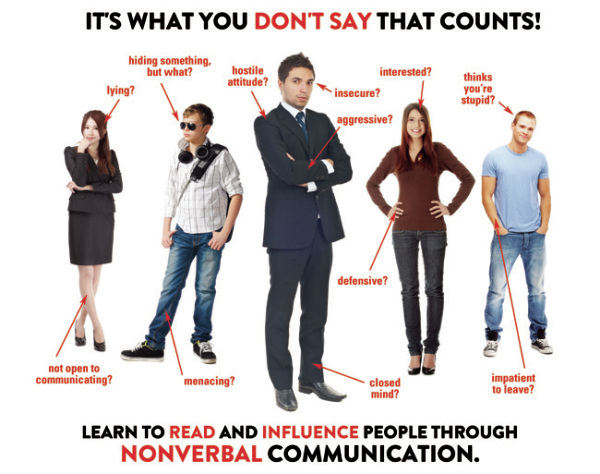
  • Look for nonverbal cues. If you are observant and aware, you can learn to pick up on the nonverbal cues that children with ASD use to communicate. Pay attention to the kinds of sounds they make, their facial expressions, and the gestures they use when they’re tired, hungry, or want something.
  • Figure out the motivation behind the tantrum. It’s only natural to feel upset when you are misunderstood or ignored, and it’s no different for children with ASD. When children with ASD act out, it’s often because you’re not picking up on their nonverbal cues. Throwing a tantrum is their way of communicating their frustration and getting your attention.
  • Make time for fun. A child coping with ASD is still a child. For both children with ASD and their parents, there needs to be more to life than therapy. Schedule playtime when your child is most alert and awake. Figure out ways to have fun together by thinking about the things that make your child smile, laugh, and come out of her/his shell. Your child is likely to enjoy these activities most if they don’t seem therapeutic or educational. There are tremendous benefits that result from your enjoyment of your child’s company and from your child’s enjoyment of spending unpressured time with you. Play is an essential part of learning for all children and shouldn’t feel like work.
  • Pay attention to your child’s sensory sensitivities. Many children with ASD are hypersensitive to light, sound, touch, taste, and smell. Some children with autism are “under-sensitive” to sensory stimuli. Figure out what sights, sounds, smells, movements, and tactile sensations trigger your kid’s “bad” or disruptive behaviors and what elicits a positive response. What does your child find stressful? Calming? Uncomfortable? Enjoyable? If you understand what affects your child, you’ll be better at troubleshooting problems, preventing situations that cause difficulties, and creating successful experiences.

Source https://www.helpguide.org/articles/autism-learning-disabilities/helping-your-child-with-autism-thrive.htm

Developmental Management

Autistic residents may be developmentally handicapped, but they can learn to adapt and grow if given the right support. The doctor and the autism specialist team may develop a long-term care plan. You may hear different or even conflicting recommendations from parents, teachers, and doctors. Be the resident’s advocate and straighten things out. Keep in mind that there is no single treatment that works for everyone. Be the doctor’s eyes and ears and report back how therapy is going.

  • Help, but not too much. Development will be slowed if the resident is coddled too much. Help develop the life skills that will serve the resident throughout their life.
  • Learn more about autism home-based and school-based treatments and interventions for autism.
  • Play and interact with the children in ways that promote social interaction skills, manage problem behaviors, and teach daily living skills and communication.
  • Take advantage of programs and specialists that are all around you.

 

Autism Resource Research Starting Points

Autism Navigator: https://autismnavigator.com/

Autism Speaks: https://www.autismspeaks.org

                                  https://www.autismspeaks.org/tool-kit

Autism Society:  https://www.autism-society.org/

https://www.autism-society.org/about-the-autism-society/contact-us/

To speak to an I&R Specialist directly, call 800-3-AUTISM (800-328-8476).

Autism Today: https://autismtoday.com/

CDC: https://www.cdc.gov/ncbddd/autism/index.html


Conclusion


The perception of autism has changed from separate individual disorders to viewing them as a whole spectrum of the same disorder.  This has shifted the emphasis from diagnosis to therapy selection and patient development. Though diagnosis could take a team of experts and years to complete, the needs of the patient can start to be fulfilled right away.

With this change comes the possibility of missed diagnosis in current residents of any type of care home. With this realization, difficult patients may belong on the autism spectrum. Caregivers must look for the signs and bring their observations to the doctor’s attention. Once a patient is diagnosed, elements of regular home living can become therapy. Because of communication and social interaction disabilities, the caregiver will need to adjust their caregiving to meet the needs of the autistic resident. This CE is just the beginning. The need for further education is self-evident.

Good luck in your ASD caregiving,

Mark Parkinson, BS Pharm


References:

Autism Spectrum Disorder. National Institute of Mental Health, NIH. 2019. https://www.nimh.nih.gov/health/topics/autism-spectrum-disorders-asd/index.shtml

Autism spectrum disorder. MayoClinic, 2019. Jan. 06, 2018. https://www.mayoclinic.org/diseases-conditions/autism-spectrum-disorder/symptoms-causes/syc-20352928

Autism Spectrum Disorders. HelpGuide 2019. https://www.helpguide.org/articles/autism-learning-disabilities/autism-spectrum-disorders.htm

Helping Your Child with Autism Thrive. HelpGuide 2019.  https://www.helpguide.org/articles/autism-learning-disabilities/helping-your-child-with-autism-thrive.htm

Autism Spectrum Disorder (ASD). Center for Disease Control and Prevention. Aug. 27 2019. https://www.cdc.gov/ncbddd/autism/facts.html

Practical Oral care for People with Autism. NIH Publication No. 09–5190 July 2009. https://www.nidcr.nih.gov/sites/default/files/2017-09/practical-oral-care-autism.pdf

Narek Israelyana, Kara Gross Margolisb, Serotonin as a Link Between the Gut-Brain-Microbiome Axis in Autism Spectrum Disorders. Pharmacol Res. 2018 Jun; 132: 1–6. NBCI. https://www.ncbi.nlm.nih.gov/pmc/articles/PMC6368356/

Autism. National Center for Complementary and Integrated Health NIH. Sep.24, 2017 . https://nccih.nih.gov/health/autism

What Drugs Are Used for Treating Autism? Applied Behavior Analysis Edu.Org 2019. https://www.appliedbehavioranalysisedu.org/what-drugs-are-used-for-treating autism/#targetText=Anticonvulsants%20are%20among%20the%20few,third%20of%20autism%20patients%20do.

Tool Kit. AutismSpeaks. 2019. https://www.autismspeaks.org/tool-kit


Exam Portal

click on [Take Exam]

Purchase membership here to unlock Exam Portal.

*Important*

Registration and login is required to place your name on your CE Certificates and access your certificate history.

Username MUST be how you want your name on your CE Certificate.

 

Guest:  Purchase Exam

Probiotic, Prebiotic, and Synbiotic Supplements … Huh?

Author: Mark Parkinson BsPharm:  President  AFC-CE

Credit Hours 1- Approximate time required: 60 min.

Educational Goal

Teach caregivers about Probiotic, Prebiotic and Synbiotic Supplements and there use in caregiving

Educational Objectives

Define the terms probiotics, prebiotics and synbiotics

Tell how they are regulated by the FDA

Show the difference between beneficial bacteria and harmful bacteria

Delineate the beneficial effects of the gut microbiome

List ways to incorporate probiotics into in home caregiving

Procedure:

Read the course materials.  2. Click on exam portal [Take Exam].  3. If you have not done so yet fill in Register form (username must be the name you want on your CE certificate).  4. Log in  5. Take exam.  6. Click on [Show Results] when done and follow the instructions that appear.  7. A score of 70% or better is considered passing and a Certificate of Completion will be generated for your records.

Disclaimer

   The information presented in this activity is not meant to serve as a guideline for patient management. All procedures, medications, or other courses of diagnosis or treatment discussed or suggested in this article should not be used by care providers without evaluation of their patients’ Doctor. Some conditions and possible contraindications may be of concern. All applicable manufacturers’ product information should be reviewed before use. The author and publisher of this continuing education program have made all reasonable efforts to ensure that all information contained herein is accurate in accordance with the latest available scientific knowledge at the time of acceptance for publication. Nutritional products discussed are not intended for the diagnosis, treatment, cure, or prevention of any disease.


Probiotic, Prebiotic, and Synbiotic Supplements … Huh?


According to the National Institute of Health (NIH):

‘The 2012 National Health Interview Survey (NHIS) showed that about 4 million (1.6 percent) U.S. adults had used probiotics or prebiotics in the past 30 days. Among adults, probiotics or prebiotics were the third most commonly used dietary supplement other than vitamins and minerals. The use of probiotics by adults quadrupled between 2007 and 2012. The 2012 NHIS also showed that 300,000 children age 4 to 17 (0.5 percent) had used probiotics or prebiotics in the 30 days before the survey.”

Without question, the word “probiotics” is getting more and more popular in today’s culture. You’re seeing the term everywhere, seemingly describing totally different products. To add to the confusion, you will also hear the terms “prebiotic” and “synbiotic” thrown around. What is a probiotic? What’s it good for? Can foster care providers use them for their residents? Do they need to be charted on a Medication Administration Record (MAR) or do they belong on the menu? Are they a food or are they therapy? We’re going clarify what these words actually mean and how they fit into caregiving.  


Definitions

Probiotics are live microorganisms that, when administered in adequate amounts, confer a health benefit to the host.

Prebiotics are nondigestible food components that selectively stimulate the growth or activity of desirable microorganisms.

Synbiotics are products that combine probiotics and prebiotics.


Being Healthy — Good Bugs vs. Bad Bugs

All over your skin and inside your guts are trillions of live microbes, mainly bacteria. They outnumber your own cells by a ratio of 10 to one. Collectively, they used to be called your microflora; now, we refer to them as your microbiome.

We are used to thinking of bacteria as villains, a source of infections and disease. We have labeled bacteria as bad bugs that cause poor health. However, in our gut reside several beneficial species of bacteria that play vital roles in digestion, immunity, and even mental health. These are good bugs that are our symbiotic partners that help us maintain good health.


What do the good bugs do that is so beneficial? To understand how they are beneficial, you first have to know what they do. Think of bacteria as chemical producers with voracious appetites. We can’t digest all the food we eat. The leftover bits and fibers flow into the lower intestinal tract where they come into contact with these little chemical factories. The bacteria produce enzymes that break down the undigested material in a process called fermentation. The bacteria then consume part of the broken-down material and produce chemical byproducts of their own. As a result of all this microbial activity we gain several benefits:


  1. Bacteria produce nutrients that are essential to good health. They are:
  • Vitamin K
  • Vitamin B12
  • Other B vitamins
  • Short-chain amino acids.
  1. The bacteria that make up our microbiome protect themselves from harmful events. In protecting themselves they also protect us by:
  • breaking down toxins that make it to the colon
  • killing cancerous cells
  • controlling the bad bugs that lead to infections.
  1. The chemicals produced by the microbiome can be sensed by the enteric nervous system, a large network of nerves that connects the brain to the gut. In essence, the microbes chemically “talk” to the brain.

This “conversation” is implicated as an important factor in many metabolic processes and disorders including:

  • mental health issues
  • migraine headache resolution
  • irritable bowel syndrome (IBS) and other gastrointestinal (GI) disorders.
  1. Proper bowel function is also dependent on the chemicals produced by the microbiome. The right mix of chemicals can help the stool move through the colon in a normal manner.   

The symbiotic relationship between our bodies and our microbiome is very complex, with trillions of interactions per hour. We are just beginning to understand the significance of all these interactions.


What We Know So Far

The vitamins produced in our gut are important in metabolic processes throughout our bodies. The only source of vitamin B12 is from bacterial fermentation. The short-chain amino acids are utilized as a food source for our cells. They also play an important role in muscle function and the prevention of chronic diseases, including certain cancers and bowel disorders. The nervous system in our gut can sense changes in the chemical compensation of the contents of our gastrointestinal (GI) tract, which reports the information directly to the brain. Recent studies have shown that this interaction plays a significant role in how we feel. It can lead to contentment or contribute to depression. By competing for food and living space, the good bugs inhibit the growth of the bad bugs all throughout the body.

There are over a thousand different kinds of bacteria in our microbiome. Different species produce different effects. Too much of one and not enough of another can throw off our metabolism. It’s all a balancing act.  Our continued good health depends on a healthy balance of the good bugs in our microbiome, which brings us to why we take prebiotics and probiotics.


Prebiotics — Feeding Our Microbiome

Just like us, our microbiome needs to be fed a healthy diet. They can only eat what we eat. If we eat a low-fiber and high-fat diet, the balance of our microbiome is affected, with a less-than-optimum outcome. A more favorable microbiome output is produced by a diet rich in fiber and other nutrients. Let’s face it, though: we do not always eat right, and our microbiome is affected. To help compensate, supplement manufacturers are producing a line of products collectively called prebiotics. They are a combination of nondigestible food components that pass through the digestive system to feed the bacteria in our colon. The idea is to selectively stimulate the growth or activity of desirable microorganisms to achieve the optimal outcome for good health. In theory, the idea is sound; in practice, the variability and vast complexity of our microbiome makes desired outcomes much harder to achieve. More research needs to be done.  


Caregiving and Prebiotics

The Food and Drug Administration (FDA) treats prebiotics not as a drug, but as a food. As such, the regulations only cover basic nutrition and harmful effects. There is no one guaranteeing that the product contains the correct nutrients any more than they would a bag of carrots.

Health claims cannot be made by the manufacturer of the supplement, so marketing and health claims are done in a roundabout way, mainly through testimonials. If you can trust the person giving the testimonial, you can have a fairly good chance of getting the desired outcome. Otherwise it’s a crapshoot. Health claim testimonials are only good for the specific product that the supposed “expert” has had experience with. There is no guarantee that product A has the same effect as product B, even if the label has the same ingredients. What that means for the caregiver is that the brand of the prebiotic supplements matters. If you want to save money by changing brands you will have to monitor its use for effect.


Prebiotics may not be regulated as a drug, but they are therapy, not food. Caregivers will have to run everything concerning prebiotics by the doctor, including brand changes. It may be easier to simply serve a balanced diet. I suppose that there could be times when a healthy diet is difficult to maintain. My recommendation is to treat prebiotics as another caregiver’s tool to be used with skill and judgment when needed.   


Probiotics — Supplementing Your Microbiome

There are all sorts of ways the bacterial makeup of your microbiome can get out of balance. It can range from antibiotic use (killing off good and bad bacteria), a compromised immune system, chronic disease states, poor nutritional choices, and just plain bad luck. Again, supplement manufacturers have stepped up to the plate and offered a solution. Why not take a dose of beneficial bacteria to augment what is already there? And there is scientific evidence that this therapeutic approach actually works.

Fermented foods go as far back as the ancient Greeks, and people of the Middle East have long used them as therapy for a host of human ills. The concept of probiotic supplements was first introduced by Élie Metchnikoff of the Pasteur Institute of Paris in 1907. He noticed that yogurt-eating people of Hungary tended to live longer. He postulated that the good bacteria in the yogurt was a contributing factor for their long life.

Today you can find probiotics in a variety of different products, from food to pills to cosmetic products. The FDA regulates probiotics in several different ways: as a food ingredient, as a supplement, and as a drug. It all depends on how the manufacturer intends their product to be used. Again, you can’t claim a health benefit unless you can prove it scientifically.

Food

Bacterial fermentation is used in the preparation of many foods. Remember the definition of a probiotic: “live” microbes that relay a health benefit. The most common probiotic foods are yogurt, kefir, kombucha, sauerkraut and kimchi. If the product has been pasteurized, all the bacteria has been killed off and it can’t be called a probiotic. Product labeling usually indicates live bacteria and yeast as “active cultured.”

Supplement

You can purchase supplement products containing a collection of good bacterial strains. Probiotics are identified by their specific strain. Product labeling will indicate a bacterial name that will include genus, species and subspecies, if applicable, or they may use a strain nickname.

For example:

Nomenclature for Sample Commercial Strains of Probiotics

Genus                    Species      Subspecies  Strain          Strain Nickname

Lactobacillus       rhamnosus none              GG             LGG

Bifidobacterium  animalis     lactis       DN-173 010   Bifidus regularis

Bifidobacterium  longum      longum      35624        Bifantis


Probiotics quantities are measured in colony-forming units (CFU), which indicates the number of viable cells at the time of manufacture. Quantities may be seen as CFU per dose; for example, 1 x 10⁹ for 1 billion CFU or 1 x 10¹⁰ for 10 billion CFU. Current labeling standards only require the manufacturer to indicate the total weight of the microorganism. It may include both live and dead cultures. The CFU may also increase or decrease as the product sits on the shelf.

Drugs

There are drug manufacturers that have gone through the rigors of scientifically proving the safety and efficacy of their product to the FDA. Many are over-the-counter products such as Culturelle Digestive Health, VSL#3 and Phillips Colon Health. Dosing is determined by the doctor or as indicated on the package. Doses are usually taken once a day.

Caregiving and Probiotics

Given the trillions of microbes in our gut, the differences between individuals’ microbiomes, and the variability of ingredients in products, the effectiveness of probiotics therapy is hard to determine. Without more research being done, probiotic use as therapy in a care home setting will be limited to certain cases and conditions. 

Probiotics are generally considered safe to use with little to no side effects for caregivers to monitor for. Although, for those with compromised immune systems, there is a chance for bacterial overgrowth. Extra monitoring for signs of infection will be required for these types of residents. Changes in bowel habits may also become problematic for caregivers.

Probiotic foods on the menu are generally not considered therapy any more than prune juice is. It is another tool to be used with skill by the caregiver. Be careful not to cross over the therapy line and use the probiotic food as a way to circumvent the doctor. When in doubt, get the doctor’s approval in writing to cover your tush.

When including probiotic foods on the menu, a few principles to remember are:

  • “Active culture” products are the most potent ones.
  • Cooking the food will kill the good bugs.
  • Serving probiotic foods during antibiotic therapy is a good way of maintaining a healthy microbiome.
  • You have to serve the foods in large enough quantities so that a portion of the live microbes make it through the stomach acid and digestive processes of the small intestine.
  • Probiotics in larger quantities given over time can and will affect bowel habits. Monitor for cramping, nausea, soft stools, flatulence, and constipation.

Pharmacology

The role of probiotics in medicine is a matter of ongoing research. In the future, I believe that you will see doctors using them more often. What research has been done has been very promising in some cases and a total bust in others.


Probiotic effect:

Promising outcomes

No effect

Obesity

Crohn’s disease

Diabetes

Ulcerative colitis

Antibiotic-induced diarrhea

Dysbiosis

High cholesterol

Hepatic encephalopathy

Irritable bowel syndrome

Upper respiratory tract infection

Atopic dermatitis

Pancreatitis

Pediatric acute infectious diarrhea

Asthma prevention


According to drugs.com the mechanisms of probiotic actions are:

“probiotics … action may include production of pathogen-inhibitory substances, inhibition of pathogen attachment, inhibition of the action of microbial toxins, stimulation of immunoglobulin A, and trophic effects on intestinal mucosa.”

There is also good evidence that the microbiome “talks” to the brain via the gut-brain axis of the enteric nervous system (ENS). Manipulation of the microbiome is currently being developed as therapy for mental health conditions. Watch for future developments to come.

Synbiotics

I haven’t covered synbiotics a whole lot. In my opinion, I don’t know how effective they would be beyond the obvious convenience of taking one product versus two. I think it’s just a marketing ploy, but they might have their uses. Anyway, we covered the basic principles in the prebiotic and probiotic sections.


Conclusion

I find it very ironic that we as health professionals try so hard to prevent the spread of bacteria, just to turn around and recommend to our patients that it might be helpful to consume more bacteria. Regardless of the irony, probiotic effectiveness has been proven in so many cases that it is now part of our culture. Foster care providers can utilize the concept of good bugs to aid in their caregiving efforts. It’s another tool for the caregiver’s toolbox to be used with skill and care.

As always, good luck in your caregiving efforts.

Mark Parkinson, BSPharm


References:

Probiotics: What You Need to Know. National Center for Complementary and Integrated Health, NIH. 2019. https://nccih.nih.gov/health/probiotics/introduction.htm

Probiotics Fact Sheet for Health Professionals. National Institute on Health Office of Dietary Supplements. June 26, 2019.  https://ods.od.nih.gov/factsheets/Probiotics-HealthProfessional/

Probiotic. Wikipedia. Dec.7 2019. https://en.wikipedia.org/wiki/Probiotic

Probiotics. Drug.com Mar. 30 2019.https://www.drugs.com/npp/probiotics.html

Prebiotics, probiotics and your health. MayoClinc. 2019. https://www.mayoclinic.org/prebiotics-probiotics-and-your-health/art-20390058

The Microbiome. Harvard T.H. Chan School of Public Health. 2019. https://www.hsph.harvard.edu/nutritionsource/microbiome/


Exam Portal

click on [Take Exam]

Purchase membership here to unlock Exam Portal.

*Important*

Registration and login is required to place your name on your CE Certificates and access your certificate history.

Username MUST be how you want your name on your CE Certificate.

 Page 12 of 24  « First  ... « 10  11  12  13  14 » ...  Last »