Vitamin E – An Advanced CE

Author: Mark Parkinson BsPharm:  President  AFC-CE

Credit Hours 3- Approximate time required: 180 min.

Educational Goal

To provide an advanced discussion on Vitamin E

Educational Objective

  • Provide a description of the chemical shape of the vitamin E molecule preferred by the body.
  • Explain Vitamin E’s roll as an antioxidant.
  • Supply the Recommended Daily Allowance and pertaining information
  • List and explain Caregiver concerns
  • Quote evidence based research

Procedure:

Read the course materials.  2. Click on exam portal [Take Exam].  3. If you have not done so yet fill in Register form (username must be the name you want on your CE certificate).  4. Log in  5. Take exam.  6. Click on [Show Results] when done and follow the instructions that appear.  7. A score of 70% or better is considered passing and a Certificate of Completion will be generated for your records.

Disclaimer

   The information presented in this activity is not meant to serve as a guideline for patient management. All procedures, medications, or other courses of diagnosis or treatment discussed or suggested in this article should not be used by care providers without evaluation of their patients’ Doctor. Some conditions and possible contraindications may be of concern. All applicable manufacturers’ product information should be reviewed before use. The author and publisher of this continuing education program have made all reasonable efforts to ensure that all information contained herein is accurate in accordance with the latest available scientific knowledge at the time of acceptance for publication. Nutritional products discussed are not intended for the diagnosis, treatment, cure, or prevention of any disease.


Vitamin E – An Advanced CE


An advanced CE about vitamin E has been requested by a subscriber, and as you all know, I take requests. The requestor has a nursing degree and wanted to have a course with a little more meat on the bone to chew on. So as fair warning to all my other subscribers, this article will be a little more challenging. Struggle is good, though; it will make you stronger. As always, I will endeavor to make this pertinent to foster caregiving, with knowledge you can use in your homes. I also would like to think that this will not be beyond the understanding of the average caregiver. I do recommend that those without medical degrees take the CE The Vitality of Vitamins before tackling this one. If this is not your flavor of ice cream, then please enjoy my other CEs. So let’s get to it.

 

Vitamin E

There is a lot of useless chatter or downright inaccuracies surrounding vitamins, none more so than vitamin E. Don’t believe everything you hear—especially from those who want you to send them money for their miracle cure. It’s true that vitamin E is an essential vitamin, but it is not the cure-all that everyone says it is. What is needed is a conversation that is backed up by good, solid evidence so that caregivers can use the information in their practice without concerns for its validity.    


More Than One Vitamin E

Vitamin E is a chemical needed for good health that is not produced by the human body. It can be found naturally in foods, as a food additive, and as a dietary supplement. The fat-soluble organic compound known as vitamin E, chemically named tocopherol, comes in eight different isoforms. Isoforms are differentiated by slightly different shapes of the same organic compound. The version preferred by our bodies is alpha-tocopherol. When we consume vitamin E, it is absorbed through the wall of the small intestine and transported to the liver. In the liver, α-tocopherol is preferentially transported to the rest of the body via a special protein called the hepatic alpha-tocopherol transfer protein. All other versions are metabolized and removed by the liver. Natural, plant-produced, α-tocopherol comes as an RRR-shaped organic molecule. Synthetically produced vitamin E usually results in a combination of different racemic versions that may not be as bio-availably active as the naturally produced molecule.
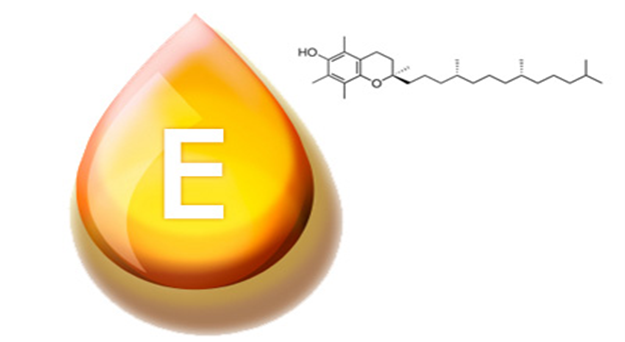
To understand the impact different shapes of the same molecule have on your body, consider your hands. They are identical, but they come in a right- and a left-hand version. If you are right-handed and all you have available is a left-handed glove, it’s kind of hard to catch a baseball. The caregiver takeaway is that the natural version produced by plants is chemically better suited to be utilized by the body. Therefore, dietary intake of vitamin E in the foods we eat is medically preferred.


Antioxidation and Vitamin E


α-Tocopherol is used by the body primarily as a fat-soluble antioxidant. To understand the significance of this chemical property, let us consider the fat molecule. Fat molecules are utilized throughout the body. They are an integral part of all cell membranes. They are transported through the bloodstream as part of a larger molecule known as a lipoprotein. Unfortunately, fat molecules are highly susceptible to damage by other molecules called free radicals.


Free Radicals and Oxidation

Free radicals are molecules that have lost at least one of their electrons. When free radicals come in contact with other molecules, they steal an electron away. When a molecule loses an electron, the reaction is called oxidation. With a missing electron, the affected molecule is not able to function as well. In addition, it becomes a free radical itself and tries to steal an electron from its neighbors. Thus, the damage is passed to other molecules. When the damaged molecules are part of a cell wall or part of the nucleus, the entire cell can become damaged. In addition to cellular damage, oxidized fat molecules are also known contributing factors of many disease states.

Free-radical molecules are all around us and in us. They are a natural byproduct of the chemical process of turning our food into energy. Our immune system produces free radicals as a weapon, to damage or kill bacteria and viruses. Free radicals are also found in our environment. They come from sources such as smoking, ultraviolet radiation, sunlight radiation, power lines, and air pollution. Fortunately, we have a protection against free radicals: antioxidants.


Antioxidants

Antioxidants are molecules that can give an electron away without becoming a free radical themselves. They stop the oxidation chain reaction that can cause so much cellular damage. Vitamin E is one of our most potent antioxidant protections. As a fat-soluble molecule, vitamin E can freely mix with the rest of the body’s fat molecules. Being thus positioned, it is available to stop oxidation when it starts to occur. Other antioxidants like vitamin C cannot mix with fats and thus are not as readily available to protect our fat molecules. In addition, vitamin A, another fat-soluble vitamin, is easily destroyed by oxidation. The antioxidant effect of vitamin E enables vitamin A to survive longer, thus potentiating its essential effect in the body.
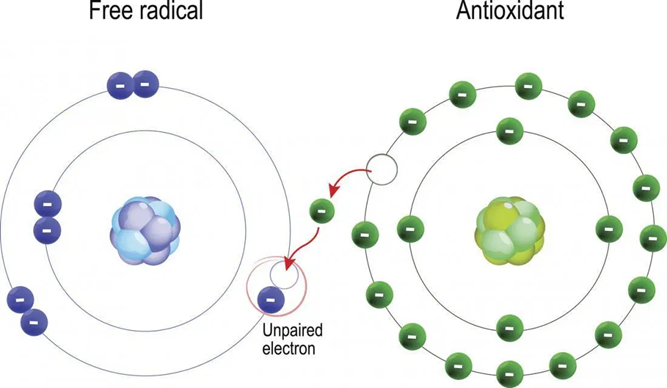
 

The caregiver takeaway is that free radicals are bad and antioxidants are good.

Other Known Functions

Vitamin E is also involved in other bodily functions, such as our immune system, regulation of gene expression, and the chemical pathways of cell signaling.

A few examples are:

  • It slows down the activity of protein kinase C, an enzyme involved in cell proliferation and differentiation in smooth muscle cells, platelets, and monocytes. In other words, it helps turn off those functions


  • When vitamin E combines with endothelial cells lining the inside surface of blood vessels, they are better able to resist blood-cell components adhering to their surface, making it harder for plaque to build up. Plaque leads to hardened and clogged arteries.


  • Vitamin E also increases the expression of two enzymes that suppress arachidonic acid metabolism. This reaction leads to an increase in the release of prostacyclin from the lining of blood vessel walls. Prostacyclin tends to dilate blood vessels and inhibit platelet aggregation.


Having Enough Vitamin E


Once the α-tocopherol molecule gives up its electron, it ceases to function as an antioxidant and must be replaced by the body. Also, the body’s regular metabolism will deplete its vitamin E stores. We find ourselves in a constant need to intake more vitamin E. But how much do we need?  


Recommended Daily Allowance (RDA)

The Food and Nutrition Board of the U.S. Institute of Medicine publishes guidelines that tell us a recommended daily allowance (RDA) of the essential vitamins and minerals we need to maintain good health. In 2000, it revised its recommendation for the daily allowance of vitamin E as follows.


Recommended Daily Allowance 

Age

mg/day

IU/day*

0–6 months

4

6

7–12 months

5

7.5

1–3 years

6

9

4–8 years

7

10.5

9–13 years

11

16.5

14 years and older

15

22.5

Nursing females

19

28.5

* IU – International Unit, as seen on the labels of some manufacturer’s bottles.

The RDA is based primarily on the concentration of α-tocopherol that protects red blood cells (erythrocytes) when exposed to hydrogen peroxide, a potent free radical source.

There are limitations to the usefulness of the RDA when it’s calculated using this method. It fails to measure the other needs of the body for vitamin E. There is also uncertainty caused by variability in what types of tocopherol are supplied to the body (remember the right- and left-hand molecule example above). In addition, the RDA amount will be inadequate when the need for vitamin E increases. For example, tobacco smoke puts extra free radicals into our bodies. Another example is that fat malabsorption conditions prevent normal absorption of vitamin E into the bloodstream. This is an important point that caregivers need to understand in greater depth.


Absorption into the Bloodstream

The full explanation of how vitamin E gets into the bloodstream from the food we eat remains unclear. We do know that bile acids and pancreatic enzymes are required for vitamin E to get from our gut into our bloodstream. We also know that when we consume a tocopherol molecule, it is combined with our dietary fat. The combination results in a chylomicron molecule that is transported through the intestinal wall. It has also been discovered that vitamin E absorption increases with the amount of fat ingested in our foods. The chylomicron then travels to the liver, where it is processed further. It is then sent into the bloodstream. Once in the bloodstream, the molecule can combine with circulating lipoproteins and be transported throughout the body.


Interference

There are numerous factors that can affect the absorption and transport of the vitamin E we consume. These factors are usually related to either genetic defects, or problems with the absorption or metabolism of dietary fats. For example, after the gall bladder is removed, the lack of bile acids will cause issues with fat- and fat-soluble vitamin metabolism. Symptoms of serious deficiencies are usually neurological problems, as seen in impaired balance and coordination, neuropathy, or muscle weakness. Retinopathy may also occur.


The caregiver takeaways are that the RDA intake of vitamin E is just the starting point—more may be needed. The caregiver should be ready to have a discussion with the resident’s doctor if deficiency symptoms start to appear.


Problems with Getting Enough Vitamin E

While serious deficiencies of vitamin E are rare, marginal deficiencies are quite common. The National Health and Nutrition Examination Surveys (NHANES) conducted by the National Center for Health Statistics demonstrated that vitamin E intake from the American diet is too low. In a series of studies conducted between 1980–1990 and 2003–2006, it was shown that more than 93 percent of American adults were below the RDA requirement. It can be concluded that a change in the average diet is needed. The question that remains is what specific changes are needed to consistently ensure that the RDA is achieved.

 

Vitamin E Food Sources


There are many foods that are rich in vitamin E that can be easily added to a normal diet. They include nuts, seeds, vegetable oils, green leafy vegetables, and vitamin-fortified cereals. Knowing how much of each item to add to the diet can be problematic. The FDA does not require food labels to list vitamin E content unless vitamin E has been added to the food. To determine how much of each food item to add to the diet, reference materials like the one listed below must be consulted.  


Vitamin E Quantities in Food

Food

Milligrams (mg)
per serving

Percent DV*

Wheat germ oil, 1 tablespoon

20.3

135

Sunflower seeds, dry roasted, 1 ounce

7.4

49

Almonds, dry roasted, 1 ounce

6.8

45

Sunflower oil, 1 tablespoon

5.6

37

Safflower oil, 1 tablespoon

4.6

31

Hazelnuts, dry roasted, 1 ounce

4.3

29

Peanut butter, 2 tablespoons

2.9

19

Peanuts, dry roasted, 1 ounce

2.2

15

Corn oil, 1 tablespoon

1.9

13

Spinach, boiled, ½ cup

1.9

13

Broccoli, chopped, boiled, ½ cup

1.2

8

Soybean oil, 1 tablespoon

1.1

7

Kiwifruit, 1 medium

1.1

7

Mango, sliced, ½ cup

0.7

5

Tomato, raw, 1 medium

0.7

5

Spinach, raw, 1 cup

0.6

4

Source: https://ods.od.nih.gov/factsheets/VitaminE-HealthProfessional/


About the DV

DV stands for daily value and is based on 15 mg per day from all food sources. It is a convenient way to compare which foods are good sources of vitamin E. Foods that contain 20 percent or more of the DV are considered to be rich sources.


Menu Planning

When considering vitamin E requirements, knowing which food and how much to add to the diet is the easy part. Trying to plan out a menu with a specific nutritional goal in mind is much more difficult. There are numerous factors that can interfere with achieving a nutritional goal, such as:
 

  • Food preferences and food allergies of the residents


  • Cooking skill of the chef


  • Cooking methods that affect how much vitamin E is consumed


  • Other dietary needs that affect vitamin E quantities (e.g., low-fat diets would reduce the amount of fat-dependent vitamin E absorption in the intestine)


  • Health conditions that affect digestion and fat absorption.


The caregiver takeaway is unless you’re a registered dietitian, achieving the RDA with just menu planning will be challenging. Taking a vitamin supplement may be required.


Supplements


The average American diet supplies about 7.2 mg of vitamin E per day for adults. This level is well below the 15 mg per day RDA. In addition, the typical foster care resident is far from average. Your residents have extra needs and special circumstances that warrant taking vitamin supplements. If one of your residents is not taking vitamin supplements, it might be time to have a conversation with the doctor about that. But first, let me share with you a few details about vitamin E and supplements in general so that you can have an informed conversation with the doctor.

 

Variety of Vitamins

There is an overwhelming number of choices in purchasing vitamin supplements. There are liquid vitamins, naturally sourced vitamins, synthetic vitamins, and chewable and gummy varieties. I even remember seeing a chewing gum vitamin for children. Here are a few considerations that will help make sense of it all.

  • Naturally sourced vitamins may be more potent. For example, vitamin E from plant sources will provide one form of α-tocopherol, while synthetic sources contain a variety of isoforms. The result is 100 IU of natural vitamin E provides 67 mg of RRR-α-tocopherol, the form preferred by the body, while 100 IU of a synthetic vitamin E provides only 45 mg of RRR-α-tocopherol.


  • Vitamin supplements are just that—supplemental to what you take in from your diet. Don’t get caught up in the details of a particular brand or trying get the exact amount to satisfy the RDA. The effort is just not necessary. For example, vitamin E supplements typically far exceed the RDA. I randomly looked at two common multivitamin brands. One had 167 percent and the other had 150 percent of the RDA. That’s more than enough, even if they are synthetic sources.


  • Vitamin supplements come in different forms that the caregiver can take advantage of, such as liquid and chewable varieties for those who have troubles swallowing, gummy varieties for those who hate pills, etc. Have the doctor write the prescription for that specific variety.


  • As a supplement, vitamins are not regulated by the FDA. That means the government regulates the quantities but not the quality of the supplement.


A Word About Topical Vitamin E

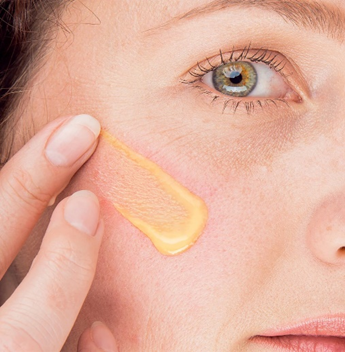
Vitamin E is added to many skin products. Its fat solubility and antioxidant properties make it a desirable ingredient in products that claim antiaging and healing abilities. There are some medical studies that back up some of these claims. The therapeutic effects of these products are mostly topical, though. Almost none of the vitamin E is absorbed into the bloodstream. The skin has both fat-soluble and water-soluble qualities. Being only fat-soluble, vitamin E cannot make it past the skin barrier. Since the effects are mostly cosmetic, I will not be covering any further details except for two items:

  1. There are those who like to pop the gel versions and spread the oil over the skin. Caregivers beware, that crosses over into the therapy zone and you have to get the doctor’s permission.
  2. There are some studies that show a therapeutic benefit of vitamin E for eczema and psoriasis sufferers. In these cases, it might be worth it to have the conversation with the doctor. See the following articles if you want more details.

https://www.ncbi.nlm.nih.gov/pmc/articles/PMC4976416/

https://www.ncbi.nlm.nih.gov/pmc/articles/PMC4755091/


Other Caregiver Considerations


Can you take too much vitamin E? The answer is yes. Normally, in a foster care setting, it’s very hard to do, so it’s not really a caregiver concern. But there are some circumstances that need careful caregiver considerations. Most of the time, there will not be any significant health issues, though it is an easy thing for the doctor to have overlooked tocopherol’s side effects. If there are any concerns, have a talk with the doctor.
 

Blood Clotting

Vitamin E may inhibit vitamin K-dependent carboxylase activity and interfere with the coagulation cascade. This will lead to impaired blood clotting. Normally at doses less than 1,000 mg a day, the effect will be negligible. It might even be helpful in preventing strokes cause by blood clots (ischemic strokes). But there are circumstances when things aren’t normal.


  • Surgery – If the resident is scheduled for any type of procedure that may cause significant bleeding (including dental procedures), it may be wise to ask the doctor if they wish to discontinue the vitamin E supplement a few weeks before surgery.


  • Blood thinners – The doctor should be consulted about vitamin E supplements if the resident is on any of the following drugs: Heparin, warfarin (Coumadin), clopidogrel (Plavix), ticlopidine (Ticlid), tirofiban (Aggrastat), and dipyridamole (Aggrenox).


  • Painkillers – Non-steroidal anti-inflammatories (NSAIDS) and aspirin can also thin the blood. In my opinion, though, unless the resident is on a continual dose, it is not worth bringing the issue up with the doctor.


Retinitis Pigmentosa

Residents with retinitis pigmentosa should avoid higher doses of vitamin E. In a study of 601 patients with common forms of retinitis pigmentosa (RP) supplementation with 400 IU/day of synthetic vitamin E (equivalent to 180 mg/day of RRR-α-tocopherol) modestly but significantly accelerated the loss of retinal function compared to placebo. Any dose above the RDA of α-tocopherol would warrant a discussion with the doctor. 


Other Health Concerns

Caregivers should talk with the doctor about vitamin E supplements if the resident has any of the following conditions:

  • Liver failure
  • Bleeding peptic ulcer
  • Hemophilia
  • History of hemorrhagic stroke (stroke caused by bleeding in the brain area)


Drug Interactions

Vitamin E, in all its isomeric forms, is a chemical that can interact with and change the effect of other chemicals in the body. There are many drugs that interact with vitamin E. In my opinion, the following are the ones that can have a significant interaction:
  • Mephyton
  • Phenobarbital
  • Phenytoin (Dilantin)
  • Carbamazepine (Tegretol)
  • Cyclosporine (Neoral, Sandimmune)
  • Ketoconazole (Nizoral)
  • Itraconazole (Sporanox)
  • Cancer drugs (vitamin E might lessen their effects)

If you see any of these medications on the resident’s MARS, increase your side-effect monitoring until you’re satisfied that no issues are occurring. You can also bring up any drug concerns with your pharmacist.


Herbs

Just to be complete, there are herbs that can potentiate the blood-thinning side effect of vitamin E. These would be fish oil, garlic, or Ginkgo biloba supplements. In my opinion, they are not a big deal unless there are other serious underlying health concerns like the ones mentioned above.  


The caregiver takeaway is that vitamin E supplements can have significant interactions with health problems and other drugs and herbs. The larger the dose of vitamin E or the more serious the resident’s condition, the greater the need for close patient monitoring.


The Role of Vitamin E and Diseases


Many health claims have been attributed to the taking of vitamin E supplements. The reason for these assertions needs to be examined first to help determine which to pay attention to and which to ignore.

As an antioxidant, and as a chemical component of cellular mechanisms, vitamin E has the potential of affecting every cell in our body. Whether it actually affects a cell is hard to determine. In order to determine an actual event, you have to be able to measure an effected biomarker. A biomarker is a measurable substance in an organism whose presence is indicative of a biological occurrence. Currently, it is very hard to find biomarkers relating to vitamin E metabolism. Without vitamin E biomarkers, there are many who make claims that are based on the potential effect of vitamin E without the actual evidence that proves it. When such claims come under the scrutiny of outcomes research, some of these claims are questionable at best.  

 

Next Generation Researchers Initiative | grants.nih.govResearch Evidence


I am just an old country pharmacist who has spent a lot of time in care homes. I am in no way any kind of research specialist. I am uncomfortable writing in my own words about research studies I know little about. So, I am just going to quote verbatim from some trusted sources that I have found.



Vitamin E Fact Sheet for Health Professionals, National Institutes of Health (NIH)

Source:  https://ods.od.nih.gov/factsheets/VitaminE-HealthProfessional/


Coronary heart disease

Evidence that vitamin E could help prevent or delay coronary heart disease (CHD) comes from several sources. In vitro studies have found that the nutrient inhibits oxidation of low-density lipoprotein (LDL) cholesterol, thought to be a crucial initiating step for atherosclerosis. Vitamin E might also help prevent the formation of blood clots that could lead to a heart attack or venous thromboembolism.

Several observational studies have associated lower rates of heart disease with higher vitamin E intakes. One study of approximately 90,000 nurses found that the incidence of heart disease was 30 to 40 percent lower in those with the highest intakes of vitamin E, primarily from supplements. Among a group of 5,133 Finnish men and women followed for a mean of 14 years, higher vitamin E intakes from food were associated with decreased mortality from CHD.

However, randomized clinical trials cast doubt on the efficacy of vitamin E supplements to prevent CHD. For example, the Heart Outcomes Prevention Evaluation (HOPE) study, which followed almost 10,000 patients at high risk of heart attack or stroke for 4.5 years, found that participants taking 400 IU/day of natural vitamin E (268 mg) experienced no fewer cardiovascular events or hospitalizations for heart failure or chest pain than participants taking a placebo. In the HOPE-TOO follow-up study, almost 4,000 of the original participants continued to take vitamin E or placebo for an additional 2.5 years. HOPE-TOO found that vitamin E provided no significant protection against heart attacks, strokes, unstable angina, or deaths from cardiovascular disease or other causes after 7 years of treatment. Participants taking vitamin E, however, were 13 percent more likely to experience, and 21 percent more likely to be hospitalized for, heart failure, a statistically significant but unexpected finding not reported in other large studies.

The HOPE and HOPE-TOO trials provide compelling evidence that moderately high doses of vitamin E supplements do not reduce the risk of serious cardiovascular events among men and women >50 years of age with established heart disease or diabetes. These findings are supported by evidence from the Women’s Angiographic Vitamin and Estrogen study, in which 423 postmenopausal women with some degree of coronary stenosis took supplements with 400 IU vitamin E (form not specified) and 500 mg vitamin C twice a day or placebo for >4 years. Not only did the supplements provide no cardiovascular benefits, but all-cause mortality was significantly higher in the women taking the supplements.

The latest published clinical trial of vitamin E’s effects on the heart and blood vessels of women included almost 40,000 healthy women ≥45 years of age who were randomly assigned to receive either 600 IU of natural vitamin E (402 mg) on alternate days or placebo and who were followed for an average of 10 years. The investigators found no significant differences in rates of overall cardiovascular events (combined nonfatal heart attacks, strokes, and cardiovascular deaths) or all-cause mortality between the groups. However, the study did find two positive and significant results for women taking vitamin E: they had a 24 percent reduction in cardiovascular death rates, and those ≥65 years of age had a 26 percent decrease in nonfatal heart attack and a 49 percent decrease in cardiovascular death rates.

The most recent published clinical trial of vitamin E and men’s cardiovascular health included almost 15,000 healthy physicians ≥50 years of age who were randomly assigned to receive 400 IU synthetic alpha-tocopherol (180 mg) every other day, 500 mg vitamin C daily, both vitamins, or placebo. During a mean follow-up period of 8 years, intake of vitamin E (and/or vitamin C) had no effect on the incidence of major cardiovascular events, myocardial infarction, stroke, or cardiovascular morality. Furthermore, use of vitamin E was associated with a significantly increased risk of hemorrhagic stroke.

In general, clinical trials have not provided evidence that routine use of vitamin E supplements prevents cardiovascular disease or reduces its morbidity and mortality. However, participants in these studies have been largely middle-aged or elderly individuals with demonstrated heart disease or risk factors for heart disease. Some researchers have suggested that understanding the potential utility of vitamin E in preventing CHD might require longer studies in younger participants taking higher doses of the supplement. Further research is needed to determine whether supplemental vitamin E has any protective value for younger, healthier people at no obvious risk of CHD.


Cancer

Antioxidant nutrients like vitamin E protect cell constituents from the damaging effects of free radicals that, if unchecked, might contribute to cancer development. Vitamin E might also block the formation of carcinogenic nitrosamines formed in the stomach from nitrites in foods and protect against cancer by enhancing immune function. Unfortunately, human trials and surveys that have attempted to associate vitamin E intake with cancer incidence have found that vitamin E is not beneficial in most cases.

Both the HOPE-TOO Trial and Women’s Health Study evaluated whether vitamin E supplements might protect people from cancer. HOPE-TOO, which followed men and women ≥55 years of age with heart disease or diabetes for 7 years, found no significant differences in the number of new cancers or cancer deaths between individuals randomly assigned to take 400 IU/day of natural vitamin E (268 mg) or a placebo. In the Women’s Health Study, in which healthy women ≥45 years of age received either 600 IU of natural vitamin E (402 mg) every other day or a placebo for 10 years, the supplement did not reduce the risk of developing any form of cancer.

Several studies have examined whether vitamin E intake and/or supplemental vitamin E affects the risk of developing prostate cancer. A prospective cohort study of >29,000 men found no association between dietary or supplemental vitamin E intake and prostate cancer risk. However, among current smokers and men who had quit, vitamin E intakes of more than 400 IU/day (form not specified) were associated with a statistically significant 71 percent reduction in the risk of advanced prostate cancer. In a clinical trial involving 29,133 male smokers, men randomly assigned to take daily supplements of 111 IU of synthetic vitamin E (50 mg, as dl-alpha-tocopheryl acetate) for 5–8 years had 32 percent fewer prostate cancers compared to subjects who did not take the supplements. Based in part on the promising results of this study, a large randomized clinical trial, called the SELECT trial, began in 2001 to determine whether 7–12 years of daily supplementation with 400 IU of synthetic vitamin E (180 mg, as dl-alpha-tocopheryl acetate), with or without selenium (200 mcg, as L-selenomethionine), reduced the number of new prostate cancers in 35,533 healthy men age 50 and older. The trial was discontinued in October 2008 when an analysis found that the supplements, taken alone or together for about 5.5 years, did not prevent prostate cancer. Results from an additional 1.5 years of follow-up from this trial (during which the subjects no longer received vitamin E or selenium), showed that the men who had taken the vitamin E had a 17 percent increased risk of prostate cancer compared to men only taking placebos, a statistically significant difference. The risk of developing prostate cancer was also slightly increased in subjects taking vitamin E plus selenium or selenium alone, but the differences were not statistically significant. No differences were found among groups in the incidence of lung or colorectal cancers or all cancers combined. Study staff members will continue to monitor participants’ health for up to 5 more years. The National Cancer Institute website provides additional information on the SELECT trial.

One study of women in Iowa provides evidence that higher intakes of vitamin E from foods and supplements could decrease the risk of colon cancer, especially in women <65 years of age [34]. The overall relative risk for the highest quintile of intake (>35.7 IU/day, form not specified) compared to the lowest quintile (<5.7 IU/day, form not specified) was 0.32. However, prospective cohort studies of 87,998 women in the Nurses’ Health Study and 47,344 men in the Health Professionals Follow-up Study failed to replicate these results. Although some research links higher intakes of vitamin E with decreased incidence of breast cancer, an examination of the impact of dietary factors, including vitamin E, on the incidence of postmenopausal breast cancer in >18,000 women found no benefit from the vitamin.

The American Cancer Society conducted an epidemiologic study examining the association between use of vitamin C and vitamin E supplements and bladder cancer mortality. Of the almost one million adults followed between 1982 and 1998, adults who took supplemental vitamin E for 10 years or longer had a reduced risk of death from bladder cancer; vitamin C supplementation provided no protection.

Evidence to date is insufficient to support taking vitamin E to prevent cancer. In fact, daily use of large-dose vitamin E supplements (400 IU of synthetic vitamin E [180 mg]) may increase the risk of prostate cancer.


Eye Disorders

Age-related macular degeneration (AMD) and cataracts are among the most common causes of significant vision loss in older people. Their etiologies are usually unknown, but the cumulative effects of oxidative stress have been postulated to play a role. If so, nutrients with antioxidant functions, such as vitamin E, could be used to prevent or treat these conditions.

Prospective cohort studies have found that people with relatively high dietary intakes of vitamin E (e.g., 20 mg/day [30 IU]) have an approximately 20 percent lower risk of developing AMD than people with low intakes (e.g., <10 mg/day [<15 IU]). However, two randomized controlled trials in which participants took supplements of vitamin E (500 IU/day [335 mg] d-alpha-tocopherol in one study and 111 IU/day (50 mg) dl-alpha-tocopheryl acetate combined with 20 mg/day beta-carotene in the other or a placebo failed to show a protective effect for vitamin E on AMD. The Age-Related Eye Disease Study (AREDS), a large randomized clinical trial, found that participants at high risk of developing advanced AMD (i.e., those with intermediate AMD or those with advanced AMD in one eye) reduced their risk of developing advanced AMD by 25 percent by taking a daily supplement containing vitamin E (400 IU [180 mg] dl-alpha-tocopheryl acetate), beta-carotene (15 mg), vitamin C (500 mg), zinc (80 mg), and copper (2 mg) compared to participants taking a placebo over 5 years. A follow-up AREDS2 study confirmed the value of this and similar supplement formulations in reducing the progression of AMD over a median follow-up period of 5 years.

Several observational studies have revealed a potential relationship between vitamin E supplements and the risk of cataract formation. One prospective cohort study found that lens clarity was superior in participants who took vitamin E supplements and those with higher blood levels of the vitamin. In another study, long-term use of vitamin E supplements was associated with slower progression of age-related lens opacification. However, in the AREDS trial, the use of a vitamin E-containing (as dl-alpha-tocopheryl acetate) formulation had no apparent effect on the development or progression of cataracts over an average of 6.3 years. The AREDS2 study, which also tested formulations containing 400 IU (180 mg) vitamin E, confirmed these findings.

Overall, the available evidence is inconsistent with respect to whether vitamin E supplements, taken alone or in combination with other antioxidants, can reduce the risk of developing AMD or cataracts. However, the formulations of vitamin E, other antioxidants, zinc, and copper used in AREDS hold promise for slowing the progression of AMD in people at high risk of developing advanced AMD.


Cognitive Decline

The brain has a high oxygen consumption rate and abundant polyunsaturated fatty acids in the neuronal cell membranes. Researchers hypothesize that if cumulative free-radical damage to neurons over time contributes to cognitive decline and neurodegenerative diseases, such as Alzheimer’s disease, then ingestion of sufficient or supplemental antioxidants (such as vitamin E) might provide some protection. This hypothesis was supported by the results of a clinical trial in 341 patients with Alzheimer’s disease of moderate severity who were randomly assigned to receive a placebo, vitamin E (2,000 IU/day dl-alpha-tocopherol), a monoamine oxidase inhibitor (selegiline), or vitamin E and selegiline. Over 2 years, treatment with vitamin E and selegiline, separately or together, significantly delayed functional deterioration and the need for institutionalization compared to placebo. However, participants taking vitamin E experienced significantly more falls.

Vitamin E consumption from foods or supplements was associated with less cognitive decline over 3 years in a prospective cohort study of elderly, free-living individuals aged 65–102 years [49]. However, a clinical trial in primarily healthy older women who were randomly assigned to receive 600 IU (402 mg) d-alpha-tocopherol every other day or a placebo for ≤4 years found that the supplements provided no apparent cognitive benefits. Another trial in which 769 men and women with mild cognitive impairment were randomly assigned to receive 2,000 IU/day vitamin E (form not specified), a cholinesterase inhibitor (donepezil), or placebo found no significant differences in the progression rate of Alzheimer’s disease between the vitamin E and placebo groups.

In summary, most research results do not support the use of vitamin E supplements by healthy or mildly impaired individuals to maintain cognitive performance or slow its decline with normal aging. More research is needed to identify the role of vitamin E, if any, in the management of cognitive impairment.



Vitamin E, Oregon State University, Linus Pauling Institute

Source: https://lpi.oregonstate.edu/mic/vitamins/vitamin-E


Age-Related Deterioration of Immune Function

A randomized, placebo-controlled trial in 617 nursing home residents (≥65 years of age) reported that daily supplementation with 200 IU of synthetic α-tocopherol (90 mg of RRR-α-tocopherol) for one year significantly lowered the risk of contracting upper respiratory tract infections, especially the common cold, but had no effect on lower respiratory tract (lung) infections. More research is needed to examine whether supplemental vitamin E might enhance immune function and reduce risk of infection in older adults.


Type 2 Diabetes Mellitus

Oxidative stress contributes to the progression of type 2 diabetes mellitus and causes damage to many organs and tissues, including the pancreas, brain, eyes, peripheral nerves, and kidneys. Evidence from animal studies suggests that vitamin E supplementation could mitigate the role of oxidative damage in the occurrence of diabetes complications. In the Alpha-Tocopherol Beta-Carotene cancer prevention (ATBC) trial in male smokers, supplementation with 50 mg/day of synthetic α-tocopherol (25 mg/day of RRR-α-tocopherol) had no effect on the risk of incident type 2 diabetes mellitus during the 19-year post-intervention follow-up. Likewise, supplemental vitamin E intake during the trial made no difference on the incidence of macrovascular complications or mortality in participants with established type 2 diabetes. In addition, a meta-analysis of 14 heterogeneous randomized controlled trials, including 714 type 2 diabetic individuals, found that supplementation with vitamin E (200-1,800 IU/day for 6-27 weeks) had no effect on markers of glycemic control, including glycated hemoglobin A1c (HbA1c) level and measures of fasting glucose and fasting insulin concentrations. Further subgroup analyses indicated that higher doses of vitamin E (>400 IU/day) supplemented for longer periods (>12 weeks) significantly reduced HbA1c level and fasting insulin concentration, suggesting that vitamin E could possibly enhance insulin action and glucose disposal in type 2 diabetic individuals. Another recent meta-analysis of randomized controlled trials found that endothelial function in normal-weight and overweight—but not obese—patients with type 2 diabetes was significantly improved by supplementation with vitamin E and/or vitamin C. Although there is reason to suspect that vitamin E supplementation may have utility in the management of type 2 diabetes, evidence for benefit from large, well-controlled clinical trials is still lacking.


The caregiver takeaway is that many health claims of vitamin E products are in actuality just unproven theories of potential benefits. Only those claims based on actual clinical outcome studies are worth your attention.


Conclusion

 

How’s that for a CE with some meat on the bone? I hope that satisfied the appetites of my more advanced subscribers without losing the interest of everyone else. To recap, the topics I have covered are as follows:

  1. Vitamin E is an important component in maintaining the good health of your residents. The antioxidant properties and other chemical interactions are just too important to take for granted.
  2. As caregivers who control the menu, you are in a good position to plan diets that are rich in naturally occurring alpha-tocopherol. Even with good menu planning, supplementation may be required.
  3. Taking a vitamin E supplement is not the end to caregiver concerns. Monitoring the resident may be required if there are underlying conditions that warrant closer observations.
  4. With so many vitamin E products making medical claims, caregivers should concern themselves only with those whose claims are backed up by hard clinical evidence.

As always, good luck with your caregiving.

Mark Parkinson, BS Pharm.


References

Jane Higdon, Ph.D. Victoria J. Drake, Ph.D. Vitamin E. Oregon State University,  Linus Pauling Institute. Micronutrient Information Center. Nov 2008

https://lpi.oregonstate.edu/mic/vitamins/vitamin-E

Vitamin E, Fact Sheet for Health Professionals. National Institute of Health, Office of Dietary Supplements. 2020 https://ods.od.nih.gov/factsheets/VitaminE-HealthProfessional/

Vitamin E. MayoClinic.org. 2020 https://www.mayoclinic.org/drugs-supplements-vitamin-e/art-20364144

Zawn Villines. Ten benefits of vitamin E oil. MedicalNewsToday.com. Jan 29, 2020 https://www.medicalnewstoday.com/articles/318168#Risks-and-considerations


Exam Portal

click on [Take Exam]

Purchase membership here to unlock Exam Portal.

*Important*

Registration and login is required to place your name on your CE Certificates and access your certificate history.

Username MUST be how you want your name on your CE Certificate.
Vitamins – Health or Hype?

Author: Mark Parkinson BsPharm:  President  AFC-CE

Credit Hours 1- Approximate time required: 60 min.


Educational Goal

Provide a more scientifically based understanding of the effect and use of vitamins.

Educational Objective

  • Expose the fallacy of some myths about the benefits of vitamins.
  • Provide a list of vitamins and explain how vitamins got their names
  • Explain the chemical basis of how vitamins work
  • Discuss the consequences of under and overdosing
  • Tell about the difference between synthetic natural supplements
  • Discuss factors that affect how much vitamins we get from our diet

Procedure:

Read the course materials.  2. Click on exam portal [Take Exam].  3. If you have not done so yet fill in Register form (username must be the name you want on your CE certificate).  4. Log in  5. Take exam.  6. Click on [Show Results] when done and follow the instructions that appear.  7. A score of 70% or better is considered passing and a Certificate of Completion will be generated for your records.

Disclaimer

   The information presented in this activity is not meant to serve as a guideline for patient management. All procedures, medications, or other courses of diagnosis or treatment discussed or suggested in this article should not be used by care providers without evaluation of their patients’ Doctor. Some conditions and possible contraindications may be of concern. All applicable manufacturers’ product information should be reviewed before use. The author and publisher of this continuing education program have made all reasonable efforts to ensure that all information contained herein is accurate in accordance with the latest available scientific knowledge at the time of acceptance for publication. Nutritional products discussed are not intended for the diagnosis, treatment, cure, or prevention of any disease.


Vitamins – Health or Hype?

The recent Covid-19 health crisis has created a new desire in people to get and remain healthy. There are many who are turning to half-remembered health lessons about healthy eating and vitamin supplements. Over the years, though, those memories have been tainted by advertisers, pseudoscientists and well-meaning but uninformed friends and family. It’s time to cut through all the hype and get to the real facts about health and vitamins.

Before we get started, I have a few questions for caregivers. Should foster caregivers worry about vitamins? Isn’t that the doctor’s job to decide which pills are needed? Isn’t it true that a normal, healthy person can get all the vitamins they need in a balanced diet? On the other hand, are your residents considered to be normal? Don’t they need something more to feel normal, like vitamins? How do you balance a diet for optimal vitamin intake? Can you take too many vitamins?

Let’s see if we can find some answers.


What are vitamins?


I went online to see what advertisers have to say about vitamin supplements.

“Discover total wellness for mind, body and home. Quality backed immune support. Energizers with more invigorating nutrients. Great top-rated selection of vitamins for energy. The best vitamins for energy and weight loss, natural, organic…” 

Advertisers make it sound like vitamins are on-demand miracles. Wonder pills, magically harvested from nature. They don’t come right out and say it, but they imply that if you need more of some health benefit (energy, wellness, or a multitude of other claims), all you have to do is take their product. The result of all this advertising is that popular myths arise that are just not true. 

What vitamins really are is a group of powerful chemical compounds— synthetically produced or derived from the foods we consume—that have the following properties:

  • They are organic molecules, meaning they contain several carbon atoms in their structure.
  • They are a micronutrient, needed in small quantities only.
  • They are essential for a healthy body. Without them, we grow sick and die.
  • They act predominantly as regulators of metabolic processes.
  • They are not broken down to produce energy or used as a structural component to build up the parts of our bodies.
  • The body can’t make them or cannot produce them in sufficient quantities to maintain good health. We have to either get them from the foods we eat or take a vitamin supplement.


What are their names?

There are 13 recognized vitamins: A, B1, B2, B3, B5, B6, B7, B9, B12, C, D, E, and K. Most of them are not a single chemical compound but are a group of related molecules that share similar chemical structures and chemical names.

  • vitamin A (as all-trans-retinol, all-trans-retinyl-esters, as well as all-trans-beta-carotene and other provitamin A carotenoids)
  • vitamin B1 (thiamine)
  • vitamin B2 (riboflavin)
  • vitamin B3 (niacin)
  • vitamin B5 (pantothenic acid)
  • vitamin B6 (pyridoxine)
  • vitamin B7 (biotin)
  • vitamin B9 (folic acid or folate)
  • vitamin B12 (cobalamins)
  • vitamin C (ascorbic acid)
  • vitamin D (calciferols)
  • vitamin E (tocopherols and tocotrienols)
  • vitamin K (phylloquinone and menaquinones)


Why the funny alphabet names?


Vitamins were unknown before 1910. The ability to identify minute chemical compounds in the body just did not exist. Then, in Japan, and later, in England, a group of chemicals was discovered that seemed to be vital for maintaining good health. Kazimierz Funk, a Polish biochemist working in London, described them as vital-amines (amines are compounds containing nitrogen). Publications later shortened the name to vitamines. The term was soon used to describe other chemical compounds that were essential for good health. Instead of giving the chemical name, writers found it was easier to call them vitamine A, B, C, and so forth. The name vitamine was used even when there was no amine group in the compound. For clarity, the name was shortened to simply vitamin. As our biochemistry knowledge grew, further adjustments to the naming systems had to occur. For example, folic acid was originally called vitamin M. Then it was reclassified to vitamin B9. Vitamin G (riboflavin) become Vitamin B2, and so forth. The word vitamin soon made its way into advertising and popular culture. What was once a shortcut name for medical writers became the word that everyone used.


What do vitamins do?


Vitamins are biochemical compounds that are involved in multiple chemical processes throughout the body. They provide vital components that enable chemical processes to occur. They do not provide energy; they enable us to more efficiently get energy from the foods we eat. They don’t make strong bones; they enable our body to make strong bones. They do not provide immunity; they enable the body to protect itself.

In other words. taking vitamins does not give extra abilities. They facilitate the proper functioning of the body. It appears that you are getting extra, when in fact you are just functioning closer to your original natural potential. The truth of the matter is taking more vitamins will never enable you to get extra power or ability.


Vitamin groups: fat soluble vs. water soluble  

Vitamins are functionally organized into two categories: fat soluble and water soluble. This grouping is based on whether the chemical compounds mix easily with water or oils and fats. It is a very important factor that can determine how the vitamin is absorbed, distributed, and stored in the body. It is also a major factor in how the body handles excess amounts of the vitamin.

Water-soluble vitamins are C and the B complex (B1–B12). They follow the water. Wherever the water goes, that is where the vitamins are found. They are absorbed along with the water in the digestive tract. They flow into the bloodstream and are carried along with the current. Unless the body stores them away, they are peed out when we urinate. Because of the ready loss, our supply of water-soluble vitamins needs replacing often. 

The fat-soluble vitamins are A, D, E, and K. They follow the fats and oils of the foods we eat. Since they do not mix with water easily, fat-soluble vitamins need help getting into and around in the body. That assistance is found in the gallbladder and its bile acids, which facilitate these vitamins’ absorption in the intestine. Special transport proteins also help them get through cell walls and move around in the bloodstream. The fat-soluble vitamins are easily stored in the lipid components of our tissues and cells. The quantities of fat-soluble vitamins tend to last longer in the body, so their need for resupply is less than that of the water-soluble vitamins.


Under-dosed and over-dosed

Bodily functions, at their most basic level, run on chemical processes. Every action the body takes is dependent on step-by-step chemical activities. The chemicals we know as vitamins are key components of many of the body’s chemical procedures. Without a vitamin compound present, the chemical reactions cannot occur. We feel that lack of chemical activity as weakness, being tired, and failure to thrive. If the lack of a specific chemical activity becomes severe enough, we start to feel a set of symptoms, and we call that a disease. A lack of vitamin C results in scurvy. A lack of vitamin D results in rickets. Thiamine, beriberi; niacin, pellagra; folate, neural tube defects; and so forth. In modern diets, it is fairly easy to get enough vitamins to avoid disease states. So today, the main emphasis is getting enough vitamins to thrive. 


DRI

Getting enough vitamins to thrive has always been a tricky thing. Circumstances vary considerably between individuals and our knowledge of the role of vitamins is constantly changing. To assist in determining how much is enough, governments around the world have gathered experts who publish intake recommendations. In the United States, the Food and Nutrition Board of the Institute of Medicine, National Academy of Sciences, has published the Dietary Reference Intakes (DRI).

DRI is the general term for a set of reference values used to plan and assess nutrient intakes of healthy people. These values, which vary by age and sex, include:

Recommended Dietary Allowance (RDA): average daily level of intake sufficient to meet the nutrient requirements of nearly all (97%-98%) healthy people.

Adequate Intake (AI): established when evidence is insufficient to develop an RDA and is set at a level assumed to ensure nutritional adequacy.”

Source: https://ods.od.nih.gov/HealthInformation/Dietary_Reference_Intakes.aspx


The DRI is the reference used in determining the nutrition facts that are required to be published on the packaging of the foods and supplements we consume. To make the information easier to use, the nutritional facts are published as a percentage of the recommended dietary allowance (RDA) per serving of the product.


Overdose

Chemical reactions occur when compounds come into contact with each other. The greater the concentrations of compounds, the more reactions occur. It is an automatic occurrence, and they happen even if we don’t want them to. For example, vitamin C is an antioxidant used in our immune system, but it can also create kidney stones. Taking too much vitamin C, for some people, will cause very painful problems.

Under normal circumstances, getting too many vitamins from our diet is not a problem. But toxic levels of vitamins can occur if too many supplements are taken on a continuing basis. Toxic levels are a particular concern for the fat-soluble vitamins, where large quantities can be easily stored in the fat stores of our body.


  • Vitamin C. Although vitamin C has relatively low toxicity, high doses of it can cause gastrointestinal disturbances, including diarrhea, cramps, nausea, and vomiting. Migraines can occur at doses of 6 grams per day.


  • Vitamin B3 (niacin). When taken in the form of nicotinic acid, niacin can lead to high blood pressure, abdominal pain, impaired vision, and liver damage when consumed in high doses of 1–3 grams per day.


  • Vitamin B6 (pyridoxine). Long-term overconsumption of B6 can cause severe neurological symptoms, skin lesions, sensitivity to light, nausea, and heartburn, with some of these symptoms occurring at intakes of 1–6 grams per day.


  • Vitamin B9 (folate). Taking too much folate or folic acid in supplement form may affect mental function, negatively impact the immune system, and mask a potentially severe vitamin B12 deficiency.


  • Vitamin A. While vitamin A toxicity, or hypervitaminosis A, can occur from eating vitamin-A-rich foods, it’s mostly associated with supplements. Symptoms include nausea, increased intracranial pressure, coma, and even death.


  • Vitamin D. Toxicity from taking high doses of vitamin D supplements can lead to dangerous symptoms, including weight loss, appetite loss, and irregular heartbeat. It can also raise blood calcium levels, which can lead to organ damage.


  • Vitamin E. High-dose vitamin E supplements may interfere with blood clotting, cause hemorrhages, and lead to hemorrhagic stroke.

Source: https://www.healthline.com/nutrition/can-you-overdose-on-vitamins


To assist in preventing hyper-vitamin quantities, the DRI also publishes the tolerable upper intake level (UL), which is the maximum daily intake unlikely to cause adverse health effects in healthy individuals. If caregivers start to see troubling symptoms of vitamin overdose, consult with the doctor.


Natural vs. synthetic


The “natural” way of getting the vitamins we need is from the food we eat. Simple to understand, but more complicated to actually achieve. There are many factors that can prevent us from getting a sufficient supply of the chemical compounds we need. Poor health, bad diet choices, picky eaters, genetic defects, unhealthy lifestyles, and stress can all combine to create a need to take additional vitamins from supplements.

Vitamin supplements can be divided into two groups: naturally produced or synthetically derived. Naturally produced means that the chemical compounds were created by plants and animals. Synthetically produced means that the compounds were manufactured by using chemical reactions.

Chemically speaking, the body doesn’t care where the vitamin comes from. As long as the compound is the right shape and has all the right components, it will get the job done.

Economically speaking, naturally produced vitamins usually cost more. This is partly due to advertising hype. People are fooled into thinking that “natural” means better so they will pay more for the product. The main reason for the extra cost comes from the fact that it takes a lot more effort to produce naturally sourced vitamins. You have to harvest the food source, isolate the parts that have the vitamin compound, remove the vitamin, concentrate its supply, and then package it in a consumable form. It’s ironic that naturally sourced vitamins require so many unnatural processes.


Bioavailability

There is one factor in the natural versus synthetic debate to consider that may be significant: bioavailability. Bioavailability is the term that describes how much of a drug or chemical is delivered to its site of action. Naturally-sourced vitamin products usually have a higher bioavailability, meaning a larger percentage of the active chemical gets to where it’s needed. The reason for that is very complicated. It involves advanced organic chemistry so I will spare you the details. If you are curious and want to know more, read the Vitamin E CE for a more detailed explanation. For most circumstances, though, bioavailability does not have as much impact as one might think. Most patients rely on their diet to supply the majority of their vitamins. The amount of supplementally supplied vitamins getting to the site of action is not very critical. Only for those with a very restricted diet or who have a comprised digestive system does bioavailability become significant. Residents with NG tubes or gastric bypasses come to mind.

Bioavailability is also a factor in the vitamins we get from our diet. Not all the vitamins in our food get to where they are needed in our body. The vitamin molecule can be broken up (denatured) by heat, acid, or alcohol. Some vitamin molecules can become oxidized when exposed to air, while others are leached or dissolved into the cooking water and never consumed. This is a particular factor for the water-soluble vitamins.

Getting enough vitamins from the foods we eat

There are many publications listing which foods are rich in which vitamin. They can be useful in planning a balanced diet. But—and this is just my opinion—there are those who take these lists far too seriously. I might be a bit too cynical but consulting a list of vitamin-rich foods does not guarantee a person will get enough vitamins. Dietary intake of vitamins is too complex an issue. It involves multiple factors that affect a vitamin’s bioavailability. For example, it may appear that eating raw fruits and vegetables gives you more vitamins. But cooking food helps break down plant cell walls, making it easier to digest and intake more vitamins. Cooking also enhances flavors, making it easier to eat greater quantities of vitamin-containing foods, thus getting more vitamins. Just to complicate the issue further, boiling vitamin-rich foods reduces the vitamin intake unless the vegetable water is also consumed.

My advice to caregivers is unless you want to hire a trained nutritionist to plan your weekly menus, I wouldn’t stress too much about these lists of vitamin-rich foods. Just be responsible in your menu planning. Cook a lot from scratch and include lots of color on the plate. Ironically, taking vitamin supplements can reduce the need to worry about naturally sourced vitamins.  


Effects of cooking

Vitamin

Soluble in Water

Stable to Air Exposure

Stable to Light Exposure

Stable to Heat Exposure

Vitamin A

no

partially

partially

relatively stable

Vitamin C

very unstable

yes

no

no

Vitamin D

no

no

no

no

Vitamin E

no

yes

yes

no

Vitamin K

no

no

yes

no

Thiamine (B1)

highly

no

?

> 100°C

Riboflavin (B2)

slightly

no

in solution

no

Niacin (B3)

yes

no

no

no

Pantothenic Acid (B5)

quite stable

no

no

yes

Vitamin B6

yes

?

yes

< 160°C

Biotin (B7)

somewhat

?

?

no

Folic Acid (B9)

yes

?

when dry

at high temp

Cobalamin (B12)

yes

?

yes

no

Source: https://en.wikipedia.org/wiki/Vitamin


Conclusion

A lot of misinformation and misconceptions have accumulated in our culture about the subject of vitamins. This has led people (and sometimes caregivers) to develop unrealistic expectations about what vitamins can do for them. When those expectations are not met, inevitably questions arise. Knowing the facts about vitamins leads to a better overall understanding and more easily achieved outcomes. Hopefully, after reading the CE, you have had some of your questions answered—or at least have been given enough facts so that you can answer the questions your residents are asking.

As always, good luck in your caregiving.

Mark Parkinson, BS Pharm


References:

Ginnie Trinh Nguyen. How do vitamins work?. TED-Ed. Oct 6, 2014. https://www.youtube.com/watch?v=ISZLTJH5lYg

Vitamin and Mineral Supplement Fact Sheets. National Institute of Health, Office of Dietary Supplements. 2020

https://www.fda.gov/consumers/consumer-updates/fortify-your-knowledge-about-vitamins

Vitamins and Minerals: How to Get What You Need. Family Doctor.org American Academy of Family Physicians 2020.

https://familydoctor.org/vitamins-and-minerals-how-to-get-what-you-need/?adfree=true

Vitamin. Wikipedia. 6 November 2020. https://en.wikipedia.org/wiki/Vitamin

Vitamins and Minerals, Are You Getting What You Need?. Help Guide.org Harvard Health. 2020. https://www.helpguide.org/harvard/vitamins-and-minerals.htm

Kenneth Carpenter. Vitamin, chemical compound. Britannica. 2020. https://www.britannica.com/science/vitamin/Regulatory-role\


Exam Portal

click on [Take Exam]

Purchase membership here to unlock Exam Portal.

*Important*

Registration and login is required to place your name on your CE Certificates and access your certificate history.

Username MUST be how you want your name on your CE Certificate.


Caregiver Primer on Contact Lenses

Author: Mark Parkinson BsPharm:  President  AFC-CE

Credit Hours 2- Approximate time required: 120 min.

Educational Goal

Enable caregiver support of residents with contact lenses.

Educational Objective

  • Help the care provider to decide whether or not to allow contact use in their homes
  • List the reasons why people wear contacts
  • Give a basic understanding of the types of contacts in use
  • Tell what will be required to maintain the different types of contacts.
  • Instruct how to prevent infections and eye damage caused by contact use
  • Provide examples of the consequences of not following contact use instructions

Procedure:

Read the course materials.  2. Click on exam portal [Take Exam].  3. If you have not done so yet fill in Register form (username must be the name you want on your CE certificate).  4. Log in  5. Take exam.  6. Click on [Show Results] when done and follow the instructions that appear.  7. A score of 70% or better is considered passing and a Certificate of Completion will be generated for your records.

Disclaimer

   The information presented in this activity is not meant to serve as a guideline for patient management. All procedures, medications, or other courses of diagnosis or treatment discussed or suggested in this article should not be used by care providers without evaluation of their patients’ Doctor. Some conditions and possible contraindications may be of concern. All applicable manufacturers’ product information should be reviewed before use. The author and publisher of this continuing education progra

m have made all reasonable efforts to ensure that all information contained herein is accurate in accordance with the latest available scientific knowledge at the time of acceptance for publication. Nutritional products discussed are not intended for the diagnosis, treatment, cure, or prevention of any disease.


Caregiver Primer on Contact Lens


In-home caregivers are amazing health professionals. With little or no training, they step up to the plate and take care of any and every need their residents have. There is no shirking of responsibility, no passing the buck to another. They just shoulder the responsibility and sees that the job gets done.

One such duty is contact lens care. It does not happen often, but there are times when a resident who wears contact lenses moves into a care home. The care provider suddenly finds themselves having to manage an activity of daily living that most caregivers are ill-prepared for. This course will attempt to prepare the caregiver to move forward with managing this responsibility.


The Reasons for Contacts

Should a care home allow one of its residents to wear contacts? It is a care-home-policy decision that every care homeowner may have to face. Finding the answer comes from balancing the labor requirement of maintaining the new activity of daily living and the perceived need for contacts. Why does a person wear contacts? Are the reasons worth the extra effort that will be required by the resident and the caregiver? 

Contact lenses, also known as just contacts, are thin lenses made of varying materials that are placed directly on the surface of the eyes. Medically known as ocular prosthetic devices, contacts are worn to correct vision, enhance appearance or for other cosmetic purposes, and to apply a specific medical therapy. Worldwide, over 150 million people wear contacts at least part of the time. The average age of a contact wearer is 31, and two-thirds of all people who wear contacts are women. Each year, $11.7 billion is spent on contacts or contact care products.

Individual reasons for wearing contacts vary from person to person. In addition to correcting vision problems, there are several additional advantages that contacts have over traditional glasses.

They are:

  • Aesthetics – contact wearers think they look better without glasses.
  • Contacts do not fog up.
  • It is easier to wear sunglasses and goggles with contacts.
  • Contact lenses move with your eye, allowing a natural field of view.
  • Contacts have no frames to obstruct vision and greatly reduce distortions.
  • Peripheral vision improves.
  • You do not have to reach for or keep track of glasses.
  • There are certain eye conditions that are better corrected with contacts.

Caregivers must find out all of the reasons why a resident wears their contacts. They then can better decide if they will allow their use in their home. Here is a gem of advice that comes from my own caregiver experience: Contacts can make a resident feel better about themselves and happy—and content residents are easier to take care of. Don’t underestimate the power of a positive self-image on the tranquility of your home. 


The Types of Contacts

Not all contacts are the same. There is a surprising amount of variety in the type of contacts that a resident can wear.  Before a decision to allow contacts is made, the caregiver must find out what type of contacts their residents have or will have. The type of contact will determine how much maintenance is involved. Caregivers must understand how and when the contacts are to be used, how they are maintained, and when to replace them.


The concept of contact lenses to correct vision is centuries old. Leonardo da Vinci first introduced the idea of altering vision by placing a person’s head in a clear glass bowl filled with water. Since then, advances in science, materials, and manufacturing technologies have given us the wide variety of products that are used today. Each type of product has its own purpose and instructions for use. It would be too confusing to discuss each product type. I will simplify matters by reducing the types to just Hard vs Soft contacts and extended ware versus disposable lens.


Hard vs. Soft

The first contacts were made of glass and were very uncomfortable to wear. They were replaced by the plastic polymethyl methacrylate (PMMA), also called Plexiglas. These hard contact lenses were more comfortable than glass to wear and gave excellent optics. Unfortunately, they also blocked oxygen from getting to the cornea, which put a limit on contact use. PMMA lenses were replaced by rigid gas-permeable lenses (RGP) made of materials that allowed oxygen to get to where it is needed. This greatly enhanced the wearability of the hard contact lens.


Compared to soft contacts, hard contact lenses are easier to handle, more durable, and less likely to tear. They tend to be less expensive over the life of the lens because they last longer than soft contacts. They are also less likely to have foreign material build up on their surfaces. Initially, hard contacts take longer to get used to wearing than soft contacts. It may take a few weeks to get comfortable wearing RGP lenses, compared to several days for soft contacts. When properly cared for, RGP contacts can last for months to years before they need replacing. Because of their rigid nature, RGP contacts may also be used for other therapeutic effects.


By far, the most common type of contacts that caregivers will encounter will be soft contacts. In the United States, about 76 percent of all contact lens prescriptions are for soft contacts. They are preferred because of their comfort and ease of use. Soft contacts are made out of soft flexible plastics, also called hydrogels. They are flexible enough to conform to the surface of the cornea, making them more comfortable to wear. Newer hydrogels incorporate silicone, which permits even more oxygen to reach the cells of the eye. This allows for extended periods of contact use. 


Daily vs. Extended vs. Continuous

While we’re awake, the eye is exposed to enough oxygen to allow contact use without any problems. But at night, when the eyes are closed, the gas permeability factor of the contact becomes much more critical. Without enough oxygen reaching the eye, optic cells can die, causing ulcers on the surface of the eye to form.

There are three basic categories of contacts, based on their oxygen permeability:

  • Daily wear —used while awake and must be removed during periods of sleep, including long naps, unless approved by the doctor.
  • Extended wear — can be worn overnight, usually for seven days consecutively without removal.
  • Continuous wear — can be worn for up to 30 consecutive nights, the maximum amount of time allowed by the FDA.


Replacement Schedule

No matter the type of contacts the resident has, they will eventually need to be replaced. For various reasons, contacts only last so long and need to be exchanged with a new pair. Hard contacts last the longest, while some disposable soft contacts are designed to be replaced on a daily basis. Each type has its advantages. As far as the caregiver is concerned, the longer the replacement schedule, the more important the lens care maintenance instructions become. Each set of contacts will come with instructions detailing when to best replace the old lenses with new. If the instructions are missing, contact the eye doctor for advice.

In general:

  • Daily disposable lenses — discard after a single day of wear
  • Disposable lenses — discard every two to four weeks
  • Frequent replacement lenses — discard monthly or quarterly
  • RGP lenses — discard every six months or longer
  • PMMA — can last for five years or more

Caregiver note: Daily disposable contacts require no maintenance because they are thrown out after one use. Those contacts that must be removed nightly and stored away for the next day’s use are the most labor-intensive lenses. Which contacts are chosen is a balancing act between cost, ability of the resident to handle the contact, and your willingness to be responsible for supervising the extra maintenance steps.


How to Use Contacts

A resident who has contacts will have been taught how to use them by the doctor. Whether the resident follows those instructions is a different matter. Even the most cooperative patient can pick up bad habits. The Centers for Disease Control and Prevention (CDC) reports “Between 40%-90% of contact lens wearers do not properly follow the care instructions for their contact lenses. Approximately 99% of respondents reported at least one contact lens hygiene behavior previously associated with an increased risk of eye infection or inflammation.”

As a caregiver, you are not in a position to teach or advise the resident on proper contact use. But you can question the resident by asking if that was how the doctor initially taught them to use their prescription. You can also monitor and report any difficulties or abnormalities to the eye doctor. It is also your responsibility to ensure that the appropriate supplies are always handy. I recommend that you read the written material that came with the contacts and compare that with what you observe.

General instructions for use are:

Applying

  1. Wash hands (but don’t use soaps that have added oils or fragrances as they can stick to the surface of the lens)
  2. Gently shake the lens storage case to loosen the contact lens if it is sticking to the container. Carefully slide the lens into your hand. Use your fingertips (not your nails) to handle the lens.
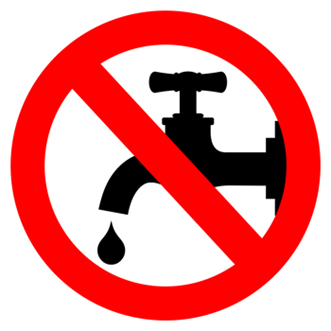
  3. Fully rinse the lens with contact lens solution. Do not use tap water to rinse the lens.
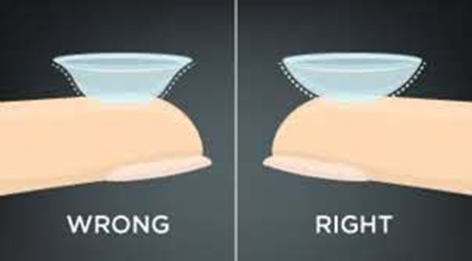
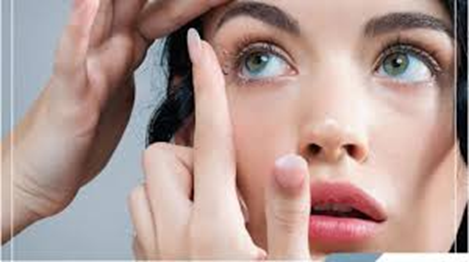
  4. Place the contact lens on the tip of your pointer (index) or middle finger of your dominant hand (the hand you write with). Look closely at the lens to check for torn or damaged areas. Also, make sure the lens is right-side out. If the lens forms a bowl and the edges turn up, it is ready to be placed on the eye. If the lens looks like a lid (edges turn out), it needs to be reversed.
  5. Hold your upper eyelid open with your other (non-dominant) hand while looking in the mirror. Hold down your lower eyelid with your middle or ring finger of the dominant hand (whichever finger is not holding the contact lens). Or, you may also use your thumb and fingers of your non-dominant hand to open your upper and lower eyelids very wide instead.
  6. Place the lens on your eye. You can look in front of you or up toward the ceiling while putting the lens in.
  7. Close your eyes slowly and roll them in a full circle to help settle the lens properly in place. You may also gently massage your closed eyelid. Then open your eyes and gently blink a few times. Look in a mirror to see if the lens is centered on your eye.

Source: https://www.aao.org/eye-health/glasses-contacts/how-to-put-in-contact-lenses

 Removing

First, wash and dry your hands before removing any lenses. To take out soft lenses, pull down your lower lid. Look up or to the side, and gently move your lens to the white of your eye. Using your thumb and index finger, gently pinch the lens and lift it off your eye. For gas-permeable lenses, open your eyes wide and pull the skin near the corner of your eye toward your ear. Bend over your open palm and blink. The lens should pop out into your palm.

Source: https://www.allaboutvision.com/contacts/contact-lens-tips.htm


Notes for the Caregiver

  • The kind of soap you supply to the contact wearer matters. The soap and all of its ingredients must be able to rinse off completely. The rule of thumb is that if you can smell a scent or feel a lotion after rinsing, that substance will stick to the surface of the contact and cause problems.
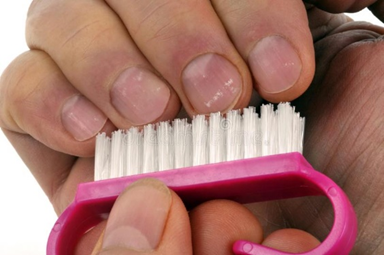
  • Fingernail hygiene matters to contact wearers. Help your resident keep their fingernails trimmed and clean.
  • Towel hygiene also matters to contact wearers. Ensure that there is always a lint-free, clean towel handy to dry the hands.
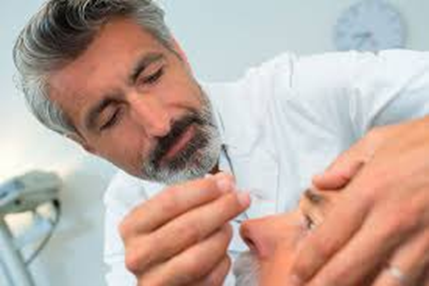
  • Encourage the contact wearer to inspect the contacts closely before putting them into the eye. If the contact feels uncomfortable after it is inserted, remove it and rinse the contact with the appropriate solution. If the contact continues to be uncomfortable, you inspect the contact for damage and the eye for inflammation. If the problem continues or if there are signs of infection or an allergic response, have the resident use their regular glasses. Then get the resident to the eye doctor.


Show and Tell

There are those who follow instructions better if they are shown what to do. You can ask for suggested video links from the doctor or view the following videos. I like these because it is an actual eye doctor putting in real contacts into his own eyes. Consider watching these videos as part of this course.


For those who are not computer savvy, click on the link to watch the video. If the video replaces this lesson screen, after you are done watching the video, click on the back arrow—usually it will be in the top left-hand corner. It will bring you to come back to this course. Or you can simply reload the course from afc-ce.com.  

                                   Inserting: https://www.youtube.com/watch?v=wlPyYkq3LnY

                                                               Removing: https://www.youtube.com/watch?v=kq2WRc99on4


The Care of Contacts


Our eyes are very delicate tissues. In order to survive in our germ-infested and dirt-clogged world, our eyes have a very impressive array of protective mechanisms. Improperly cared-for contact lenses can compromise those defenses and can lead to damaged eye tissues. Once the tissue has been damaged, germs, single-cell parasites, and other such nasties can invade and grow into a full-blown infection very quickly.

To prevent such damaging outcomes, the patient will have been given a set of instructions on how to take care of the lenses. But as contact lenses are a medical device, caregivers are responsible for ensuring that contact care instructions are followed. To help you more effectively monitor these activities, let us discuss some important concepts of lens care. Here is another video to get us started on explaining how to take care of contacts.

https://www.youtube.com/watch?v=CaeSkPAykkU


Monitoring Concept 1 – Comfort

After the resident has gotten used to wearing contacts, discomfort is an important warning sign that something is wrong. Inspection should follow. If no obvious cause is evident, have the resident wear glasses and contact the doctor. It might just be that the eyes are fatigued and need a break from contact use, but you should let the doctor decide that. If it is just a matter of dry eyes causing the discomfort, get a prescription for a dry-eye relief product. Don’t forget to have a doctor’s “permission to self-medicate” order on file. 


Monitoring Concept 2 – Cleaning and Disinfecting

General Instructions for Reusable Soft Contact Lenses:

The Contacts

Protein in the resident’s tears or foreign material from the environment can adhere to the lens and build up over time. This film can compromise the eye’s defenses and cause irritation. To prevent film buildup, do the following.

  • Before removing the contacts from the eyes, fill each chamber of the case with “fresh” contact lens disinfecting solution. Do not top off old solution.
  • Remove contacts from the eyes, one lens at a time. Place the lens in the clean, dry palm of your hand, and apply a few drops of your contact lens disinfecting solution. With one finger, gently rub the lens back and forth on your palm to clean the lens surfaces.
  • After rubbing each side of the lens, rinse them completely with more solution. Then place the lens into your clean contact lens case.
  • Repeat the procedure for the next lens. Close the case lids and leave your lenses to soak overnight.


The Contact Case

  • When not being used, store the lenses in the contact lens case provided with the product.
  • After removing the lenses from the case, empty the case and clean it as directed. It might be as simple as pouring out the solution, placing the case upside down, and then letting it air dry.
  • Infection-causing biofilms can build up on lens cases. They should be replaced as recommended, usually every three months. When in doubt, replace it.
  • Use only the approved solutions to clean the case.


Monitoring Concept 3 – Using Solutions Correctly

Contact lenses are made out of specialized materials that require specialized cleaning and care solutions. These solutions are designed to accomplish many tasks all at once and so are called contact care systems. The two most commonly used soft contact lens care systems are based on a multipurpose solution and a hydrogen peroxide solution.

Multi-purpose solution

Multi-purpose solutions are a combination of products that, clean, rinse, disinfect, and store contact lenses with one product. They are generally considered easier to use with fewer safety concerns than hydrogen peroxide systems. Their ease of use and low cost have made them the most commonly used product for lens care. Unfortunately, there are those who develop allergies or other sensitivities to one or more of the ingredients and require a hydrogen peroxide-based system.

Hydrogen peroxide solution

Hydrogen peroxide (HP) is a very reactive chemical that disrupts the bonding of other materials. It cleans off materials sticking to the surface of lenses and kills infectious organisms. Over time, the HP solution breaks down and changes into a normal saline solution. It is safe to store the lens in and will not harm the eye tissue. HP systems contain materials that speed up the breakdown process, neutralizing the solution sooner. Even with these materials, it will take about four to six hours before the HP is completely neutralized. To avoid accidently putting HP solutions into the eye, each bottle comes with a red warning tip.

If the resident still accidently puts HP into their eye or experiences stinging or burning when they insert the contact lens, remove the contact and flush the eye with a sterile saline solution. If an HP system is used, caregivers should store a bottle of sterile saline solution in their first-aid kit. If, after rinsing, the eye is still painful, call or get the resident to the doctor. Eye damage from HP is usually not permanent.

HP solutions degrade and lose potency over time. Multi-purpose solutions become less effective and saline solution becomes less sterile with time. Caregivers need to discard and replace these products as recommended by the manufacturer.

Other solutions that the caregiver may encounter are:

  • Daily Cleaners – Daily cleaners are used only to loosen materials from the contact lenses. Other products, such as multi-purpose solutions, are needed to rinse and disinfect the lenses before they are stored in the contact lens case.
  • Enzymatic Protein Removers – EPRs are an additional product used to remove the biofilm that collects on lenses. They are supplied in solution or tablet form and are used either on a daily or weekly basis.


General Instructions for Hard Contact Lenses:

Hard contacts and rigid gas-permeable contacts are custom-made for the patient and require their own maintenance systems. Hard contact care systems usually require several different solutions for wetting, cleaning, and disinfecting. Though these steps may be similar to those for soft contacts, caregivers need to familiarize themselves with the specific requirements as supplied by the hard contact manufacturer. If the written material is lost, contact the eye doctor. Do not rely upon the memory of the resident. Except for sterile saline solutions, hard contact solutions cannot be used for soft contacts.

Notes for Caregivers

  • Residents with contacts are required to see the eye doctor more often. Question the resident on when they last saw their eye doctor. Keep track of future appointments in their files.
  • Continually monitor contact use. Watch for these common failings:
    • inadequate handwashing
    • non-prescribed overnight wear (accidental or intentional)
    • excessive duration of extended wear
    • excessive lens replacement interval
    • inadequate case cleaning
    • failure to use correct disinfecting solution (e.g., no disinfection or stored in tap water)
    • failure to rub and rinse lenses
    • topping off solution (e.g., not replacing with fresh solution for each storage occasion)
  • Monitor resident’s eyes for:
    • Dry eyes
    • Irritated, red eyes
    • Worsening pain in or around the eyes
    • Light sensitivity
    • Sudden blurry vision
    • Unusually watery eyes
    • Goopy or crusty eyes
  • Brands matter in contact solution selection. Even generic versions may not be compatible with newer versions of contact lenses. Consult with the eye doctor if you are presented with a new brand of eye-care product.
  • Expiration dates matter in contact care products. Take note of the expiration date on the container and replace outdated products.
  • Other eye-care products and eye medications may not be suitable with contacts. Get the advice and approval of the eye doctor before using any of these products. Do not rely on the pharmacist in these cases. Their knowledge may not be deep enough in these areas.
  • Contacts can be stored in their cases only for a limited time before having to disinfect them again. If you are storing the contacts multiple times or for long periods, it might be wiser to switch to daily disposables. The following timeframes are based on tightly closed lids. Consult the instructional materials for product-specific times.
    • Multipurpose solution – Up to 1 month.
    • Gas permeable solutions – Up to 1 month
    • Hydrogen peroxide – Up to 1 week, but as short as 24 hours
  • If contacts are dropped and land on the ground, it is safer to sanitize the contacts before using them again. It might require the resident using their regular glasses while they wait.
  • Never use tap water with anything contact-related. That includes swimming, pools, bathing, and showers. Infectious material in tap water that usually causes no problems can be become a significant health threat in contact use.


The Dangers of Improper Contact Use

The following patient cases, along with an accompanying video, can be found at the CDC website. https://www.cdc.gov/contactlenses/videos.html. The videos are not part of the course, but I do recommend watching them.


Ryan’s Story—Water and Contacts Don’t Mix

Alabama football player Ryan first noticed a painful problem with his left eye on his way to a championship game. He had a habit of rinsing his contact lenses in water if he didn’t have disinfecting solution. Ryan was diagnosed with Acanthamoeba keratitis, an infection caused by an organism that lives in water. He now has a scar in his eye that makes it difficult to see and will eventually need to have a major eye procedure to correct his vision.


Te’s Story—Don’t Sleep in Contacts

Te’ had been wearing contacts for about 14 years and would sometimes sleep in her lenses for up to two weeks at a time. On her wedding day, she woke up with a painful corneal infection and had severe vision loss within 24 hours. Te’ is still recovering and advises others to properly clean their contacts and not to sleep in them.


Whitney’s Story: Keep Water Away from Contacts

After wearing contact lenses for over 20 years, freelance writer, and mom of three teens Whitney was diagnosed with Acanthamoeba keratitis in 2015. She temporarily lost all vision in her left eye for several months. Looking back, her best guess is that the infection was caused by water that got on her lenses when she showered in her contacts. Whitney is back to wearing contacts and advises other contact lens wearers to practice healthy wear and care habits.


Patient Story: Jim

After improperly storing his contact lenses, Jim got an eye infection that led to severe vision loss in one eye. He waited for two years before he was able to get a corneal transplant to repair the damaged eye.


Conclusion

For 150 million people, contact lenses are a preferred way of seeing the world more clearly. They are willing to take on the responsibilities that are involved in maintaining their contacts. If one of those patients moves into your care home, those responsibilities are now your responsibility to monitor. By constant communication with the eye doctor, reading the instructional material, and ensuring the resident follows the doctor’s orders and adheres to the product’s instructions, the caregiver can ensure the proper and safe use of contact lenses by their residents.

As always, good luck in your caregiving efforts.

Mark Parkinson, BS Pharm


References:

Contact Lens Care. AOA.org. American Optometric Association. 2020

https://www.aoa.org/healthy-eyes/vision-and-vision-correction/contact-lens-care?sso=y

Kelsey Giara, PharmD. Contact Lenses: Choosing the Right Solutions. Power-Pak CE. UAN: 0430-0000-20-110-H01-P. Sep 30, 2020.

https://www.powerpak.com/course/preamble/120275

Healthy Contact Lens Wear and Care. Center for Disease Control and Prevention. 2020

https://www.cdc.gov/contactlenses/index.html

Contact lens. Wikipedia. 2020

https://en.wikipedia.org/wiki/Contact_lens

Types of Contact Lenses. AOA.org. American Optometric Association. 2020.

https://www.aoa.org/healthy-eyes/vision-and-vision-correction/types-of-contact-lenses?sso=y

Here’s Why Hydrogen Peroxide is an Excellent Contact Lens Solution. Berryessa Optometry. Nov 26, 2019

https://www.berryessaoptometry.com/2019/11/26/hydrogen-peroxide-contact-lens-solution-2019/

Types of Contact Lenses. US FDA Food and Drug Administration. Jan 16 2018

https://www.fda.gov/medical-devices/contact-lenses/types-contact-lenses#plano

Cleaning Your Contacts. Acuvue.com. 2020

https://www.acuvue.com/wear-and-care/contact-lens-cleaning-and-care


Caregiver Primer on Contact Lenses

Author: Mark Parkinson BsPharm:  President  AFC-CE

Credit Hours 2- Approximate time required: 120 min.

Educational Goal

Enable caregiver support of residents with contact lenses.

Educational Objective

  • Help the care provider to decide whether or not to allow contact use in their homes
  • List the reasons why people wear contacts
  • Give a basic understanding of the types of contacts in use
  • Tell what will be required to maintain the different types of contacts.
  • Instruct how to prevent infections and eye damage caused by contact use
  • Provide examples of the consequences of not following contact use instructions

Procedure:

Read the course materials.  2. Click on exam portal [Take Exam].  3. If you have not done so yet fill in Register form (username must be the name you want on your CE certificate).  4. Log in  5. Take exam.  6. Click on [Show Results] when done and follow the instructions that appear.  7. A score of 70% or better is considered passing and a Certificate of Completion will be generated for your records.

Disclaimer

   The information presented in this activity is not meant to serve as a guideline for patient management. All procedures, medications, or other courses of diagnosis or treatment discussed or suggested in this article should not be used by care providers without evaluation of their patients’ Doctor. Some conditions and possible contraindications may be of concern. All applicable manufacturers’ product information should be reviewed before use. The author and publisher of this continuing education program have made all reasonable efforts to ensure that all information contained herein is accurate in accordance with the latest available scientific knowledge at the time of acceptance for publication. Nutritional products discussed are not intended for the diagnosis, treatment, cure, or prevention of any disease.


Caregiver Primer on Contact Lens

In-home caregivers are amazing health professionals. With little or no training, they step up to the plate and take care of any and every need their residents have. There is no shirking of responsibility, no passing the buck to another. They just shoulder the responsibility and sees that the job gets done.

One such duty is contact lens care. It does not happen often, but there are times when a resident who wears contact lenses moves into a care home. The care provider suddenly finds themselves having to manage an activity of daily living that most caregivers are ill-prepared for. This course will attempt to prepare the caregiver to move forward with managing this responsibility.

The Reasons for Contacts

Should a care home allow one of its residents to wear contacts? It is a care-home-policy decision that every care homeowner may have to face. Finding the answer comes from balancing the labor requirement of maintaining the new activity of daily living and the perceived need for contacts. Why does a person wear contacts? Are the reasons worth the extra effort that will be required by the resident and the caregiver? 

Contact lenses, also known as just contacts, are thin lenses made of varying materials that are placed directly on the surface of the eyes. Medically known as ocular prosthetic devices, contacts are worn to correct vision, enhance appearance or for other cosmetic purposes, and to apply a specific medical therapy. Worldwide, over 150 million people wear contacts at least part of the time. The average age of a contact wearer is 31, and two-thirds of all people who wear contacts are women. Each year, $11.7 billion is spent on contacts or contact care products.

Individual reasons for wearing contacts vary from person to person. In addition to correcting vision problems, there are several additional advantages that contacts have over traditional glasses.


They are:


  • Aesthetics – contact wearers think they look better without glasses.
  • Contacts do not fog up.
  • It is easier to wear sunglasses and goggles with contacts.
  • Contact lenses move with your eye, allowing a natural field of view.
  • Contacts have no frames to obstruct vision and greatly reduce distortions.
  • Peripheral vision improves.
  • You do not have to reach for or keep track of glasses.
  • There are certain eye conditions that are better corrected with contacts.

Caregivers must find out all of the reasons why a resident wears their contacts. They then can better decide if they will allow their use in their home. Here is a gem of advice that comes from my own caregiver experience: Contacts can make a resident feel better about themselves and happy—and content residents are easier to take care of. Don’t underestimate the power of a positive self-image on the tranquility of your home. 

The Types of Contacts

Not all contacts are the same. There is a surprising amount of variety in the type of contacts that a resident can wear.  Before a decision to allow contacts is made, the caregiver must find out what type of contacts their residents have or will have. The type of contact will determine how much maintenance is involved. Caregivers must understand how and when the contacts are to be used, how they are maintained, and when to replace them.


The concept of contact lenses to correct vision is centuries old. Leonardo da Vinci first introduced the idea of altering vision by placing a person’s head in a clear glass bowl filled with water. Since then, advances in science, materials, and manufacturing technologies have given us the wide variety of products that are used today. Each type of product has its own purpose and instructions for use. It would be too confusing to discuss each product type. I will simplify matters by reducing the types to just Hard vs Soft contacts and extended ware versus disposable lens.


Hard vs. Soft

The first contacts were made of glass and were very uncomfortable to wear. They were replaced by the plastic polymethyl methacrylate (PMMA), also called Plexiglas. These hard contact lenses were more comfortable than glass to wear and gave excellent optics. Unfortunately, they also blocked oxygen from getting to the cornea, which put a limit on contact use. PMMA lenses were replaced by rigid gas-permeable lenses (RGP) made of materials that allowed oxygen to get to where it is needed. This greatly enhanced the wearability of the hard contact lens.


Compared to soft contacts, hard contact lenses are easier to handle, more durable, and less likely to tear. They tend to be less expensive over the life of the lens because they last longer than soft contacts. They are also less likely to have foreign material build up on their surfaces. Initially, hard contacts take longer to get used to wearing than soft contacts. It may take a few weeks to get comfortable wearing RGP lenses, compared to several days for soft contacts. When properly cared for, RGP contacts can last for months to years before they need replacing. Because of their rigid nature, RGP contacts may also be used for other therapeutic effects.


By far, the most common type of contacts that caregivers will encounter will be soft contacts. In the United States, about 76 percent of all contact lens prescriptions are for soft contacts. They are preferred because of their comfort and ease of use. Soft contacts are made out of soft flexible plastics, also called hydrogels. They are flexible enough to conform to the surface of the cornea, making them more comfortable to wear. Newer hydrogels incorporate silicone, which permits even more oxygen to reach the cells of the eye. This allows for extended periods of contact use. 


Daily vs. Extended vs. Continuous

While we’re awake, the eye is exposed to enough oxygen to allow contact use without any problems. But at night, when the eyes are closed, the gas permeability factor of the contact becomes much more critical. Without enough oxygen reaching the eye, optic cells can die, causing ulcers on the surface of the eye to form.


There are three basic categories of contacts, based on their oxygen permeability:

  • Daily wear —used while awake and must be removed during periods of sleep, including long naps, unless approved by the doctor.
  • Extended wear — can be worn overnight, usually for seven days consecutively without removal.
  • Continuous wear — can be worn for up to 30 consecutive nights, the maximum amount of time allowed by the FDA.

Replacement Schedule

No matter the type of contacts the resident has, they will eventually need to be replaced. For various reasons, contacts only last so long and need to be exchanged with a new pair. Hard contacts last the longest, while some disposable soft contacts are designed to be replaced on a daily basis. Each type has its advantages. As far as the caregiver is concerned, the longer the replacement schedule, the more important the lens care maintenance instructions become. Each set of contacts will come with instructions detailing when to best replace the old lenses with new. If the instructions are missing, contact the eye doctor for advice.

In general:

  • Daily disposable lenses — discard after a single day of wear
  • Disposable lenses — discard every two to four weeks
  • Frequent replacement lenses — discard monthly or quarterly
  • RGP lenses — discard every six months or longer
  • PMMA — can last for five years or more

Caregiver note: Daily disposable contacts require no maintenance because they are thrown out after one use. Those contacts that must be removed nightly and stored away for the next day’s use are the most labor-intensive lenses. Which contacts are chosen is a balancing act between cost, ability of the resident to handle the contact, and your willingness to be responsible for supervising the extra maintenance steps.

How to Use Contacts

A resident who has contacts will have been taught how to use them by the doctor. Whether the resident follows those instructions is a different matter. Even the most cooperative patient can pick up bad habits. The Centers for Disease Control and Prevention (CDC) reports “Between 40%-90% of contact lens wearers do not properly follow the care instructions for their contact lenses. Approximately 99% of respondents reported at least one contact lens hygiene behavior previously associated with an increased risk of eye infection or inflammation.”

As a caregiver, you are not in a position to teach or advise the resident on proper contact use. But you can question the resident by asking if that was how the doctor initially taught them to use their prescription. You can also monitor and report any difficulties or abnormalities to the eye doctor. It is also your responsibility to ensure that the appropriate supplies are always handy. I recommend that you read the written material that came with the contacts and compare that with what you observe.

General instructions for use are:

Applying

  1. Wash hands (but don’t use soaps that have added oils or fragrances as they can stick to the surface of the lens)
  2. Gently shake the lens storage case to loosen the contact lens if it is sticking to the container. Carefully slide the lens into your hand. Use your fingertips (not your nails) to handle the lens.
  3. Fully rinse the lens with contact lens solution. Do not use tap water to rinse the lens.
  4. Place the contact lens on the tip of your pointer (index) or middle finger of your dominant hand (the hand you write with). Look closely at the lens to check for torn or damaged areas. Also, make sure the lens is right-side out. If the lens forms a bowl and the edges turn up, it is ready to be placed on the eye. If the lens looks like a lid (edges turn out), it needs to be reversed.
  5. Hold your upper eyelid open with your other (non-dominant) hand while looking in the mirror. Hold down your lower eyelid with your middle or ring finger of the dominant hand (whichever finger is not holding the contact lens). Or, you may also use your thumb and fingers of your non-dominant hand to open your upper and lower eyelids very wide instead.
  6. Place the lens on your eye. You can look in front of you or up toward the ceiling while putting the lens in.
  7. Close your eyes slowly and roll them in a full circle to help settle the lens properly in place. You may also gently massage your closed eyelid. Then open your eyes and gently blink a few times. Look in a mirror to see if the lens is centered on your eye.

Source: https://www.aao.org/eye-health/glasses-contacts/how-to-put-in-contact-lenses


Removing

First, wash and dry your hands before removing any lenses. To take out soft lenses, pull down your lower lid. Look up or to the side, and gently move your lens to the white of your eye. Using your thumb and index finger, gently pinch the lens and lift it off your eye. For gas-permeable lenses, open your eyes wide and pull the skin near the corner of your eye toward your ear. Bend over your open palm and blink. The lens should pop out into your palm.

Source: https://www.allaboutvision.com/contacts/contact-lens-tips.htm


Notes for the Caregiver

  • The kind of soap you supply to the contact wearer matters. The soap and all of its ingredients must be able to rinse off completely. The rule of thumb is that if you can smell a scent or feel a lotion after rinsing, that substance will stick to the surface of the contact and cause problems.
  • Fingernail hygiene matters to contact wearers. Help your resident keep their fingernails trimmed and clean.
  • Towel hygiene also matters to contact wearers. Ensure that there is always a lint-free, clean towel handy to dry the hands.
  • Encourage the contact wearer to inspect the contacts closely before putting them into the eye. If the contact feels uncomfortable after it is inserted, remove it and rinse the contact with the appropriate solution. If the contact continues to be uncomfortable, you inspect the contact for damage and the eye for inflammation. If the problem continues or if there are signs of infection or an allergic response, have the resident use their regular glasses. Then get the resident to the eye doctor.

Show and Tell

There are those who follow instructions better if they are shown what to do. You can ask for suggested video links from the doctor or view the following videos. I like these because it is an actual eye doctor putting in real contacts into his own eyes. Consider watching these videos as part of this course.

For those who are not computer savvy, click on the link to watch the video. If the video replaces this lesson screen, after you are done watching the video, click on the back arrow—usually it will be in the top left-hand corner. It will bring you to come back to this course. Or you can simply reload the course from afc-ce.com.  


Inserting: https://www.youtube.com/watch?v=wlPyYkq3LnY

Removing: https://www.youtube.com/watch?v=kq2WRc99on4


The Care of Contacts

Our eyes are very delicate tissues. In order to survive in our germ-infested and dirt-clogged world, our eyes have a very impressive array of protective mechanisms. Improperly cared-for contact lenses can compromise those defenses and can lead to damaged eye tissues. Once the tissue has been damaged, germs, single-cell parasites, and other such nasties can invade and grow into a full-blown infection very quickly.

To prevent such damaging outcomes, the patient will have been given a set of instructions on how to take care of the lenses. But as contact lenses are a medical device, caregivers are responsible for ensuring that contact care instructions are followed. To help you more effectively monitor these activities, let us discuss some important concepts of lens care. Here is another video to get us started on explaining how to take care of contacts.

https://www.youtube.com/watch?v=CaeSkPAykkU


Monitoring Concept 2 – Cleaning and Disinfecting


General Instructions for Reusable Soft Contact Lenses:

The Contacts

Protein in the resident’s tears or foreign material from the environment can adhere to the lens and build up over time. This film can compromise the eye’s defenses and cause irritation. To prevent film buildup, do the following.

  • Before removing the contacts from the eyes, fill each chamber of the case with “fresh” contact lens disinfecting solution. Do not top off old solution.
  • Remove contacts from the eyes, one lens at a time. Place the lens in the clean, dry palm of your hand, and apply a few drops of your contact lens disinfecting solution. With one finger, gently rub the lens back and forth on your palm to clean the lens surfaces.
  • After rubbing each side of the lens, rinse them completely with more solution. Then place the lens into your clean contact lens case.
  • Repeat the procedure for the next lens. Close the case lids and leave your lenses to soak overnight.


The Contact Case

  • When not being used, store the lenses in the contact lens case provided with the product.
  • After removing the lenses from the case, empty the case and clean it as directed. It might be as simple as pouring out the solution, placing the case upside down, and then letting it air dry.
  • Infection-causing biofilms can build up on lens cases. They should be replaced as recommended, usually every three months. When in doubt, replace it.
  • Use only the approved solutions to clean the case.


Monitoring Concept 3 – Using Solutions Correctly
Contact lenses are made out of specialized materials that require specialized cleaning and care solutions. These solutions are designed to accomplish many tasks all at once and so are called contact care systems. The two most commonly used soft contact lens care systems are based on a multipurpose solution and a hydrogen peroxide solution.

Multi-purpose solution

Multi-purpose solutions are a combination of products that, clean, rinse, disinfect, and store contact lenses with one product. They are generally considered easier to use with fewer safety concerns than hydrogen peroxide systems. Their ease of use and low cost have made them the most commonly used product for lens care. Unfortunately, there are those who develop allergies or other sensitivities to one or more of the ingredients and require a hydrogen peroxide-based system.

Hydrogen peroxide solution

Hydrogen peroxide (HP) is a very reactive chemical that disrupts the bonding of other materials. It cleans off materials sticking to the surface of lenses and kills infectious organisms. Over time, the HP solution breaks down and changes into a normal saline solution. It is safe to store the lens in and will not harm the eye tissue. HP systems contain materials that speed up the breakdown process, neutralizing the solution sooner. Even with these materials, it will take about four to six hours before the HP is completely neutralized. To avoid accidently putting HP solutions into the eye, each bottle comes with a red warning tip.

If the resident still accidently puts HP into their eye or experiences stinging or burning when they insert the contact lens, remove the contact and flush the eye with a sterile saline solution. If an HP system is used, caregivers should store a bottle of sterile saline solution in their first-aid kit. If, after rinsing, the eye is still painful, call or get the resident to the doctor. Eye damage from HP is usually not permanent.

HP solutions degrade and lose potency over time. Multi-purpose solutions become less effective and saline solution becomes less sterile with time. Caregivers need to discard and replace these products as recommended by the manufacturer.


Other solutions that the caregiver may encounter are:

  • Daily Cleaners – Daily cleaners are used only to loosen materials from the contact lenses. Other products, such as multi-purpose solutions, are needed to rinse and disinfect the lenses before they are stored in the contact lens case.
  • Enzymatic Protein Removers – EPRs are an additional product used to remove the biofilm that collects on lenses. They are supplied in solution or tablet form and are used either on a daily or weekly basis.


General Instructions for Hard Contact Lenses:

Hard contacts and rigid gas-permeable contacts are custom-made for the patient and require their own maintenance systems. Hard contact care systems usually require several different solutions for wetting, cleaning, and disinfecting. Though these steps may be similar to those for soft contacts, caregivers need to familiarize themselves with the specific requirements as supplied by the hard contact manufacturer. If the written material is lost, contact the eye doctor. Do not rely upon the memory of the resident. Except for sterile saline solutions, hard contact solutions cannot be used for soft contacts.

Notes for Caregivers

  • Residents with contacts are required to see the eye doctor more often. Question the resident on when they last saw their eye doctor. Keep track of future appointments in their files.
  • Continually monitor contact use. Watch for these common failings:
    • inadequate handwashing
    • non-prescribed overnight wear (accidental or intentional)
    • excessive duration of extended wear
    • excessive lens replacement interval
    • inadequate case cleaning
    • failure to use correct disinfecting solution (e.g., no disinfection or stored in tap water)
    • failure to rub and rinse lenses
    • topping off solution (e.g., not replacing with fresh solution for each storage occasion)
  • Monitor resident’s eyes for:
    • Dry eyes
    • Irritated, red eyes
    • Worsening pain in or around the eyes
    • Light sensitivity
    • Sudden blurry vision
    • Unusually watery eyes
    • Goopy or crusty eyes
  • Brands matter in contact solution selection. Even generic versions may not be compatible with newer versions of contact lenses. Consult with the eye doctor if you are presented with a new brand of eye-care product.
  • Expiration dates matter in contact care products. Take note of the expiration date on the container and replace outdated products.
  • Other eye-care products and eye medications may not be suitable with contacts. Get the advice and approval of the eye doctor before using any of these products. Do not rely on the pharmacist in these cases. Their knowledge may not be deep enough in these areas.
  • Contacts can be stored in their cases only for a limited time before having to disinfect them again. If you are storing the contacts multiple times or for long periods, it might be wiser to switch to daily disposables. The following timeframes are based on tightly closed lids. Consult the instructional materials for product-specific times.
    • Multipurpose solution – Up to 1 month.
    • Gas permeable solutions – Up to 1 month
    • Hydrogen peroxide – Up to 1 week, but as short as 24 hours
  • If contacts are dropped and land on the ground, it is safer to sanitize the contacts before using them again. It might require the resident using their regular glasses while they wait.
  • Never use tap water with anything contact-related. That includes swimming, pools, bathing, and showers. Infectious material in tap water that usually causes no problems can be become a significant health threat in contact use.


The Dangers of Improper Contact Use

The following patient cases, along with an accompanying video, can be found at the CDC website. https://www.cdc.gov/contactlenses/videos.html. The videos are not part of the course, but I do recommend watching them.

Ryan’s Story—Water and Contacts Don’t Mix

Alabama football player Ryan first noticed a painful problem with his left eye on his way to a championship game. He had a habit of rinsing his contact lenses in water if he didn’t have disinfecting solution. Ryan was diagnosed with Acanthamoeba keratitis, an infection caused by an organism that lives in water. He now has a scar in his eye that makes it difficult to see and will eventually need to have a major eye procedure to correct his vision.

Te’s Story—Don’t Sleep in Contacts

Te’ had been wearing contacts for about 14 years and would sometimes sleep in her lenses for up to two weeks at a time. On her wedding day, she woke up with a painful corneal infection and had severe vision loss within 24 hours. Te’ is still recovering and advises others to properly clean their contacts and not to sleep in them.

Whitney’s Story: Keep Water Away from Contacts

After wearing contact lenses for over 20 years, freelance writer, and mom of three teens Whitney was diagnosed with Acanthamoeba keratitis in 2015. She temporarily lost all vision in her left eye for several months. Looking back, her best guess is that the infection was caused by water that got on her lenses when she showered in her contacts. Whitney is back to wearing contacts and advises other contact lens wearers to practice healthy wear and care habits.

Patient Story: Jim

After improperly storing his contact lenses, Jim got an eye infection that led to severe vision loss in one eye. He waited for two years before he was able to get a corneal transplant to repair the damaged eye.


Conclusion


For 150 million people, contact lenses are a preferred way of seeing the world more clearly. They are willing to take on the responsibilities that are involved in maintaining their contacts. If one of those patients moves into your care home, those responsibilities are now your responsibility to monitor. By constant communication with the eye doctor, reading the instructional material, and ensuring the resident follows the doctor’s orders and adheres to the product’s instructions, the caregiver can ensure the proper and safe use of contact lenses by their residents.

As always, good luck in your caregiving efforts.

Mark Parkinson, BS Pharm


References:

Contact Lens Care. AOA.org. American Optometric Association. 2020 https://www.aoa.org/healthy-eyes/vision-and-vision-correction/contact-lens-care?sso=y

Kelsey Giara, PharmD. Contact Lenses: Choosing the Right Solutions. Power-Pak CE. UAN: 0430-0000-20-110-H01-P. Sep 30, 2020.

https://www.powerpak.com/course/preamble/120275

Healthy Contact Lens Wear and Care. Center for Disease Control and Prevention. 2020 https://www.cdc.gov/contactlenses/index.html

Contact lens. Wikipedia. 2020 https://en.wikipedia.org/wiki/Contact_lens

Types of Contact Lenses. AOA.org. American Optometric Association. 2020. https://www.aoa.org/healthy-eyes/vision-and-vision-correction/types-of-contact-lenses?sso=y

Here’s Why Hydrogen Peroxide is an Excellent Contact Lens Solution. Berryessa Optometry. Nov 26, 2019

https://www.berryessaoptometry.com/2019/11/26/hydrogen-peroxide-contact-lens-solution-2019/

Types of Contact Lenses. US FDA Food and Drug Administration. Jan 16 2018 https://www.fda.gov/medical-devices/contact-lenses/types-contact-lenses#plano

Cleaning Your Contacts. Acuvue.com. 2020 https://www.acuvue.com/wear-and-care/contact-lens-cleaning-and-care


Exam Portal

click on [Take Exam]

Purchase membership here to unlock Exam Portal.

*Important*

Registration and login is required to place your name on your CE Certificates and access your certificate history.

Username MUST be how you want your name on your CE Certificate.
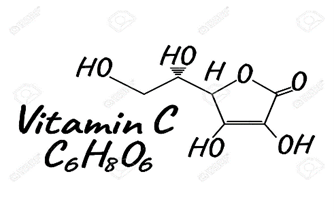
Guest Exam


Dealing with Migraines


Test Questions

Instructions: Select answer by clicking on circle to the left of selection. (the circle will turn a color when clicked) When done click on [show results] and follow further directions.

PayPal also takes credit cards. (on the PayPal page click on [Don't have an account])

You need to be registered and logged in to take this quiz. Log in or Register

Back to Buy CE Courses as a Guest

Guest Exam


Incident Reporting: Getting It Right


Test Questions

Instructions: Select answer by clicking on circle to the left of selection. (the circle will turn a color when clicked) When done click on [show results] and follow further directions.

PayPal also takes credit cards. (on the PayPal page click on [Don't have an account])

You need to be registered and logged in to take this quiz. Log in or Register

Back to Buy CE Courses as a Guest

Guest Exam


Autism’s Change to Autism Spectrum Disorder


Test Questions

Instructions: Select answer by clicking on circle to the left of selection. (the circle will turn a color when clicked) When done click on [show results] and follow further directions.

PayPal also takes credit cards. (on the PayPal page click on [Don't have an account])

You need to be registered and logged in to take this quiz. Log in or Register

Back to Buy CE Courses as a Guest

Guest Exam


LATE Dementia, the Alzheimer Mimic


Test Questions

Instructions: Select answer by clicking on circle to the left of selection. (the circle will turn a color when clicked) When done click on [show results] and follow further directions.

PayPal also takes credit cards. (on the PayPal page click on [Don't have an account])

You need to be registered and logged in to take this quiz. Log in or Register

Back to Buy CE Courses as a Guest

Guest Exam


Probiotic, Prebiotic, and Synbiotic Supplements … Huh?


Test Questions

Instructions: Select answer by clicking on circle to the left of selection. (the circle will turn a color when clicked) When done click on [show results] and follow further directions.

PayPal also takes credit cards. (on the PayPal page click on [Don't have an account])

This quiz is currently inactive.

Back to Buy CE Courses as a Guest

Guest Exam


A Gut Reaction:

An overview of the gastrointestinal system and what can go wrong with it


Test Questions

Instructions: Select answer by clicking on circle to the left of selection. (the circle will turn a color when clicked) When done click on [show results] and follow further directions.

PayPal also takes credit cards. (on the PayPal page click on [Don't have an account])

You need to be registered and logged in to take this quiz. Log in or Register

Back to Buy CE Courses as a Guest

Exam 


Dealing with Migraines

Test Questions

Instructions: Select answer by clicking on circle to the left of selection. (the circle will turn a color when clicked) When done click on [show results] and follow further directions.

You need to be registered and logged in to take this quiz. Log in or Register


 Back to CE Articles

 Page 11 of 24  « First  ... « 9  10  11  12  13 » ...  Last »