Boning Up on Bones

Author: Mark Parkinson RPh:  President  AFC CE

Credit Hours 2.5 - Approximate time required: 150 min. 

Educational Goal:

To provide Adult Foster Care providers with the background information that will help them promote good bone health of their residents.

Educational Objectives:

  1. Instruct about the consequences of poor bone health.
  2. Teach about the anatomy and physiology of bone.
  3. List the factors that limit bone health
  4. Inform about the caregivers role in preventing bone loss

Procedure:           

  1. Read the course materials.  2. Click on exam portal [Take Exam].  3. If you have not done so yet fill in Register form (username must be the name you want on your CE certificate).  4. Log in  5. Take exam.  6. Click on [Show Results] when done and follow the instructions that appear.  7. A score of 70% or better is considered passing and a Certificate of Completion will be generated for your records. 

Disclaimer  

   The information presented in this activity is not meant to serve as a guideline for patient management. All procedures, medications, or other courses of diagnosis or treatment discussed or suggested in this article should not be used by care providers without evaluation of their patients’ Doctor. Some conditions and possible contraindications may be of concern. All applicable manufacturers’ product information should be reviewed before use. The author and publisher of this continuing education program have made all reasonable efforts to ensure that all information contained herein is accurate in accordance with the latest available scientific knowledge at the time of acceptance for publication. Nutritional products discussed are not intended for the diagnosis, treatment, cure, or prevention of any disease.


Boning Up on Bones

It has always been my opinion that adult foster care is an under- appreciated and under-utilized portion of the health care continuum.  Whether you run a developmentally disabled, mental health, or elderly care home, the potential to impact a patient’s life for the better is poorly developed. The root of my opinion stems from the fact that so much of a person’s health depends on what happens in-between doctor’s visits. Doctors, pharmacists, and nurses have a great deal of knowledge, but no one has more day-to-day impact on patients’ lives than foster care homes. It is the day-to-day activities over the long run that really determines whether a patient stays healthy or gets ill.

There is no better example of this than bone health.  Other than the odd genetic defect, bone health is largely determined by lifestyle and dietary choices we make over our lifetime. The impact those choices make are very subtle. Bone health problems don’t happen suddenly but develop over a long period of time. The consequences of those choices are usually felt when we age.

According to the National Institute of Health (NIH), “By 2020 half of all Americans over 50 will have weak bones unless we make changes to our diet and lifestyle.”

Those of us who develop weak bones are more likely to suffer significant health issues that will dramatically affect the quality of our lives.

  • Each year, 1.5 million older Americans suffer fractures because their bones have become weak.
  • A broken hip makes you up to four times more likely to die within three months.
  • One in five people with a hip fracture ends up in a nursing home within a year.
  • Those with weak bones become frightened to leave home or engage in activities because they fear they will fall. This leads to isolation and depression.
  • The fear of falling leads to a sedentary lifestyle that is a major risk factor in developing other disease states like diabetes, high blood pressure, obesity, deep vein thrombosis, and spinal disc herniation (lower back pain).
  • Multiple micro fractures in the spine lead to the poor posture “hunched over” look of the elderly and compromises the comfortable feeling that good posture brings in all daily activities.

Weak bones are not inevitable, and poor bone health is not part of the part of the aging process.  The consequences of a lifetime of poor choices can still be impacted by the good day-to-day lifestyle choices we make now.

Which health profession has the most impact on the day-to-day lifestyle and dietary choices of patients?  Adult foster care does.   To make a positive impact, caregivers must know what to do. So let’s bone up on bone health and learn about what the care provider can do to maintain your residents’ bone health.


What Is a bone?

It may sound like a stupid question, but do you really know what a bone is? Most of us know bones as the hard, lifeless material leftover after a meal. That is only part of the story of our bones.  Our skeleton is a complex system of many parts. It contains blood vessels, marrow, cartilage, tendons ligaments, and nerves. It is a dynamic system that constantly functions and serves us in many ways.


Purposes of Our Bones

1. Support

The skeleton provides the framework that supports the body and maintains its shape.  For example, without the rib cage the lungs would collapse.

2. Movement

Movement would be all but impossible without our muscles being anchored to bone.  Joints between the bones enable greater range of motion

3. Protection

Our bones provide a shield to keep vital body parts protected. Imagine what would happen to our delicate parts like the brain and spine cord without bones to protect them.  Our bones and cartilage also acts like a shock absorber, taking the brunt of outside forces like falls. 

4. Blood cell production

The skeleton is the start of our blood cell development in a process called hematopoiesis. Without our bone marrow, we would not have many of the components of our blood supply.  In children, hematopoiesis occurs primarily in the marrow of the long bones, such as the femur and tibia. In adults, it occurs mainly in the pelvis, cranium, vertebrae, and sternum.

5. Storage

Our bones are a bank that stores vitally important minerals that we use in our day-to-day lives, primarily calcium and phosphorus. If we don’t get enough of these essential materials in our diet, our bodies will a withdrawal from the stores in our bones. 

6. Hormone regulation

Bone cells release a hormone called osteocalcin, which contributes to the regulation of blood sugar (glucose) and fat deposition. Osteocalcin increases both insulin secretion and sensitivity, in addition to boosting the number of insulin-producing cells and reducing stores of fat. In return, the skeletal system is greatly affected by other hormones like estrogen.


Basic Structures of Our Bones

Bone material is a matrix of flexible and solid material.  What gives our bones flexibility is a protein called collagen. It forms a flexible netlike framework. Upon this framework specialized bone-building cells deposit the compounds calcium phosphate and calcium carbonate. These mineral compounds give the bone its strength. 

The bone is composed of two types of skeletal tissue laid down in layers. The outer layer or cortex is made up of a hard compact material called the cortical or compact bone.  It accounts for about 80 percent of adult bone mass. It may look like a solid material, but look closely enough and you’ll see it is filled with microscopic columns called osteons. Each column contains living bone cells and boney material wrapped around a central canal the Haversian canal. Each osteon column is connected to each other by other canals called Volkmann’s canals. The cortical bone is covered on the outside by a layer called the periosteum layer and on the inside by the endosteum layer.

Underneath the endosteum is the second type of skeletal tissue called the cancellous bone. It is also called trabecular or spongy bone, not because it’s soft like a sponge but because it’s very porous like a sponge.  It’s so porous that cancellous bone has 10 times the surface area of cortical bone. The porous spaces of the cancellous material is filled with bone marrow and hematopoietic stem cells, which are later transformed into platelets and red and white blood cells.

The longer larger bones have a center shaft that does not contain boney material but is filled with bone marrow.


The Activity Inside the Bone

The matrix material of both types of bone tissue is an active place where minerals are constantly being laid down and removed. The work is done by three types of specialized cells, osteocytes, osteoblasts, and osteoclasts.

Osteoblasts are bone-forming cells and are found mainly on the surface areas of the bone.

Osteocytes are osteoblasts that have become surrounded by the boney material they produced. When they are encased, they cease forming new bone material and are more associated with maintaining bone function.

Osteoclasts are cells that breakdown bone tissue by secreting enzymes that dissolve the mineral portion of the bone. The dissolved minerals are then transported out of the bone via bodily fluids to be used elsewhere.

All three cell types are sensitive to chemical signaling as seen in hormones and are involved in changing bone mass due to stresses on the bone.
 

Bones As We Age

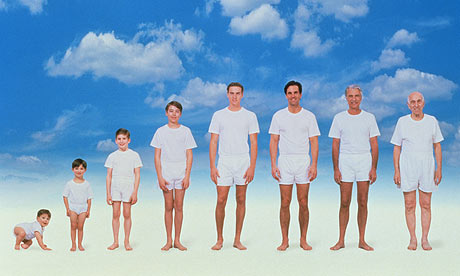
At first glance, bones may appear to be a solid, unchanging support system.  In reality, bones serve many purposes and are constantly changing to meet ALL the demands placed upon them.  They change considerably as we age.

Before we are born, our bones start out mostly as cartilage. This helps the body go through the many changes it faces.  Then in a process called ossification, cartilage is replaced by bony material as the body starts to grow. 

Initially, newborn and infant bones are filled mainly with cancellous bone tissue filled with blood-producing red marrow.  As the infant grows, a portion of the cancellous tissue is replaced by the more supportive cortical bone tissue.

In our early developmental years, our bones need to grow a lot. In a process called Modeling new bone material is laid down in patterns that support this massive growth.  The body is geared to direct minerals and nutrients toward the needs of growth.

 The body continues the growth process until it reaches maturity between the ages of 18 to 30 years old. After that the skeletal system shifts functions from growth to maintenance and support.

In our mature years the same bone cells continue to lay down new bone and break down old bone but the balance between the two has changed.  Growth is no longer needed so bone processes switch to Remodeling, basically a turning over of bone mass. It has been estimated that most of adults bone mass is replaced every ten years.

In the long run the skeletal system changes according to what is needed at the time.  Growth is just one factor of need. If we work hard and put stress on the bone it responds by bulking up the bone to handle the added of stress. This explains why right handed people have bigger bones in their right arm. Dentists utilize this process to change teeth. They apply braces to the teeth that put stress on the bone. The braces guide the teeth in new growth and force the remodeling of the existing bone material.

The processes of modeling and remodeling are limited by what materials we take in to replenish what is used up. You can’t make a dollar’s worth of bone with 50 cents of material acquired from the food we eat. 

The crucial points for caregivers to understand about the processes of bone growth and support can be made easier if you think of the bones as a bank vault. The body starts out with a very small bank account of minerals but has tremendous growth potential. In the beginning most of the minerals we bring into our account goes into making the bank vault bigger. After a while we stop making the vault bigger and instead make the walls of our vault stronger.  We fill up the vault with the resources that will be needed later in life. As the need arises we dip into the supplies held in our bank account.  With each meal we replenish our account with new minerals. If there isn’t enough in reserve to meet our day to day needs then our bodies start to use the materials in the walls of our vault. If we have made our vault big and strong enough then taking some from the walls won’t affect our bank vault that much. But if the walls aren’t thick enough then it will be easier to break the bank and cause problems. 

This story’s bank vault theme can be seen prominently in the metabolism of calcium. The mineral calcium is used throughout our body, especially in the nervous system and muscles. That includes the brain and heart. It is a priority of the body to always have enough calcium in the blood stream to keep things running smoothly. But only 1 percent of our body’s calcium is found in the blood.  When more is needed, it has to come from the bones.  Ninety-nine percent of the body's calcium is stored in the bones and teeth.

 Inherent Limitations

 

The skeletal system works remarkably well considering all the changes it goes through and how variable dietary mineral intake can be. There are some limitations, though, that can lead to breaking the bone bank.

Bone Loss Due to Age and Disease

Bone loss due to age is a normal reaction to the environmental and metabolic changes that occur as we advance in years.

  1. Our daily routines change as we age. We engage less and less in activities that put bone-building pressure on our skeleton. It is a natural response to lose some of our bone mass.
  2. Maintenance of the skeletal system is dependent on a complex system of hormones and other body systems. As we age or through disease these control systems start to wear down, resulting in bone mass loss. This is particularly common in post-menopausal women. On average, a woman loses 10 percent of her bone mass during the menopause transition.

Calcium Regulating Hormones

Parathyroid Hormone

Calcitriol (Active Vitamin D)

Calcitonin

Estrogen

Testosterone

Growth Hormone/Insulin-Like Growth Factor

Thyroid Hormone

Cortisol


Another example of how aging contributes to bone loss is a combination of an aging body and a change in habits. Calcitriol that comes from vitamin D is used by our body to help absorb calcium from our diet. Our bodies make vitamin D when sunlight strikes our skin. Older adults tend to stay indoors away from vitamin D-giving sunlight. They also naturally feel cold easier, so they wear more clothing.  This also prevents the sun from reaching their skin.  As a result, the body can’t make enough vitamin D to process the calcium that it takes in. To maintain blood calcium levels an increased amount of calcium has to come from the skeleton. As a result, we start to lose bone mass.

Genetics

Even though there are many ways we can voluntarily build bone mass, the genes we are born with play a major part of how our bodies are built. There are those who naturally have smaller bones so they are at greater risk for bone-loss-related problems or have other inherited bone-loss factors.

At-risk groups:

  • Women (menopause)
  • Caucasian people of Asian descent
  • Families with congenital abnormalities. Having a parent or sibling with osteoporosis puts you at greater risk, especially if your mother or father experienced a hip fracture.
  • Body frame size. Men or women who have small body frames tend to have a higher risk because they may have less bone mass to draw from as they age.
art 6


Lifestyle Inadequacies

We can’t feel or sense the mineralization or de-mineralization process so most of the time we can’t tell how healthy our bones are.  There are no outward signs to let us know how our actions are affecting our bones.  The lack of outward symptoms to warn us of danger leads many of us to make unwise choices.  Many of us unknowingly start to lead lifestyles that lead us straight into future bone loss trouble.


Contributing lifestyle factors for bone loss:

  • Poor diet- Healthy bones depends so much on what we eat. For healthy bones, you must have adequate amounts of calcium, phosphorous, and vitamins C, D, and K.
  • Excessive alcohol- More than one drink a day for women and two drinks a day for men can cause bone loss.
  • Excessive caffeine- Too much caffeine interferes with calcium absorption.
  • Smoking- Tobacco also prevents calcium absorption.
  • Eating disorders or just trying to be thin is closely related to an inadequate diet.
  • Sedentary lifestyle- plainly put: no exercise = bone mass loss.

Drug-induced Bone Loss

Long-term use of certain medications can cause accelerated bone loss. This is a very complicated topic. I could write several hours just on bone loss due to drugs alone. Since caregivers have little impact on drug therapy decisions, we’ll just let the doctors worry about that topic for now. There are a few groups of residents who are at greater risk than others so caregivers can help compensate for bone loss.

Watch out for residents who take:

Steroid inhalers for asthma

Anti-seizure medications

Anti-hormone (testosterone and estrogen) medication used in treating breast and prostate cancer.

Stomach acid blockers (proton pump inhibitors)

This is one area where developmentally disabled (DD homes) may have greater concern than other care homes.  It is not that uncommon for their residents to be on asthma, seizure, and PPIs medications all at once in the bone-forming years.  If you have one of these special residents in your home, it would be wise to counsel with the doctor specifically about their bone health.

 Bones Big Enough for a Lifetime

Let’s take a look at the big picture. In the beginning of life, the body makes massive changes in the bone. Over time, the skeleton starts to settle down and gradually build up bone mass. Generally speaking, a reaches its peak bone mass in its 30s. After that, the body switches directions, and bone mass starts to decrease. Under normal conditions, bone loss is very slow and we have enough bone mass to last a lifetime.  Unfortunately there are plenty of issues that can go wrong. Things can happen that interfere with building up the proper amount of bone mass, so there isn’t enough mass to last a life time.  Other factors can accelerate normal bone loss to the point where the bone can no longer properly handle the stresses put upon it. Outwardly we can’t feel the bone weakness until after the bone breaks.

 Image result for osteoporosis

Osteoporosis

When a patient loses so much bone material that the skeleton can no longer support body actions, that person has osteoporosis. Osteoporosis is a disorder of porous bone. If you could see the bone under a microscope, normally dense material has become thin and the strong matrix of cancellous bone is so porous that it has become brittle.   Minor falls and normal physical stresses can lead to broken bones.  The most likely place for breaks to occur is in the cancellous (trabecular) bone tissue of the wrist, hip, or spine. Any broken bone can cause severe pain. For patients with osteoporosis, that pain may not go away even after the break heals. Osteoporosis also causes a loss in height as micro fractures cause the vertebrae to compress. Micro fractures also can lead to poor posture, (making the sufferer to become stooped or hunched), which results in chronic back pain.

Discovery and Diagnosis

Osteoporosis is often discovered by the doctor when the patient sustains a low-trauma fracture. The diagnosis is confirmed by measuring the patient’s bone mass by the use of specialized x-ray machines and comparing it to the bone density of a healthy bones. The doctor evaluates the x-ray readings [Dual-energy x-ray absorptiometry (DXA)] and compares them to an index of bone mass. They then do some statistical analysis and come up with some number-crunching values called z-scores or t scores.  Z- scores is a comparison to the normal bone density for that of person of the same age and sex. A T-score is a comparison to young adult bones.

For those of you who are interested (probably a very low percentage of readers) the most common diagnosis of osteoporosis is made with a T-score of 2.5 standard deviations below a young adult healthy bone. 

Osteoporosis is a serious medical concern. It can lead to chronic pain, disability, institutionalization, social isolation, depression, and death. It leads to 432,000 hospital admissions, almost 2.5 million medical office visits, and about 180,000 nursing home admissions annually in the America. For 2005, the medical costs have been estimated at $17 billion. Hip fractures alone account for 14 percent of all fractures and 72 percent of fracture costs.

Osteoporosis costs the patient dearly and is a heavy burden on our society.  It is well worth the caregiver’s efforts to prevent it or treat it with maintenance therapy if occurs their residents.


 Caregiver’s Role- Prevention and treatment

Osteoporosis is not part of the normal aging process. It can be prevented and treated by making simple but powerful lifestyle choices and if needed medication therapies.  Adult foster care providers are in a unique position to have the most impact on lifestyle choices, more than any other member of the health care team.  It will take daily caregiving efforts and a long-term point of view from both the resident and the caregiver. The good daily actions you take now will be of benefit for years and even decades to come.

Areas of Focus

There are four areas of therapeutic focus when working toward the goal of obtaining and maintaining healthy bones. They are the same for children and the elderly; it is just matter of how much is required. Adult foster care providers are in control of three of them and have significant impact on the fourth.

They are:

  • Avoid risks
  • Nutritional support and healthy diets
  • Plenty of exercise
  • Medication

Avoid Risks

Let’s review the behaviors that increase bone loss from a caregiver’s point of view.

  • Alcohol- This is a no brainer. I don’t for see any responsible caregivers serving up cocktails for their residents.
  • Smoking- Just one more reason to have a tobacco-free home. This can be a bit more challenging for mental health homes. Smoking has been linked to mental illness as patients unknowingly try to relieve mental health symptoms through smoking. Properly educating mental health residents and rewarding proper choices can help break the habit. Nicotine addiction can be broken in as little as two weeks. Caregivers can help by making it uncomfortable to smoke, breaking up smoking routines, and pointing out that smoking is a very poor choice in relieving mental illness symptoms. 
  • Caffeine- Another addiction that can be problematic. In regards to bone health, it’s a balancing act. No caffeine is best, but moderation in the amount of caffeine from all sources is doable for most care homes.
  • Sedentary Lifestyle- If caregivers view themselves as babysitters; they want their clients to sit around doing nothing. (bad choice in my opinion) If caregivers view themselves as medical professionals, they will schedule activities (a better, more fulfilling role in my opinion). Caregivers should take advantage of community and family resources for possible resources. Assigning residents minor chores is not out of the question either. Residents like to have a purpose.
  • Falls- Caregivers should regularly inspect their home and remove slip and trip hazards. Remember, even minor falls can be life threatening for residents with severe osteoporosis.


Nutritional Support

Having healthy bones depends largely on having enough bone-building materials in the first place. Caregivers must remember that bones are not unchanging tissues. Bone mineral materials are constantly being pulled away for use by the body. So replacement should be constant as well. Where does that mineral come from and how much is needed should be a prime concern for caregivers.


How Much Calcium

Getting enough calcium is a prime concern for building and maintaining bone. The largest amount of calcium is needed in the bone-building years between the ages of 9 and 18. Daily requirements reduce somewhat in the adult years but increase for women after menopause and everyone after the age of 70.

Calcium requirements

Age

Daily amount in mg

0 to 6 months

200

6 to 12 months

260

1 to 3 years

700

4 to 8 years

1000

9 to 18 years

1300

19 to 50 years

1000

51- to 70-year-old males

1000

51- to 70-year-old females

1200

>70 years old

1200


Warning- large doses of calcium can be constipating. If the problem arises, don’t reduce the calcium. Increase the resident’s fluid, fiber, and whole-body activity. Notify the doctor of persistent irregularity problems.


How Much - Vitamin D

Vitamin D is an essential part of the digestion of calcium. Without vitamin D, we can’t absorb enough calcium in our gut and maintain the bone we do have.  The bone disease rickets is essentially caused by a lack of vitamin D.

Age

Daily Amount in IU

0 to 12 months

400

1 to 13 years

600

14 to 18 years

600

19 to 50 years

600

51 to 70 years

600

> 70 year old

800

IU- International Units

Vitamin D lasts a long time in our bodies so normally there is a healthy amount floating around. Daily amounts are just topping off the tank, so to speak. If the patient’s overall concentration is down, the doctor will prescribe mega doses to build up reserves.  There is a green liquid-filled, football-shaped jell tab prescription of vitamin D that has 50,000 IU. It’s usually prescribed once a month.

There are several other vitamins and minerals that are important to bones but are too numerous to write about them all. They will all be covered with a properly balanced diet or a daily routine of vitamin and mineral supplements.  An important note about multivitamins and mineral pills: One size does not fit all. Nutritional needs change as we age, so choose age-appropriate products to get the optimal mix of vitamins and minerals.

Healthy Diets

The typical American diet lacks all the nutrients needed for healthy bones. Caregivers must make a conscious effort to make healthy meals for their residents. Milk and other dairy products are the traditional source of calcium in our diets. Three servings a day is a good benchmark to aim for. Teenage residents should get four.  Other sources of calcium are green leafy vegetables, broccoli, soybeans, and fish products with edible bones in them (sardines and salmon). You can even buy calcium-fortified products like orange juice.

In a perfect world, you could give all the bone health nutrients that your residents need from the foods you serve them. During shopping trips, you would consult packaging information on the products you buy. Then you can place the proper foods into a well-balanced menu.  Have a handy reference chart of the nutritional values of raw vegetables and fruits to easily consult when shopping. 

In the real world, that is pretty hard to accomplish.  A few tips that will help caregivers include planning a menu and making a list of the proper foods to buy before you go shopping.  Cook from scratch whenever circumstances permit. This will help avoid overly processed foods that are poor in nutrition. Whole grains are always the best. Select foods across the color spectrum. This helps ensure variety. A broader spectrum of foods helps to ensure a broader spectrum of nutrients is consumed.  Snacks of cheese, raw vegetables, yogurt, and the always-popular milk and whole grain cookies are an easy way to sneak in more nutritional foods into the diets of even the pickiest of eaters.

Plenty of ExerciseDealing With Dementia
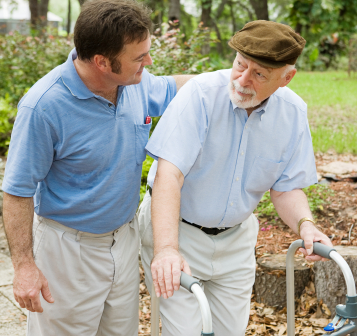
Our bones are built to respond to the physical demands we put upon them. The more stress we put on the bones, the stronger they can become.  When we work hard, the muscles and tissues around the bone send chemical signals to the bone-building cells that make them work harder. In addition, when we exercise our bones, tiny micro fractures occur. The bone-building cells repair this damage with new stronger bone. Caregivers can take advantage of these processes to build bone mass in their residents with an active lifestyle.

How Much Time

Children and teens should get at least an hour of physical activity every day. Adults should get at least 30 minutes every day. Moderate weight-bearing exercise is the best and easiest to continue over time.  Examples are walking, jogging, dancing, gardening, and household chores like vacuuming.

Tips for Caregivers

Exercise programs in care homes can be very problematic. Here are a few tips that might help.

Taking Walks

Taking walks is a perfect fit for care homes. It’s a weight-bearing exercise. It helps work on balance and coordination. It’s easy to schedule into the daily routine. It’s easy to do in groups. In addition, you get sunshine on the skin, making vitamin D. 

Low-impact Exercise

You can reduce the possibility of injury by using low-impact exercise machines. Elliptical, gliders, and steppers are low impact and give more full-body exercise. Stationary bikes require less supervision. Use timers that alert you when the resident is done so you can be there when they stop. Always be with in supervising distance. Place the equipment in front of a TV or window to help fight exercise boredom.

Check Off Charts

Using charts that exercisers must check off gives a sense of accomplishment. It also helps the caregiver supervise exercise routines and reinforce good habits.
peddler 2


Can't Walk

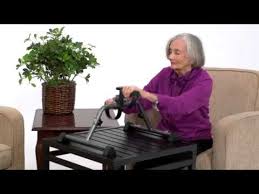
For those residents who can’t walk, try using hand weights. Exercise stretch bands can give a more full-body workout. Mini peddlers can be placed on table tops and worked by hands instead of feet.  For more exercise ideas, go to the computer and type in “chair exercises for seniors.”


 Take It Easy

The rule of thumb is start low and go slow. Establishing long-term habits is more important than quick strengthening results. Exercise does not have to be continuous for good bone health. A 30-minute routine can be broken up into 10-minute segments. The hour needed for children can be achieved throughout the day.

Doctors and Bone Health

Doctors can be a great resource for help as caregivers and their clients work on bone health. There are many classes of medication that can help in many ways. Doctors must approve any multivitamin or mineral supplement, but they are usually open to requests. It never hurts to phrase requests in the form of a question. Example- I’m concerned about Mr. Smith getting enough sunshine this winter, do you think he needs a vitamin D supplement? Consult with doctors before starting any strenuous exercise regime.

If you have any concerns, communicate with the doctor. Call them, send them an email, and write them a note. Doctors may be in charge of all things medical, but they are ultimately just a servant to the needs of your resident. In your role as a patient advocate, it’s your job to utilize every resource available to keep them healthy and happy.


Conclusion

If your clients continue in inadequate lifestyles, it is inevitable that at some future point weaken bones will break. It is a sad fact that as many as half of all women and one fourth of all men older than 50 will fracture a bone at some point due to osteoporosis. Teenagers who fail to achieve their full peak bone mass will never be able to make it up later on in life.

Fortunately, there are plenty of things you as their caregiver can do to help avoid the pitfalls of weakened bones. Whether your resident is young and building bone or older and trying to preserve as much as they can, the simple steps but long-term efforts of having a balanced diet, getting plenty of sunshine and exercise, and utilizing the doctor as much as possible will help ensure that there will be enough bone to last a lifetime.

As always, good luck in your caregiving efforts.

Mark Parkinson RPh


References:

1. Bone health: Tips to keep your bones healthy. Mayo Clinic.org. Feb 9 2013 http://www.mayoclinic.org/healthy-lifestyle/adult-health/in-depth/bone-health/art-20045060?pg=1          

2. Mary Anne Dunkin, 8 Ways to Keep Bones Healthy and Strong. Arthritis Foundation.org http://www.arthritis.org/about-arthritis/types/osteoporosis/articles/preventing-osteoporosis.php

3. Peter Jaret, How to Keep Your Bones Strong as You Age. WebMD. Oct 14 2013 http://www.webmd.com/healthy-aging/nutrition-world-2/bone-strength     

4. Healthy Bones Matter. National Institute of Arthritis and Musculoskeletal and Skin Disease, National Institute of Health. NIH Publication No. 11-7577(B). Aug 2012 http://www.niams.nih.gov/Health_Info/Kids/healthy_bones.asp

5. The Surgeon General’s Report on Bone Health and Osteoporosis: What It Means to You. National Institute of Health. NIH Publication No. 12–7827 Mar. 2012 http://www.niams.nih.gov/Health_Info/Bone/SGR/surgeon_generals_report.asp    

6. The Basics of Bone in Health and Disease. National Center for Biotechnology Information, Book Shelve, National Institute of Health. Bookshelf ID: NBK45504. http://www.ncbi.nlm.nih.gov/books/NBK45504/

7. Human skeleton. Wikipedia the Free Encyclopedia Oct. 16 2015 https://en.wikipedia.org/wiki/Human_skeleton         

8. Bone. Wikipedia the Free Encyclopedia Oct. 13 2015 https://en.wikipedia.org/wiki/Bone

9. Oddom Demontiero, Christopher Vidal, and Gustavo Duque, Aging and bone loss: new insights for the clinician. National Center for Biotechnology Information, National Institute of Health. Apr. 4 2012 http://www.ncbi.nlm.nih.gov/pmc/articles/PMC3383520/

11. Dr. Susan E. Brown, PhD, Bone loss in menopause — how to reduce your risk. Better Bones.com Jul. 7 2014 http://www.betterbones.com/betterbody/bone-loss-in-menopause.aspx

12. Risk factors. Mayo Clinic.org http://www.mayoclinic.org/diseases-conditions/osteoporosis/basics/risk-factors/con-20019924

13. Susan K. Bowles, Pham D. MSc. FCCP, Drug Induced Osteoporosis. Pharmacotherapy Self-Assessment Program Seventh Edition.

https://www.accp.com/docs/bookstore/psap/p7b03.sample04.pdf

14. What is Osteoporosis? National Osteoporosis Foundation.org http://nof.org/articles/7           

15. Clinician’s Guide to Prevention and Treatment of Osteoporosis. National Osteoporosis Foundation Jan. 2010

http://nof.org/files/nof/public/content/file/344/upload/159.pdf National Osteoporosis Foundation.org

16. Vitamin D Fact Sheet for Health Professionals. National Institute of Health. Nov 10 2014 https://ods.od.nih.gov/factsheets/VitaminD-HealthProfessional/


Exam Portal

click on [Take Exam]

Purchase membership here to unlock Exam Portal.

*Important*

Registration and login is required to place your name on your CE Certificates and access your certificate history.

Username MUST be how you want your name on your CE Certificate.


Guest:  Purchase Exam

Guest Exam

 27 NSAIDs

Test Questions

Instructions: Select answer by clicking on circle to the left of selection. (the circle will turn a color when clicked) When done click on [show results] and follow further directions.

PayPal also takes credit cards. (on the PayPal page click on [Don't have an account])

You need to be registered and logged in to take this quiz. Log in or Register

If  CE Certificate doesn't show up, check your pop up filter


 Back to CE Articles

Exam 

27 NSAIDs


Test Questions

Instructions: Select answer by clicking on circle to the left of selection. (the circle will turn a color when clicked) When done click on [show results] and follow further directions.

You need to be registered and logged in to take this quiz. Log in or Register


 Back to CE Articles

27 NSAIDs

Author: Mark Parkinson RPh:  President  AFC CE

Credit Hours 1 - Approximate time required: 60 min. 

Educational Goal:

To provide Adult Foster Care providers with information that will help them understand and utilize the Non-steroidal Anti-inflammatory Drug class of medication.

Educational Objectives:

  1. List the NSAIDs
  2. Instruct about how NSAIDs work
  3. Explain about the side effects of NSAIDs
  4. Inform about caregiver issues effecting NSAID use

Procedure:           

  1. Read the course materials.  2. Click on exam portal [Take Exam].  3. If you have not done so yet fill in Register form (username must be the name you want on your CE certificate).  4. Log in  5. Take exam.  6. Click on [Show Results] when done and follow the instructions that appear.  7. A score of 70% or better is considered passing and a Certificate of Completion will be generated for your records. 

Disclaimer      

   The information presented in this activity is not meant to serve as a guideline for patient management. All procedures, medications, or other courses of diagnosis or treatment discussed or suggested in this article should not be used by care providers without evaluation of their patients’ Doctor. Some conditions and possible contraindications may be of concern. All applicable manufacturers’ product information should be reviewed before use. The author and publisher of this continuing education program have made all reasonable efforts to ensure that all information contained herein is accurate in accordance with the latest available scientific knowledge at the time of acceptance for publication. Nutritional products discussed are not intended for the diagnosis, treatment, cure, or prevention of any disease.

27 NSAIDs

    Did you know that there were 27 different drugs in the NSAID class of medications? That doesn’t include combination drugs, so the number of NSAID-containing meds is actually much higher.  NSAID stands for Non-Steroidal Anti-Inflammatory Drug. They are among the most commonly used drugs for pain killing in the world today (aspirin is included in this group).  They can be used to kill pain, reduce fever, and reduce swelling due to inflammation.  Many find NSAIDs have advantages other painkillers do not. NSAIDs are not addicting like narcotics, and they reduce inflammation (acetaminophen and opiates do not), which helps in the healing process.


List of NSAIDs

Aspirin (Anacin, Ascriptin, Bayer, Bufferin, Ecotrin, Excedrin)

Choline and magnesium salicylates (CMT, Tricosal, Trilisate)

Choline salicylate (Arthropan)

Celecoxib (Celebrex)

Diclofenac potassium (Cataflam)

Diclofenac sodium (Voltaren, Voltaren XR)

Diclofenac sodium with misoprostol (Arthrotec)

Diflunisal (Dolobid)

Etodolac (Lodine, Lodine XL)

Fenoprofen calcium (Nalfon)

Flurbiprofen (Ansaid)

Ibuprofen (Advil, Motrin, Motrin IB, Nuprin)

Indomethacin (Indocin, Indocin SR)

Ketoprofen (Actron, Orudis, Orudis KT, Oruvail)

Magnesium salicylate (Arthritab, Bayer Select, Doan's Pills, Magan, Mobidin, Mobogesic)

Meclofenamate sodium (Meclomen)

Mefenamic acid (Ponstel)

Meloxicam (Mobic)

Nabumetone (Relafen)

Naproxen (Naprosyn, Naprelan*)

Naproxen sodium (Aleve, Anaprox)

Oxaprozin (Daypro)

Piroxicam (Feldene)

Salsalate (Amigesic, Anaflex 750, Disalcid, Marthritic, Mono-Gesic, Salflex, Salsitab)

Sodium salicylate (various generics)

Sulindac (Clinoril)

Tolmetin sodium (Tolectin)

     NSAID use accounts for a major portion of both prescription and over-the counter pain-relieving efforts in modern medicine. But lately there has been some bad press about the harmful effects of NSAIDs. In fact, the FDA recently issued new consumer alerts and required manufacturers to increase their warning labels on all NSAID products sold in the United States.  So what’s the deal? Are they safe or unsafe to use? This CE course will answer some of those questions. 


How NSAIDs Work

    To truly understand NSAIDs, you must first start with what pain is. Pain is a very complex subject. For a greater understanding, see my other CEs. At its simplest, pain is the brain’s warning system that damage is being done to the body. When the cells in the body are harmed or ruptured, certain chemicals are released into the surrounding area. They in turn trigger other cells that release additional triggering chemicals that start a cascade of protecting reaction from the body. Nerve signals are sent to the brain; swelling starts to wall off of the damaged area, and fever sometimes start to occur as an additional warning signal and as a protection to kill off certain heat-sensitive opportunistic infections.  This is an over-simplification of a complex reaction that is still not fully understood. The important thing to remember is this is a chemical cascade reaction, like a domino chain that branches out to trigger specific responses from the body.

    Narcotics and acetaminophen block the reaction farther down the domino chain closer to the brain. NSAIDs block the domino chain closer to its start by inhibiting an enzyme called the cyclooxygenase or Cox for short. That’s how NSAIDs reduce inflammation while other painkillers do not.  So far we have identified two types of Cox enzymes, Cox1 and Cox2. They are responsible for converting arachadonic acid into prostaglandins. Prostaglandins, in turn, branch out to warning signals, protective mechanisms, and restorative healing processes pathways. 

Nsaids

    Some of you might be thinking “Whoa up there, partner, you’re getting’ a bit deep for me!”  You’re probably right.  I did get a little pharmacologically carried away there.   So let’s ratchet it back a bit and just say NSAIDs stop prostaglandin from being produced, which in turn leads to the desired effects and some undesired side effects.


Side Effects

    There are multiple kinds of prostaglandins used throughout the body for various purposes. If you reduce the production of prostaglandins, naturally you’ll affect all the processes they are involved with. As a result, NSAID use could lead to side effects. To be clear, not all NSAIDs’ side effects are tied to prostaglandins and not all are well understood.  The most common side effects, though, are connected to the prostaglandins or the cox enzymes.


GI Tract Side Effects

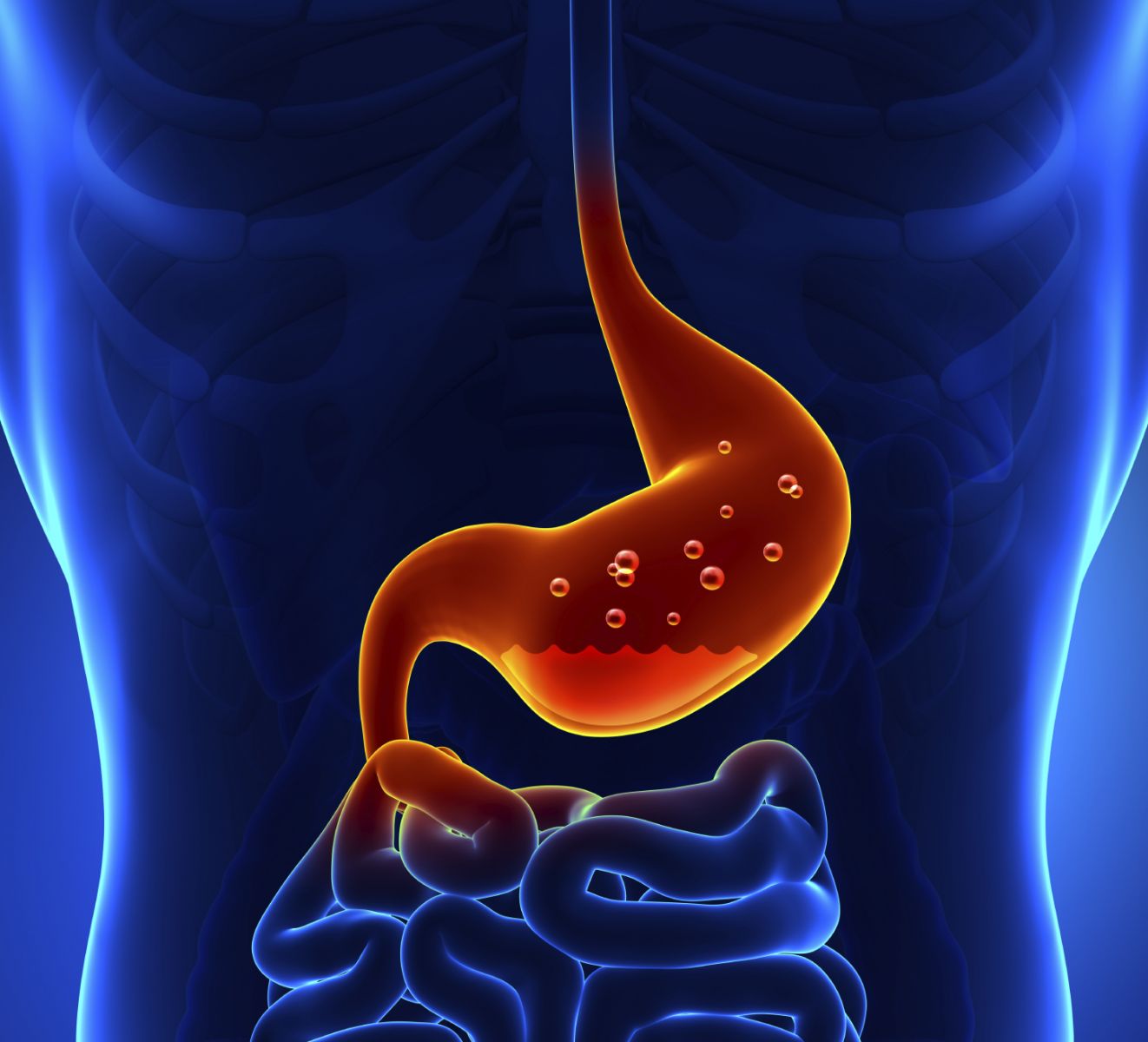
     The gastrointestinal (GI) tract dissolves the food we eat with a soup of powerful enzymes and acids. What keeps this combination from dissolving the GI tract lining is a mucus layer that insulates us from our digestive juices. As you can imagine, that mucous layer has to be constantly replaced. Unfortunately for NSAID users, prostaglandins play a major role in renewing of the protective mucous layer. If the protective process is disrupted long enough, ulcers appear, which lead to bleeding into the GI tract.

     Several of the NSAIDs are week acids themselves, which only compounds the problem.  Drug manufacturers have tried to reduce this problem by coating their product (enteric coated aspirin) or adding buffers that help balance the acidic effect (buffered aspirin).  These help the acid problem, but the reduced prostaglandin problem still remains.

    Fortunately for most NSAID users, significant GI problems never develop if directions are followed. Under normal conditions, prostaglandin production is continuously being turned on and off as the body needs them in a process called homeostasis.  So the body can handle short-term or minor interruption in prostaglandin production.  Where GI problems occur the most is with prolonged use or higher doses of NSAIDs. That is one reason that OTC NSAIDs warn never to exceed 10 days of therapy without consulting a doctor.

     There is one NSAID that is different than all the rest. Celecoxib (Celebrex) primarily affects only the Cox2 enzyme. This enables Celebrex to avoid most of the serious GI tract problems that are rooted in the blockage of the Cox1 enzyme.  Unfortunately blocking only the Cox2 enzyme leads to possible cardiovascular side effects.


Cardiovascular Side Effectssleep4

     A less common but more serious side effect of NSAID use involves how prostaglandins are used by the body in the cardiovascular system.   There are Cox1 enzymes located in blood cells called platelets. They are involved in the beginning of the blood clotting process.  Cox2 enzymes are found in the lining of blood vessel walls and are involved in unsticking platelets (reduces clotting) and relaxing or dilating blood vessels, which drops blood pressure.  If you start messing around with blood clotting or blood pressure, seriously bad things can happen. NSAID use could lead to heart attack, stroke, high blood pressure, kidney problems, liver problems, and anemia.

     It is important to note that some of these side effects aren’t always a problem. Sometimes side effects can actually be used to help a patient. Low-dose aspirin prevents blood clotting and can be used to prevent strokes and heart attacks.


Allergy and Breathing Problems

     In my pharmacy career, I have found that you can find someone who is allergic to just about anything. Those who are allergic to NSAIDs have an over-reactive protection response of inflammation when NSAID are taken.  If they have serious swelling in their lungs, life- threatening breathing problems can occur.  This reaction is of particular concern to asthma suffers or others who already have breathing problems. It turns out that approximately 10 to 20 percent of adults with asthma have sensitivity to aspirin or other NSAIDs. Those numbers lead many doctors to say that all asthma sufferers should not take NSAIDs because you can never tell when an allergy will start to develop.


Other Side Effects Concerns

     Each drug has its own side effect profile, and it is up to the care provider to read the warning literature that comes with each bottle. Other side effects that could occur include:

  • Diarrhea
  • Vomiting
  • Dizziness
  • Drowsiness
  • Tinnitus (ringing in the ears)
  • Constipation
  • Gas

     You might be starting to freak out about now, saying, “I’ll never touch an NSAID again.” Time for a reality check. The vast major of NSAID users will never develop any serious health problems. You have taken an aspirin or ibuprofen yourself in the past and lived to tell the tale. Even the FDA still allows for NSAIDs to be sold to anyone OTC (over the counter). If you follow the directions and are aware of the warning signs, no major problems will likely occur.

     But people don’t always follow instructions and read the warnings, not even health professionals. That has led the FDA to require prominently placed warnings on NSAID containers called black box warnings. They also require pharmacists to hand out an extra Medication Guide with all NSAID prescriptions.  In essence, the FDA is saying that really serious problems can occur so pay attention when using NSAIDs.

 MP900442656

Caregiver Issues

Paying Attention

     Speaking of paying attention, that’s your job as a caregiver. Pay attention to the drug info provided with each drug. Pay attention to how the drug is supposed to act.  Pay attention to the side effects that can occur.  What it really boils down to is knowing what the normal condition is for your residents and taking note of any changes that occur when they take their medicine.

According to the FDA’s Medication Guide that is supposed to be handed out with each prescription, NSAID caregivers should watch for the following warning symptoms.

  • Nausea
  • More tired or weaker than usual
  • Itching
  • Skin or eyes look yellow
  • Stomach pain
  • Flu-like symptoms
  • Vomit blood
  • Blood in bowel movement or it is black and sticky like tar
  • Unusual weight gain
  • Skin rash or blisters with fever
  • Swelling of the arms and legs, hands, and feet

Stop your NSAID medicine and call your healthcare provider right away if you have any of the following symptoms.


Staying Alert

     One of the major challenges of any medical practice today is how can any care provider keep an alert watch on the important details when they are repeated over and over and over again. It is a natural human tendency to ignore repetitive tasks that don’t change.  It happens to doctors, pharmacists, nurses, and it will happen to you.

Here are a couple of facts about NSAID use that might help you keep alert to your patients’ safety.

  1. Doctors and pharmacists are human, too, and they can bypass important details. Don’t assume that everything will be OK just because the drug has passed through the hands of a doctor and pharmacist.
  2. Many of the serious side effects of NSAIDs are more likely to occur after prolonged use. It will take a while to overwhelm the homeostatic mechanisms of the body. That means that initially there would not be any side effects. They are more likely to develop down the road just when you are starting to ignore the possibility because nothing has happened at the start of therapy.
  3. Allergies can develop at any time even after years of NSAID use. It is less likely, but it has been known to happen.
  4. Mild allergic reactions will most likely progress to more serious reactions the more the resident is exposed to the drug they have a reaction to. That means that minor allergy-caused side effects will probably not stay minor with continued use of the offending drug. The major problems you want to watch for will happen down the road, just when your mind is starting to get bored of the task of paying attention.


Pregnancy and Breast Feeding

     To be complete in this article about warnings, some NSAIDs can cross the placental barrier and enter into breast milk. Interfering with the Cox enzymes of a baby can cause serious issues. NSAID medicines should not be used by pregnant women late in their pregnancy, and mothers should consult with their doctor or pharmacist about NSAID use while breastfeeding, even OTC NSAIDs.


Herbals

     Some herbal products contain NSAID or NSAID-like chemicals. Not all herbals are well studied, and we just don’t know all the details yet. The smart thing to do is if the herbal says it’s for pain relief- monitor it like an NSAID.


Conclusion

     Modern medicine has found the pain-relieving, fever-reducing, and anti-inflammatory effects of NSAID are so useful that it has developed and marketed over 27 different kinds.  Non-Steroidal Anti-Inflammatory medications are so common that caregivers will probably deal with them one way or another every single day of their foster care career.  Even so, NSAID use is so common the FDA has warned that serious sometimes life-threatening events can occur. Caregivers should note that the more their residents use NSAIDs, the more likely these ill effects can occur. That makes continued vigilant monitoring all that more important to keep clients healthy and happy.

As always, good luck in your caregiving

Mark Parkinson RPh

References:

1. Nonsteroidal anti-inflammatory drug. Wikipedia the Free Encyclopedia. Sep. 25 2015 https://en.wikipedia.org/wiki/Nonsteroidal_anti-inflammatory_drug

2. NSAID (List of non-steroidal anti-inflammatories) http://cdn.dupagemedicalgroup.com/userfiles/file/patientForms/nsaid-list.pdf

3. R. Morgan Griffin, Pain Relief: How NSAIDs Work. Arthritis Health Center, WebMD http://www.webmd.com/arthritis/features/pain-relief-how-nsaids-work  

4. Non-Steroidal Anti-Inflammatory Drugs (NSAID)-Oral MedicineNet http://www.medicinenet.com/nonsteroidal_anti-inflammatory_drugs_nsaid/article.htm      `

5. FDA Drug Safety Communication: FDA strengthens warning that non-aspirin nonsteroidal anti-inflammatory drugs (NSAIDs) can cause heart attacks or strokes. U.S. Food and Drug Administration Jul 9 2015

http://www.fda.gov/Drugs/DrugSafety/ucm451800.htm

6. Medication Guide for Non-Steroidal Anti-Inflammatory Drugs (NSAIDs) U.S. Food and Drug Administration. August 2007 www.fda.gov/downloads/Drugs/DrugSafety/ucm089162.pdf

7. NSAIDs and Cardiovascular Risk Explained, According to Studies from the Perelman School of Medicine. Penn Medicine, University of Pennsylvania Health System. May 2 2012 www.uphs.upenn.edu/news/News_Releases/2012/05/risk


 Exam Portal

click on [Take Exam]

Purchase membership here to unlock Exam Portal.

*Important*

Registration and login is required to place your name on your CE Certificates and access your certificate history.

Username MUST be how you want your name on your CE Certificate.


Guest:  Purchase Exam

Guest Exam


Obesity Therapy - A New Perspective

Test Questions

Instructions: Select answer by clicking on circle to the left of selection. (the circle will turn a color when clicked) When done click on [show results] and follow further directions.

PayPal also takes credit cards. (on the PayPal page click on [Don't have an account])

You need to be registered and logged in to take this quiz. Log in or Register

Obesity Therapy - A New Perspective

Test Questions

Instructions: Select answer by clicking on circle to the left of selection. (the circle will turn a color when clicked) When done click on [show results] and follow further directions.

You need to be registered and logged in to take this quiz. Log in or Register


 Back to CE Articles

Obesity Therapy - A New Perspective

Author: Mark Parkinson RPh:  President AFC-CE.com

Credit Hours 1.5 - Approximate time required: 90 min. 

Educational Goal:

To give Adult Foster Care providers an update perspective on the management of obesity.

Educational Objectives:

  1. Define obesity.
  2. List the contributing factors that lead to obesity
  3. Explain about the therapeutic options for the management of obesity
  4. Present caregiver concerns about obesity management and list helpful hints

Procedure:           

1. Read the course materials.  2. Click on exam portal [Take Exam].  3. If you have not done so yet fill in Register form (username must be the name you want on your CE certificate).  4. Log in  5. Take exam.  6. Click on [Show Results] when done and follow the instructions that appear.  7. A score of 70% or better is considered passing and a Certificate of Completion will be generated for your records. 

Disclaimer      

   The information presented in this activity is not meant to serve as a guideline for patient management. All procedures, medications, or other courses of diagnosis or treatment discussed or suggested in this article should not be used by care providers without evaluation of their patients’ Doctor. Some conditions and possible contraindications may be of concern. All applicable manufacturers’ product information should be reviewed before use. The author and publisher of this continuing education program have made all reasonable efforts to ensure that all information contained herein is accurate in accordance with the latest available scientific knowledge at the time of acceptance for publication. Nutritional products discussed are not intended for the diagnosis, treatment, cure, or prevention of any disease.


376px-Obesity-waist_circumference_svg

Obesity Therapy - A New Perspective

Throughout the history of mankind, there have been individuals  so overweight that it seriously affects their health and wellbeing. Because weight gain in the general populace has always been a matter of choice, it is commonly believed that extremely overweight individuals must have chosen to be that way as well. All that changed in June 2013 when the American Medical Association recognized obesity as a disease state and recommended several medical therapies to treat it.  As part of the health care team, adult foster care providers must now recognize obesity as a disease and learn their role in its treatment. 


What Is Obesity?

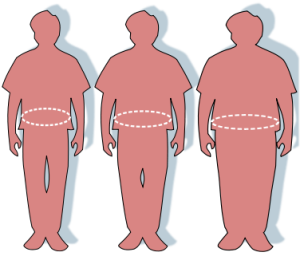
How a word is defined has a tremendous effect on how it is used. Traditionally, obesity has been defined as an abnormal amount of body fat that is at least 20 percent more than an individual’s ideal body weight. That is an extremely basic definition and only defines what obesity looks like, not what it actually is.  A more useful definition of obesity is: a multifactorial disease state that leads to an excessive accumulation of body fat that exceeds 20 percent or more the ideal body weight of a patient.  This places emphasis on the causes, not the outcome


Causes of Obesity

Obesity is actually a very complex and not-fully-understood condition that leads to being harmfully overweight.  At its most basic analysis, weight gain is derived from eating more calories than needed. The excess is converted to fats and stored in adipose cells for later use. If this process continues without the stored fats being used, then a disproportionately large amount of adipose tissue is created and obesity occurs. Why the process continues into the unhealthy state of obesity is not fully understood and is probably caused by many factors.

Contributing Factors That Lead to Obesity

Research is being conducted on the causes of obesity, and new discoveries contribute to our understanding of the disease. While not all causes have been discovered, it is clear is that each obesity sufferer has his or her own collection of contributing factors that lead to being extremely overweight. Some factors are under the patient’s control  and some are not.

Voluntary Factorsart 6

Diet- There is a lot of controversy about which collection of foods leads to obesity. High-calorie and high-fat-content foods certainly are more easily converted into excess fat than others. But a diet is more than a collection of foods. Diets are formed under the influence of many factors.  To truly understand a person’s diet, you must look at the whole person and what motivates them and not just the foods they select. For example, the selection of a deep fried food diet may be the result of cultural influences rather than personal choice based on taste preferences. In such cases, culture is a contributing factor that causes obesity.

Sedentary Lifestyle- An obesity-causing lifestyle is characterized by a lot of  sitting and little physical exercise. It is a self-perpetuating contributing factor. The more obese the patient is, the more sedentary they become.

Societal Influences- A person’s motivations cannot be understood without looking at the society they live in. We live in a consumer society in which appetites and desires are boisterously catered to.  It is so easy to be swept along the societal current of labor- saving convenience and instant gratification. Appetite control is certainly a lot harder today than in times past.

Food as Therapy-  Food or the pleasure we get from food can become a maladaptive response to the stresses of life. We eat because we’re bored, or we eat to unwind from a stressful day. In such cases, the lack of coping skills is the cause of obesity more than the food itself.

Involuntary Factors

Genetics- The genes a person is born with play a significant role in fat accumulation. Genetics influences how appetite is regulated, controls the metabolic rate, sets the homeostasis mechanisms (keeping things the same even if it’s unhealthily heavy), and produces the control mechanisms of the body, including fat-controlling hormones.

Mental Health- Motivations, appetites, and even metabolic rates can be influenced by mental health issues. For example, depression leads to obesity in several ways.

Medication Side Effects- Drugs can have unintended effects on the body and its metabolism that can contribute to weight gain. Medications that can lead to weight gain include older antidepressants, antihistamines, beta blockers, antipsychotics, corticosteroids, certain diabetic drugs, anti-seizure and mood stabilizers. 

Other Diseases- Diseases can alter the way our bodies operate, and some effects can lead to excessive weight gain. Hypothyroidism, polycystic ovarian disorder, Cushing’s disease, and uncontrolled diabetes are among the conditions that can contribute to obesity.

Getting a Clearer Picture of Obesity

It should be clear by now that obesity is much more complex than just choosing to eat more than you burn off.  It usually is a collection of contributing factors, many of which are lifelong concerns.  Just choosing to lose weight is too simplistic an approach and will ultimately fail to be sustainable in the long run. Those who think that the problem will go away once the weight is gone are doomed to disappointment and failure. The weight will come back because the underlying causes where never addressed. Obesity must be viewed as a disease state that has to be actively managed throughout a patient’s life.

Therapy

There is no cure for obesity, but it can be effectively managed. It will be a lifelong struggle but well worth the effort. When managed properly, the emphasis will change from how a person looks to how healthy a person is. Those who can effectively manage their weight will significantly reduce the incidence and severity of type 2 diabetes, heart disease, sleep apnea, arthritis, high blood pressure, gallstones, hernias, heartburn/GERD, skin disorders, and infections. In addition, mental health problems can be reduced with the removal of the negative self-image that obesity inspires.  Ultimately it is more productive and sustainable to concentrate on  how healthy a patient is not just how thin they are. 

How Much Weight to Lose

Getting down to a patient’s ideal weight maybe the ultimate goal, but significant health benefits can be achieved with even a modest weight reduction. Weight loss research has determined that fat associated with vital organs is among the first fat stores to be reduced. So in weight reduction, any weight loss can be beneficial. Recent studies have shown that with a 5-10 percent drop in weight can result in a drop in blood pressure, lower levels of cholesterol, reduction of heart disease, and increased control of blood glucose. 

Where to Start

Assessment of the attitudes, motivations, and understanding of all those involved is the first step in therapy. Any successful weight loss plan starts with forming the proper attitude for the patient and caregivers and disregarding false or misleading perceptions. 

Properly educating the patient and caregiver is the next step. More effective weight loss efforts stem from a more complete understanding of what obesity really is.  A better understanding can lead to more realistic expectations and more achievable goal setting. This resetting of understanding should also extend to the social network and family members of the patient.

In short, obesity management starts with asking questions and searching the answers for misconceptions. Then follow up by educating to change false perceptions.  This process should continue throughout the course of therapy.


How Fast Should the Weight Come Off

Rapid weight loss goals are counterproductive. The emphasis of such efforts is on how the patient looks not how healthy they are becoming. They may be very encouraging to the patient but harder to achieve and maintain thus ultimately discouraging to the patient.  The National Heart Lung and Blood Institute has recommended the following:


For Adults

•Try to lose 5 to 10 percent of your current weight over six months. This will lower your risk for coronary heart disease (CHD) and other conditions.

•The best way to lose weight is slowly. A weight loss of one to two pounds a week is doable, safe, and will help you keep off the weight. It also will give you the time to make new, healthy lifestyle changes.

•If you've lost 10 percent of your body weight, have kept it off for six months, and are still overweight or obese, you may want to consider further weight loss.

For Children and Teens

•If your child is overweight or at risk for overweight or obesity, the goal is to maintain his or her current weight and to focus on eating healthy and being physically active. This should be part of a family effort to make lifestyle changes.

•If your child is overweight or obese and has a health condition related to overweight or obesity, your doctor may refer you to a pediatric obesity treatment center. ”

Source -http://www.nhlbi.nih.gov/health/health-topics/topics/obe/treatment


How to Lose the Weight

There are thousands of ways to lose weight but most are ineffective at managing obesity.  The hallmark of truly effective obesity management addresses the multifactorial causes of the disease.

Effective weight control involves combining multiple techniques and strategies, including dietary management, sustainable physical activity, behavior modification, medications, and even surgery.  

Diet

Long-term dietary management is an essential part of obesity therapy. How and why foods are selected, what foods are consumed, and how much is eaten are all important elements of therapy.  The long-term goal is to change food from a cause of obesity to a therapeutic tool for greater health. Diets that decrease caloric intake must be able to maintain nutritional values or healthy outcomes will be compromised.

Experts suggest that a negative 500- 1,000 calories difference between what is consumed and what is burned off through activity will help achieve the goal of one-two pounds of weight loss per week.

Physical Activity

Physical activity is an important part of obesity therapy and essential to achieving and maintaining good health.  Increased exercise will at first increase weight reduction but taper off as therapy progresses. Despite this, many of the health benefits achieved by increased activity will not reduce over time. There will always be therapeutic benefits to increased activity even if no weight is lost. Increased activity is good for the heart,  increases bone mass, maintains balance and coordination, and reduces stress.  Increased physical activity can be achieved in everyday routines such as walking instead of riding, doing chores manually instead of using a machine, and gardening. Exercise routines are effective therapy but should be done with caution so they don’t cause harm.

A basic guideline for how much activity to achieve is 30-45 minutes of moderate exercise a day, three to five times a week.  Long-term fat stores are most effectively reduced with more than 45 minutes of exercise.

Behavior Modification

Behavior modification is more than just making correct choices. It is rearranging mental thought patterns. Regardless of the cause, obesity sufferers have developed a set mental pattern that helps them cope with the condition. Many of these mental actions actually reinforce obesity-causing choices and thus become maladaptive. If the mental actions occur enough, they become automatic responses without much conscious thought.  In certain mental actions involving pleasure, the brain can actually “rewire” its self to always try to get pleasure even if the result is harmful. This is one way to describe addiction: a maladaptive automatic response to pleasure that overrides the choices we make.

Fortunately the mind is changeable. We can consciously override automatic mental responses. If continued long enough, we can “rewire” the brain for the better, but it takes time for that to happen. It takes more than making a few right choices for a couple of months. It is a long-term process that must be maintained in order to rearrange our automatic responses. Changing a single thought is immediate; changing an automatic response (habits) may take years.

The process of behavioral modification can be supported and reinforced by caregivers. Maladaptive responses can be explained for what they really are. Good choices can be praised so that patients can have pleasurable reinforcing responses.  Proper education can replace incorrect conceptions, and successful weight loss methodology can replace ineffective short-term thinking. Most importantly, caregivers can help change patients’ thoughts of trying to “cure” obesity by becoming thin to managing obesity to become healthy.   

Medications

There is no pill for the ill of obesity. Medications can only modify certain contributing factors that lead to being overweight.  They can only be used to support overall weight loss efforts.

Medications approved for weight loss:

Name

Action

sibutramine (Meridia)

Helps increased satiation (i.e., fullness)

No longer marketed in the US because of the possibility of dangerous side effects

orlistat

(Xenical)—(Alli)

Blocks the absorption of about one-third of the fat contained in a meal.

lorcaserin

(Belviq)

Promotes satiation

Liraglutide (Saxenda)

Involved in appetite regulation

phentermine and extended-release topiramate

(Qsymia).

Suppresses hunger and controls appetite

phentermine

(Fastin)

Suppresses hunger


Medications not approved for but can contribute to weight loss:

Drug Class

Action

Thyroid replacements

Increases the metabolic rate of the body

Diabetes Medications

Corrects improper glucose and fat metabolisms caused by diabetes that contribute to weight gain

Anti-depressants

Controls the overeating and sedentary lifestyle caused by depression

Anti-seizure

Weight loss side effect


Herbals and OTC Remedies

There are numerous products claiming to have weight loss properties, but few have been scientifically verified. They may have some use as a support therapy as prescribed by a doctor. For example, caffeine increases the metabolism in the short term.

Surgery

Bariatric surgery is a type of surgical procedure that alters the upper digestive tract.  It differs from liposuction surgery, which removes fat through suction (not commonly used as weight loss therapy) in that it alters the way food is digested.

Weight loss is achieved by severely restricting how much food can be taken in and or rerouting ingested food so that a portion of it is not digested and taken into the blood stream. 

Two common examples of bariatric surgery are:

1. Gastroplasty-  A constricting band is placed around the stomach or staples are inserted to create a small pouch at the top of the stomach. This severely restricts the amount of food that can be taken in at any one time.

2. Gastric Bypass- A small pouch is created at the top of the stomach by stapling off the rest of the stomach. The pouch is then connected to the far end of the small intestine thus bypassing the areas where most of the food calories are absorbed.

Bariatric surgery is very successful at rapid weight loss and retaining reduced weight over the long run. It is not a cure for obesity, though, and comes with many restricting aspects. It requires a surgical specialist, is expensive, requires lifelong follow ups with the doctor, alters the way a persons can interact with others through food (example holiday dinners and other social events), and comes with many serious surgical and post-surgical risks. It is usually reserved for the extremely obese (100 pounds over ideal weight) who have attempted and failed at other therapies.

Image result for caregiver skills


Caregiver Factors in Obesity Management

Obesity is a serious impediment to the health and contentment of the residents under your care.  Diet and lifestyle choices have a major influence on the disease and are a major focus of therapy. There is no other member of the health care team that has greater day-to- day influence on these factors than adult foster care providers. With the right perspective about obesity as a disease, practicing good everyday caregiving techniques and maintaining contact with the rest of the care team, obesity can be successfully managed.

Proper Perspectives

Caregivers must remember that:

  • Obesity is more than just eating more calories than you burn off. It is a disease state that has several causal factors that have to be managed.
  • Being healthy is the goal of therapy. Being thinner is just a means to an end.
  • Management of obesity is more a matter of skill power than a matter of will power.
  • Some people will never be thin, but everyone can work toward being healthy.

Important Weight Loss Topics

Homeostasis- The body is built to remain the same. There are powerful metabolic mechanisms that work hard to keep the body within a range of behaviors that it normally operates under. When the resident loses weight, the body will fight to retain the weight. Some of these metabolic mechanisms are long-term processes that are designed to regain weight once it’s lost. Studies have shown that obese  patients commonly regain weight that is lost.  

Caregivers can help fight these trends by adopting a lifelong attitude of disease management, focusing on health outcomes and continuing efforts even if some weight is regained.

Maladaptive Behaviors- Each obese patient has developed behaviors that enable them to cope with the stress of being overweight. Many are maladaptive responses that only perpetuate the condition. In addition, it is a normal human trait to resist change.  Short-term choices to change activities can easily be overridden by long-term habits and entrenched attitudes.

Caregivers can help by educating the patient to replace misconceptions with accurate facts. Help the resident find new ways of coping that do not involve eating more food. Ensure doctor’s orders are followed even when the resident resists. Support the development of new habits and generously apply large amounts of patience.

Childhood Obesity- The goal of obesity management changes in adolescents and children from weight loss to reduced rate of weight gain. In essence, you’re attempting to help the child to grow out of being overweight.

Caregivers can use the same overall weight loss therapies used in adult therapies. 

  • Modify the diet
  • Increase appropriate physical activity and exercise
  • Reduce time spent in sedentary activities 
  • Modify maladaptive behavior

At the present, orlistat is the only medication approved for weight loss in adolescents.


Helpful Caregiver Tips

  • Goals- Goal setting is a more powerful motivator when done as collaboration among the patient, caregivers, and doctor. Set small realistic goals. Setting goals in other areas besides pounds lost can help change the resident’s focus to healthy outcomes.
  • Record keeping- Keep records of weight loss activities. It is a good way to maintain focus on weight loss efforts. It helps coordinate and communicate with the doctor and helpful in achieving goals.
  • Daily check-off lists help establish habits and sustain motivation.
  • Therapy diaries can also be a useful tool. 
  • Water before meals- Drinking water before a meal helps weight loss efforts. In a recent study, 48 adults aged 55-75 years with a BMI of 25-40 kg/m2, those who consumed 500 mL of water prior to each daily meal had a 44 percent greater decline in weight over 12 weeks
  • Plate size- Changing plate sizes from 12 inch to 8 inch makes smaller food portions look larger.
  • Include family and friends in weight loss efforts. Communication is  key to gaining their support.
  • Pedometers are a great way to measure increased daily activity and fight the sedentary lifestyle that contributes to weight gain.
  • Find rewards other than food. Find out what other things the patient enjoys and substitute them into the patient’s coping strategies. Examples are movies, music, and massages.  
  • Diabetic diets are also useful for weight loss.
  • Changing surroundings helps break habits. Look for things that contribute to eating or sedentary lifestyles and change them.


Weight Loss Terminology

  • Adipose tissue — Fat tissue.
  • Bariatrics — The branch of medicine that deals with the prevention and treatment of obesity and related disorders.MP900174966
  • BMI — Body Mass Index. A measurement derived by dividing a person’s height in meters by weight in kilograms. A key measurement in obesity therapy.
  • Lipids — Another term for fats, specifically an organic molecule made up of fatty acids.
  • Hyperlipidemia — Abnormally high levels of lipids in blood plasma.
  • Hyperplastic obesity — Excessive weight gain in childhood, characterized by the creation of new fat cells.
  • Hypertrophic obesity — Excessive weight gain in adulthood, characterized by expansion of already-existing fat cells.
  • Ideal weight — Weight corresponding to the lowest death rate for individuals of a specific height, gender, and age.


Conclusion

Weight loss in extremely overweight individuals has change dramatically with the realization that obesity is a multifactorial disease state and not just a consequence of a lifestyle choice. With this realization the goals of therapy have changed from a onetime event of dieting to become thin to a more comprehensive long-term management of contributing factors that have led to obesity. Being healthy has replaced being thin as the ultimate goal of therapy.   

Caregivers can contribute significantly to therapeutic efforts by helping their residents maintain a proper diet, reduce sedentary lifestyle choices, and support weight loss efforts through a variety of ways. Changing the emphasis of therapy from being thin to being healthy will greatly contribute to the wellbeing of those suffering from obesity. 


As always, good luck in your caregiving efforts

Mark Parkinson RPh


References:

1. Osama Hamdy, MD, PhD.  Obesity Treatment & Management. Medscape.co. Aug. 25 2015 http://emedicine.medscape.com/article/123702-treatment

2. Robert Kushner, MD, Jennifer Costello, PharmD, BCPS, BC-ADM. The Pharmacist's Role in Obesity Management: A Long-term Commitment to Improving Overall Health. PowerPak CE Oct. 10 2013

http://www.powerpak.com/course/content/109485

3. Obesity Treatment. University of California San Francisco Medical Center http://www.ucsfhealth.org/conditions/obesity/treatment.html          

4. How Are Overweight and Obesity Treated? National Heart Blood and Lung Institute. National Institutes of Health. Jul 12 2013 http://www.nhlbi.nih.gov/health/health-topics/topics/obe/treatment 

5. Gary D Foster,  Angela P Makris, Brooke A Bailer.  Behavioral treatment of obesity. American Journal of Clinical Nutrition, American Society for Clinical Nutrition. Am J Clin Nutr July 2005  vol. 82  no. 1  230S-235S

http://ajcn.nutrition.org/content/82/1/230S.full

6. Anthony N. Fabricatore, PhD,  Thomas A. Wadden, PhD. Treatment of Obesity: An Overview. Clinical Diabetes, American Diabetes Association, Clinical Diabetes April 2003   vol. 21  no. 2  67-72

http://clinical.diabetesjournals.org/content/21/2/67.full         

7. The Practical Guide Identification, Evaluation, and Treatment of Overweight and Obesity in Adults. National Heart Blood and Lung Institute. National Institutes of Health. NIH Publication Number 00-4084 October 2000

https://www.nhlbi.nih.gov/files/docs/guidelines/prctgd_c.pdf

8. Obesity. Medical Dictionary The Free Dictionary by Farlex http://medical-dictionary.thefreedictionary.com/obesity       

9. Leigh Anderson, PharmD.,Can Prescription Drugs Cause Weight Gain? Drugs.com Feb. 24 2014 http://www.drugs.com/article/weight-gain.html


@@@@@@@@@@Exam Portal


click on [Take Exam]

Purchase membership here to unlock Exam Portal.

*Important*

Registration and login is required to place your name on your CE Certificates and access your certificate history.

Username MUST be how you want your name on your CE Certificate.


Guest:  Purchase Exam

Guest Exam


Caregiver Refresher-

Fire Prevention and Emergency Planning

Test Questions

Instructions: Select answer by clicking on circle to the left of selection. (the circle will turn a color when clicked) When done click on [show results] and follow further directions.

PayPal also takes credit cards. (on the PayPal page click on [Don't have an account])

You need to be registered and logged in to take this quiz. Log in or Register

Caregiver Refresher

Fire Prevention and Emergency Planning

Test Questions

Instructions: Select answer by clicking on circle to the left of selection. (the circle will turn a color when clicked) When done click on [show results] and follow further directions.

You need to be registered and logged in to take this quiz. Log in or Register


 Back to CE Articles

Caregiver Refresher- Fire Prevention and Emergency Planning

Author: Mark Parkinson RPh:  President  AFC CE

Credit Hours 1.5 - Approximate time required: 90 min. 

Educational Goal:

To supplement caregivers knowledge of disaster planning and home fire control.

Educational Objectives:

      1. Discuss what is involved in disaster planning

      2. List what is in a 72 hour kit

      3. Enumerate the three aspects of disaster planning

      4. Teach about the attributes of a house fire.

       5. Tell about how to prevent house fires

Procedure:           

1. Read the course materials.  2. Click on exam portal [Take Exam].  3. If you have not done so yet fill in Register form (username must be the name you want on your CE certificate).  4. Log in  5. Take exam.  6. Click on [Show Results] when done and follow the instructions that appear.  7. A score of 70% or better is considered passing and a Certificate of Completion will be generated for your records. 

Disclaimer                                                                                                                    

The information presented in this activity is not meant to serve as a guideline for care home management. All procedures and planning discussed or suggested in this article should be only used by care providers after consultant with local emergency preparation officials. Some conditions and possible contraindications may be of concern. All applicable manufacturers’ product information should be reviewed before use. The author and publisher of this continuing education program have made all reasonable efforts to ensure that all information contained herein is accurate in accordance with the latest available scientific knowledge at the time of acceptance for publication.


Caregiver Refresher- Fire Prevention and Emergency Planning


     Each year in the U.S., more than 2,500 people die and 12,600 are injured in home fires, with direct property loss due to home fires estimated at $7.3 billion annually. Add to that floods, hurricanes, ice storms, power outages, etc. Stay in business long enough, and you’ll most likely have to face an emergency or two. Unlike disaster planning for other businesses (where they just send every home), care homes have to remain open and functioning.   To do that, you must develop a plan and practice it to be able to stay open in times of crisis.

This CE is not intended to replace, supplant or supersede existing AFC basic training. It is written as a continuing education article, intended to add to and refresh in the mind of the reader about certain aspects of the topics written about.   This article does not cover all required information as set forth by the State of Oregon.  If you need the complete basic training on these subjects please refer to the approved sources.


Emergency Planning


      sleep4 By law, planning and preventing disasters are part of the care home’s operation.  Most care homes don’t have the resources that big skilled-nursing facilities have, so you have to use your head instead of your wallet to be prepared. With a little bit of thinking and some ingenuity, you can have a pretty good plan in place for common disasters that could come your way.

     Let’s see, what does a care home absolutely need to stay open for a couple of days during a catastrophe. Well, there’s the house. Let’s start with that.  There are times when you might have to evacuate the entire home. Flood, fire next door, train full of toxic gas wrecks nearby, these and other events could force you to empty the home.

     Do you have enough vehicles, wheel chairs, and the like to get everyone out of the home?  Where would you go? Local church, other care home, hospital, or local school would do. Do you need to ask permission to show up there or are you just going to pop up and say, Hi? You might want to get that permission in writing. People get kind of forgetful during a crisis. When you’re on your way out the door, you might also want to bring a cell phone with a charger and the list of emergency phone numbers for your clients. Don’t forget to call the case workers and all the others. You know, all the people who are going to want to know where your clients are once you leave.

     You are also going to want to bring your 72-hour emergency kit. “What is that,” you say? I’m glad you asked. A 72-hour kit is all the essential supplies you need to survive for, you guessed it, 72 hours. You can buy one for each of your residents or make them yourself. Back packs or an action packer plastic tote are usually the container of choice. You should include the following:

  • Water, enough for drinking and sanitation, if required
  • Food, non-perishable
  • Battery-powered or hand-crank radio
  • Flashlight and extra batteries
  • First aid kit
  • Whistle
  • Dust masks
  • Duct tape, an unusual item but very handy in a pinch
  • Moist towelettes, garbage bags
  • Can opener
  • Local maps
  • Sanitary products,  diapers and the like
  • Sleeping bags or blankets
  • Camp stove, fuel, matches
  • Mess kit for every person, or paper plates, cup, utensils, etc.
  • Paper, pen, and entertainment items (optional but very handy)
  • Medications
  • Copy of patient records

     I have listed several items that can be stored but will expire over time. I would suggest a yearly inspection of the kits. Pay attention to the water, food, and first aid supplies. You’ll want to air out the sleeping bags every couple of years too.  If you buy a 72-hour kit, you are still going to have to inspect it for outdates and usability.  The kit is not going to be much use if don’t know what’s in it and how to use it. They are not made for care homes, so you’ll still have to consider things like adult diapers, medicine, and patient records.

     OK, what else does your care home need to plan for in order to operate in an emergency? Power, or more specifically the lack thereof. In operating my adult foster care homes I have had to go without electricity a couple of times. When the power goes out, you are going to have to compensate for the lack of it in:

  • Cooking. Hot meals are still needed, even more so with the power out. Fortunately, they are easily prepared with the right camp stove or propane grill. A couple of things to consider though. 1. Fumes - set up your emergency kitchen on the porch or in the garage. 2. The menu will have to be adjusted for camp conditions. 3. Hot water for cleanup. Chose items for the menu that won’t require a lot of washing afterward. Paper plates will come in handy.
  • Heat. Cold houses are problematic but doable. Fireplaces are an obvious resource, but for those who don’t have one, you can buy either a portable propane camp heater or gas-powered generator. Of course, they are no good if you don’t have the fuel stored, including wood for the fireplace. Extreme caution should be used when using any portable heater. Never leave them employee unattended. Your residents can’t take care of themselves let alone a heater that could burn down your home. I recommend an oil-filled space heater. They are much safer to operate, though they do require electricity.
  • Beds. There was a time before electricity that there was no heat at night. Everyone just dressed appropriately and piled on more blankets. Proper planning includes sleeping with the appropriate bed clothes and having extra blankets available.
  • Lights. Candles are fun, but open flames are really not appropriate for care homes. Propane lights can give nasty burns and burn a house down, too, if not used correctly. They should be for trained employee use only.
  • Entertainment. I recommend age-appropriate puzzles. They don’t require supervision to operate. Of course, there is the old standby of roasting hot dogs, marshmallows, and the ever-so-delightful s’mores.  
  • Batteries will be very important. Make sure you always have more than enough. Battery testers are not very expensive, and they can take some of the guess work out of emergency preparation.
  • Phones. Cordless phones die when the power goes down, but land lines have their own power supply. If you have chosen to go completely cordless, it would be wise to store an old land line phone in your e-supplies.

     If handled correctly, loss of power can actually be a fun experience for your residents, like camping without having to go to the campground. Proper planning and the right employee attitudes will be needed to make it fun.

     We have talked about what is needed to keep a care home open and functioning during an emergency. The most important resource, by far, is a well-trained, prepared, and flexible staff. Emergencies come in all shapes and sizes. There is no way to plan for all contingencies. What is actually needed is someone to take charge, who can think on their feet and cooperate with others in what needs to be done.  

     In general, emergency preparedness has three aspects, recognizing, general plan of reacting, reacting to what happens.

  • Recognizing. Man-made and natural disasters occur all the time. On average, the federal government declares disasters 70 times a year. What might happen in your area? Do you live in a flood plain, by a train track, airport landing flyway, nuclear reactor, chemical plant, tidal wave zone? How does your community make disaster alerts? Is there a TV or radio broadcast? Is there a public alarm? Is there an emergency text to all cell phones? Call your local fire department or police and find out. 
  • Plan of action. Each emergency is unique. A lot of what you do will have to be decided on the fly. If you have a well-thought-out plan, the chaos can be held to a minimum. I recommend writing a decision flow chart.  You can use this one or make your own.

What is the emergency? ____________________________

Do you need to call 911?


Is it safer to stay or go?

Flee

Stay indoors

How long will you be gone?


Short time  ___         Overnight ___  

Where are you going?

_______________________________

Do you need to call anyone?

Case workers, family, emergency responders, extra employees


Who is to call? _______________


What resources do you need?

Flee                                                                                   Stay

Cell phone and charger                     ___

Patient records and MARs               ___

Medications                                          ___

Medical equipment /supplies          ___

72-hour kit                                            ___

Bedding                       Yes  ___    No ___

Kitchen equipment  Yes  ___    No ___

Camping equipment Yes  ___   No ___

Breathing filter masks             ___

Camp stove/ grill                     ___

Portable heaters                      ___

Fireplace fire                             ___

Extra blankets                           ___

Portable lights                         ___

Entertainment items               ___

Land Line/ cell phone            ___


Who is in charge of what?

Flee                                                                                   Stay

Residents preparations


Resident transportation


Equipment/ supplies


Communications/ Calling


First Aid


Residents preparations


Resident transportation


Equipment/ supplies


Communications/ Calling


First Aid


  • Reacting to what happens. Having an action plan makes the job easier, but you still have to take care of the unexpected details.  Be flexible, and have a clear understanding of who is in charge of what. Things to consider:
  1. Does the family of the resident want to pick them up? If so, do you wait for them or have them meet you somewhere?
  2. What needs to be turned off - water main, gas main, electric breakers at the fuse box?
  3. Do you need to document what’s going on? Need pictures?
  4. During disasters, texts and data services are sometimes easier to use to get a message through.
  5. Is there someone with special dietary needs?
  6. In air-born disasters like gas or chemical leaks, the public is often told to stay indoors. If such is the case, close all windows, doors vents, and chimney dampers. Have the particle masks from the emergency supplies handy if needed.
  7.  Gases can kill. They can also turn your home into a potential bomb. If you smell gas, assume it might explode and get out, and then call the utility company. Having your gas appliances and furnace inspected regularly greatly reduces the chance of an accident.
  8. If you live in a flood plain, evacuation routes to high ground should be included in your emergency plan. Pay attention to the route chosen, planning a route through an area that would flood first wouldn’t be very useful.
  9. After a flood, it would be safest to: 1. Throw away food, have your household water tested before use. Make sure electrical appliances are completely dry before turning them on, or even plugging them in.
  10. In the event of an earthquake, get you and your people to the floor and protect yourself from falling objects. Get under a table, desk, or bench. Even a blanket will protect you from glass shards. It is recommended that you stay away from windows and outside doors. Basements are a preferred safe place but next to a wall will do in a pinch.  If you get separated from your residents, shout to them instructions so they know what to do.
  11. After the tremors are over, assume there is a gas leak until proven otherwise. Assume any loose wires are active. Pooled water around plugged-in appliances should also be assumed to have live current going through them. Check areas where flammable liquids were stored for spills and leaks.
  12. If you use a portable generator, keep it outside to avoid problems with exhaust fumes. Never plug it into the house. It could cause a fire or electrocute someone working on the house to restore power.

     Care homes should periodically review their disaster plans and customize them to meet the needs of their ever-changing resident population. Practice the plan so that everyone will know what to do when things go crazy and thinking clearly will become harder to do.

Fire!

flame

     Beside power outages, fire is probably the most prevalent and, by far, the most serious threat that care homes face on an ongoing basis. I have saved writing about fire until last and will cover it in the most detail.

     I don’t think it would be too far off the mark to say that today we live in the equivalent of a box of matches. One spark at the wrong place and the whole house will go up in flames literally in a matter of minutes. According to a study done by a fire safety department, a 12x16 foot room could experience a flashover fire in as little as 166 seconds.

     Fortunately, most care home owners and employees have never experienced a really bad house fire. Usually the only thing care providers know of fire is what they see on TV and movies, not exactly the best sources of information. The basic characteristics of fire are quite different than what is generally presented in the mass media.

Learning about fire       

     Fire is fast. A fire starts small but, within 30 second it can grow till it’s out of control. Our reaction time needs to be even faster than the fire. Ironically, the very items that fill our houses with comfort and convenience are extremely flammable, reducing the amount of time we get to react. If you factor in the time it takes to discover the fire, your effective reaction time is reduced to where literally every second counts. What it boils down to is -do what is absolutely necessary to save lives, leaving possessions and property behind. Even time for heroism is only within the first few seconds after the fire discovery.

Fire is HOT-

     Heat rises. During a fire, the temperature at floor level could be 100 degrees while at eye level it measures 600 degrees. Heat kills, hot air can scorch lungs, melt clothes and jewelry to your skin. A fire can get so hot that everything in a room ignites all at once in what’s called a flashover. 

Fire is dark-

     Home fires produce thick black smoke, filling rooms with darkness. If you or your residents wake up to a room full of smoke, things will get confusing and disoriented very quickly. It would not be uncommon to lose your way in a house you have lived in for years.

Fire is deadly in more ways than one-

     Smoke and toxic fumes kill more people than flames do. Fire uses up oxygen as it grows. Breathing fumes and the lack of oxygen can make you disoriented. There might not be time for you to even find out what’s going on. The odorless, colorless fumes of a fire can lull you into a deep sleep before the flames even reach your door. You or your residents might not wake up in time to escape.

     Only when you know and respect the true nature of fire can you begin to react in survivable ways.

Reacting to fires

  • Before the fire- Practicing fire drills is a real pain. There is always griping and complaining, and I’m not even talking about the residents yet. Seriously though, fire drill practice is the only way to ensure fast enough reaction times. You can’t count on everyone reacting rationally during a fire. Bottom line- fire drills saves lives, repetition saves lives. Complaining and avoiding fire drills in contrast- kills. 
  • During the fire- When the smoke alarms go off, get yourself and your residents out fast - seconds count. As you move around the house, shout instructions to the residents. The lower to the ground you are, the safer from smoke and gases you are. Chose smoke-free exit routes. Before opening a door, feel if it is hot. Open it slowly and be ready to shut it again quickly if needed. If you can’t get yourself or one of your residents out, call 911 and tell them the location of the trapped persons. If you get trapped, cover the vents and door cracks with tape or cloth to prevent smoke from entering. If your clothes catch on fire, stop, drop, and roll. If you can’t, smother the flames with a blanket. Use cool water to treat any burns immediately. Once out of the house, use extreme caution in going back in. Most often you can be more help if you spend your efforts calling 911, organizing the survivors, coordinating neighborhood help, and being an information source to the firefighters when they arrive. The more information they have when they arrive, the faster they can work at rescuing anyone trapped inside.
  • After the fire- You survived. Now it’s time to recover from the disaster. Work with the case workers to take care of your residents. Contact emergency relief agencies like the Red Cross or your church. Contact the fire department to see if your house is structurally safe to enter. Get the insurance agency to the house. Write down and follow their instructions. Conduct an inventory of damaged goods before you throw anything away. Make it a priority to locate important paperwork.  Get a copy of the police report. It will come in handy when you try to get medications replaced without having to pay for them. Get the pharmacy to do all the leg work. The same goes for any medical devices and their suppliers. Save any receipts related to the fire or recovery. They may be needed by your insurance company or to account for the loss on your income tax. Notify your mortgage company of the fire. Get in touch with your accountant or the IRS to see about the benefits available to people recovering from a fire.   


Fire prevention tips for care homes

     Reaction times must be very fast, even at night. You only get fast if you practice. Take practice fire drills seriously. It’s part of being professional. 

     At this point, your home has already been inspected and approved by the fire marshal, so let’s cover the items that happen after inspections.

  • Electrical fires- Do not cover electrical wiring with rugs. Heat can build up and start a fire. I know cords are trip hazards, so you’ll have to rearrange things to prevent both tripping and fire hazards. Buy surge protector power strip plug ins instead of using multiple extension cords.
  • Bedroom fires- Six-hundred people lost their lives in bedroom fires in one year. There are no caregiver eyes in the bedrooms, so no open flames. No smoking, no incense, no candles, no tea lights, and no matches or lighters. By definition, your residents can’t take care of themselves so don’t assume they can handle flames.
  •  Chemical/ stored flammables fires- Don’t be lazy or stupid. Why would anyone store bulk flammables or rags by flames or a heat source? Convenience is not a good reason. Having your house burn down is very inconvenient.
  • Alternative space heaters- They need their space. Keep anything combustible at least three feet away. I would think very long and hard before I would allow one in a bedroom.
  • Batteries- They are a power source and can be actually used as a fire starter if used with steel wool.  Pay attention to how they are stored. Don’t just throw them in a box with a lot of other metal objects

     In 2010, the American Red Cross responded to more than 63,000 home fires - that’s one every eight minutes! But unlike other disasters, most home fires can be prevented. Be professional and pay attention to the details, then fires won’t start in the first place. Practice, practice, practice – just do it. It saves lives.

Conclusion

chronic pain 1


     In-home care providers accept an unusually large amount of responsibility for the welfare of those in their charge. By letting them come to your home, you are promising to take care of them no matter what happens. They are counting on you to save them in case of emergency. Be prepared, be knowledgeable, be professional, and be responsible.

As always, good luck in your caregiving efforts.

Mark Parkinson RPh


References:

1. Home Fire Safety Checklist. National Fire Protection Association. http://www.hackettstown.net/doc/home-fire-safety-checklist.pdf

2. Home Fires. Ready.Go, FEMA,  4/3/13. http://www.ready.gov/fires

3. Home Fire Prevention and Safety Tips. US Fire administartion FEMA,7/19/13. http://www.usfa.fema.gov/citizens/home_fire_prev/

4. Myths vs Facts. Fire Sprinkler Initiative, National Fire Protection Association 

http://www.firesprinklerinitiative.org/resources/fact-sheets/myths-vs-facts.aspx         

5. Planning and responding to workplace emergencies, OSHA Fact Sheet. Occupation Safetyand Health Administration, OSHA.

https://www.osha.gov/OshDoc/data_General_Facts/factsheet-workplaceevergencies.pdf

6. Emergency Preparedness. National Safety Counsel http://www.nsc.org/safety_home/EmergencyPreparedness/Pages/EmergencyPreparedness.aspx

7. Emergency Preparedness, Merit Badge pamphlet. Boy Scouts of America http://www.troop1043.org/books/eprep.pdf

8. Plan & Prepare. American Red Cross http://www.redcross.org/prepare/location/home-family/tech-ready

9. Home Fire Prevention. Liberty Mutual Insurance http://www.libertymutual.com/home-insurance/tools-resources/home-fire-prevention

10. Ki Mae Heussner,. With Modern Furnishing, Homes Burn Faster. ABC News, Good Morning America.2/2/11

http://abcnews.go.com/Technology/modern-furnishing-homes-burn-faster/story?id=12806666


Caregiver Refresher- Fire Prevention and Emergency PlanningExam Portal

click on [Take Exam]

Purchase membership here to unlock Exam Portal.

*Important*

Registration and login is required to place your name on your CE Certificates and access your certificate history.

Username MUST be how you want your name on your CE Certificate.


Guest:  Purchase Exam
 Page 19 of 24  « First  ... « 17  18  19  20  21 » ...  Last »